


x





























从与原作比例一致的预设尺寸中进行选择。

您可以输入自定义尺寸,以适配特定的画框或空间。如果您选择的尺寸与原图比例不符,我们将对作品进行裁剪,或通过镜像填充/纯色填充边缘的方式来扩展图像。在开始制作之前,我们会向您发送一份数字效果图供您确认。
请注意,屏幕上的预览并不能反映实际的裁剪或扩展效果。只有效果图才能准确展示最终的构图。
虽然我们提供定制尺寸,但为了保持原图比例,我们建议您从预设列表中选择尺寸。

William R. Clapp
复制品尺寸
Martin Johnson Heade’s “William R. Clapp” isn't merely a painting; it’s an immersion into the hushed serenity of the New England salt marsh. Completed in 1854, this work exemplifies the Luminist movement—a distinctly American style that prioritized capturing fleeting moments of light and atmosphere over dramatic landscapes or historical narratives. Heade, deeply influenced by the Romantic tradition yet forging his own unique path, eschewed grand vistas for a carefully constructed scene of subtle beauty, inviting the viewer into a contemplative space.
The subject itself—William R. Clapp, a prominent figure in Dorchester, Massachusetts—is presented with an almost understated dignity. He stands as a solitary presence within this vast, watery expanse, his posture suggesting quiet contemplation and connection to the natural world. The painting’s power lies not in dramatic action or heroic figures, but in the delicate interplay of light and shadow, the muted colors, and the palpable sense of stillness. Heade masterfully utilizes a limited palette—primarily browns, grays, and subtle greens—to create an atmosphere of profound tranquility.
Heade’s technique is characterized by its meticulous observation and delicate execution. He employed a layering approach, building up the image through thin washes of paint, allowing the underlying layers to subtly influence the final result. This creates a remarkable sense of depth and luminosity—the marsh seems to shimmer with reflected light. Notice how he captures the way sunlight filters through the mist, creating an ethereal glow that softens the edges of everything within the scene. The brushstrokes are almost invisible, contributing to the painting’s smooth, atmospheric quality.
“William R. Clapp” resonates with a deeper symbolic meaning, reflecting the Luminist movement's core values. The marsh itself represents a space of quiet contemplation—a refuge from the bustle of urban life. The solitary figure embodies an appreciation for the individual’s connection to nature and the simple pleasures of existence. Furthermore, Heade’s focus on the American landscape aligns with the burgeoning sense of national identity in mid-19th century America, where artists sought to capture the unique beauty of their homeland.
The inclusion of Clapp, a local man, adds another layer of meaning. It suggests that even within this vast and seemingly impersonal landscape, there is a connection between humanity and nature—a reminder of our place within the larger ecosystem. The painting can be interpreted as an ode to the dignity of rural life and the enduring spirit of New England.
Reproductions of “William R. Clapp” offer a remarkable opportunity to experience the beauty and tranquility of Heade’s vision in your own home. While no reproduction can fully replicate the original's subtle nuances, high-quality prints capture the essence of this iconic work. Consider framing it within a simple, natural wood frame to complement its understated elegance. This painting is more than just decoration; it’s an invitation to slow down, appreciate the beauty of the natural world, and find solace in the quiet majesty of marsh light.


1819 - 1904 , 美利坚合众国

Explore the captivating world of Martin Johnson Heade, a master of Luminism. Discover his serene landscapes, vibrant still lifes & profound connection to American identity. Learn about his techniques and legacy.
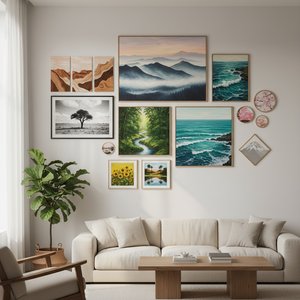
Journey through 10 breathtaking landscape paintings by Monet, Van Gogh & more! Explore iconic artworks, artistic techniques & find inspiration for your home decor. Museum-quality reproductions at Most-Famous-Paintings.com. Discover all masterpieces on Most-Famous-Paintings.com

探索浪漫主义风景画的巅峰!本文精选十部经典名作,带您领略莫奈、库尔贝等大师的艺术魅力。感受色彩与光影的诗意,重温自然风光的震撼。Most-Famous-Paintings.com为您提供博物馆级别的艺术复制品和个性化家居装饰方案。尽在Most-Famous-Paintings.com!

Explore the rich history of landscape art with Most-Famous-Paintings. Discover renowned artists, movements like Impressionism & Romanticism, and expert guidance for collecting timeless pieces. Find your perfect serene escape today!
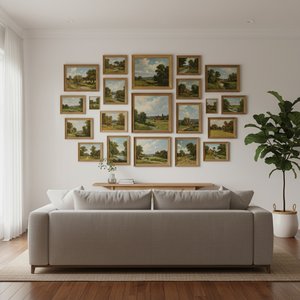
探索康斯塔布尔的25幅传世杰作!沉浸于英国田园风光,感受浪漫主义绘画大师的光影与色彩。高清油画复制、艺术品购买尽在Most-Famous-Paintings.com,为您的家居增添经典之美。立即在线探索完整系列!


第一时间获取最新的艺术新闻、独家优惠及装饰灵感。
向我们介绍您的项目需求,我们的艺术专家将为您提供 3 个个性化的艺术品推荐。
由我们的专家为您精选 3 款心仪之作 —— 完全免费!


 效果预览
效果预览
 购买手绘画作
 分享
分享 分享
分享
 详情
详情

 下载
下载
 相似作品
相似作品 X射线
X射线 幻灯片播放
幻灯片播放


 展开详情
展开详情









 玻璃选项仅适用于110厘米以下的尺寸。


