x
 Oil On PanelLate Medieval
 Late Medieval
 197.0 x 165.0 cm
 克莱斯勒艺术博物馆
购买高分辨率增强版数字图像,其品质远超在线预览。
每一份文件都由我们的内部专家使用先进工具与专业的后期润色技术精心打造。我们确保每一张图像都具备卓越的清晰度、精准的色彩还原度以及细腻的细节表现。
最终文件将在 72 小时内通过电子邮件交付,并针对专业、编辑及印刷用途进行了优化。其品质与顶级设计工作室、出版社和画廊所信赖的标准完全一致。
选择 Most-Famous-Paintings.com,您获得的不仅仅是一张图像——您收到的是经过专业级增强、精雕细琢的数字艺术作品,并享有满意保证。以下是您的订单中自动包含的所有内容:

您的高分辨率数字图像文件将在下单后 72 小时内通过电子邮件发送给您 —— 即可立即使用。

您的艺术品经过专业优化,结合先进的 AI 技术与人工修饰,确保呈现极致的细节、清晰度与色彩准确度。

不小心删除了文件或找不到了?没关系——我们将随时为您免费重发。

即刻拥有您的艺术作品,无需支付任何关税、税费或运费——数字下载始终免税。

我们通过专业工具与色彩管理技术,确保您的数字图像尽可能真实地还原原作色彩。

如果您对所购买的数字图像不满意,我们将在60天内为您进行修改或退还100%的款项——无需任何解释。

如果不满意?在收到数字文件后的60天内,我们为您提供全额退款——无需任何理由。

购买 3 张图片可享 10% 折扣 - 购买 5 张可享 15% 折扣 - 购买 10+ 张可享 20% 折扣。非常适合创意项目、画廊和机构使用。
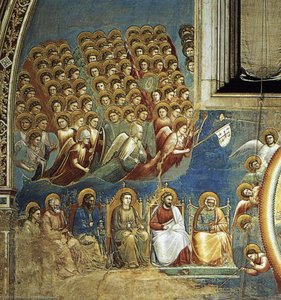
To stand before a depiction of The Last Judgment is not merely to observe art; it is to confront the very precipice of human existence. Marx Reichlich’s masterful rendering captures that profound spiritual shock and awe, transporting the viewer into the ultimate reckoning—the final moment when history pauses for divine arbitration. This scene, steeped in the fervent piety of the late medieval period, speaks directly to the deepest anxieties and highest hopes of its time. It is a visual sermon rendered with breathtaking intensity, inviting contemplation on virtue, sin, and the eternal scales of accountability.
The composition itself is a whirlwind of spiritual drama. At the epicenter, Christ descends upon his rainbow throne, an imposing figure calling all souls—the living and the departed—to account. Yet, amidst this divine authority, the human element remains vividly portrayed. We see the outstretched arms of Christ, surrounded by angels whose gestures are pure adoration, contrasting sharply with the chaos unfolding below. The scene is richly populated; some figures kneel in desperate prayer, while others engage in activities that speak to a life lived—a life now subject to ultimate review. This intricate detail, characteristic of Reichlich’s hand, ensures that no corner of this monumental narrative escapes the viewer's gaze.
The symbolism woven throughout this work is both stark and deeply comforting in its warning. The dichotomy presented by the painting is absolute: ascend into the radiant light of heaven on Christ’s right, or face the consuming fire of hell on his left. This binary choice forms the core message—a potent reminder that earthly piety must translate into genuine virtue. Noticeable among the damned is a bishop whose crown has been violently snatched away by a demon; this small detail carries immense weight, suggesting that outward symbols of status or perceived holiness mean nothing against the judgment of the soul. The artwork thus functions as both a terrifying warning and an ultimate guide toward true spiritual integrity.
While the original medium speaks to the painstaking artistry of tempera on wood, the reproduction captures the spirit of this demanding technique. Reichlich’s style is renowned for its meticulous attention to detail and its ability to imbue every figure with palpable emotional weight. The composition flows with a masterful understanding of dramatic tension, guiding the eye from the celestial majesty down into the earthly struggle. Owning a high-quality reproduction allows one to bring this monumental narrative drama into a contemporary space, serving not just as decoration, but as a profound focal point for meditation and reflection.

Born in Bolzano, Italy, around 1460 – a time of burgeoning artistic innovation and religious fervor – Marx Reichlich emerged as a significant figure in late medieval Austrian painting. While details of his early life remain somewhat obscured by the passage of centuries, what is known paints a picture of a prolific artist deeply rooted in the traditions of tempera on wood, a technique favored for its durability and suitability for depicting intricate religious scenes.
Reichlich’s career unfolded primarily during the 15th and 16th centuries. He quickly established himself as a sought-after painter, commissioned by churches and religious institutions across Austria to create works that visually communicated profound spiritual narratives. His style is characterized by an impressive attention to detail, a masterful understanding of composition, and a remarkable ability to imbue his subjects with emotional weight – particularly evident in his depictions of biblical events and moral allegories.
Reichlich's artistic approach was firmly grounded in the conventions of his time. He predominantly employed tempera on wood, a medium that allowed for rich colors, subtle gradations, and a level of detail difficult to achieve with oil paints. This choice reflects not only technical proficiency but also a deep respect for established artistic practices. His works often feature vibrant hues—deep blues, reds, and golds—contrasting sharply against the darker tones of the wood panel, creating a dramatic visual impact.
A key element of Reichlich’s style is his ability to capture the essence of religious scenes with remarkable immediacy. He wasn't merely illustrating biblical stories; he was striving to evoke spiritual experience. His figures are often rendered with a sense of dynamism and movement, conveying not just what happened but *how* it felt – the awe of witnessing divine judgment, the reverence of an adoration scene, or the solemnity of a funeral procession.
Among Reichlich’s most celebrated works are “The Last Judgement” (circa 1490) and “Adoration of the Magi.” The "Last Judgement," a monumental tempera panel measuring approximately 197 x 165 cm, is arguably his masterpiece. It's a visceral depiction of Christ’s judgment, brimming with symbolic imagery—cherubs, souls ascending to heaven, and demons dragging sinners into hell – designed to inspire both fear and hope. The painting powerfully conveys the medieval Christian understanding of divine justice and the consequences of earthly actions.
“Adoration of the Magi,” another significant work, showcases Reichlich’s skill in portraying a complex narrative with clarity and grace. The scene depicts the visit of the three wise men to the infant Jesus, rendered with meticulous detail and imbued with a sense of wonder and reverence. These works, along with others housed within the Kunsthistorisches Museum in Vienna, offer invaluable insights into the religious art of the period.
Marx Reichlich’s legacy extends beyond his individual creations. He represents a pivotal link between the late Gothic and early Renaissance artistic traditions in Austria. His works demonstrate a synthesis of established stylistic elements with emerging humanist concerns, reflecting the evolving cultural landscape of the 15th and 16th centuries.
His paintings continue to be studied and admired for their technical brilliance, emotional depth, and profound spiritual resonance. The Kunsthistorisches Museum in Vienna holds an extensive collection of Reichlich’s works, ensuring that his art remains accessible to scholars and the public alike. Furthermore, his influence can be seen in subsequent generations of Austrian artists who followed in his footsteps.

1460 - 1520 , Italy


第一时间获取最新的艺术新闻、独家优惠及装饰灵感。
向我们介绍您的项目需求,我们的艺术专家将为您提供 3 个个性化的艺术品推荐。
由我们的专家为您精选 3 款心仪之作 —— 完全免费!


 效果预览
效果预览
 购买印刷品
购买印刷品 分享
分享 分享
分享
 详情
详情

 下载
下载
 相似作品
相似作品 X射线
X射线 幻灯片播放
幻灯片播放 展开详情
展开详情