x





























从与原作比例一致的预设尺寸中进行选择。

您可以输入自定义尺寸,以适配特定的画框或空间。如果所选尺寸与原图比例不符,我们将通过裁剪作品或添加手绘元素来扩展画面。数字样稿将在制作开始前发送给您确认。
请注意,屏幕预览无法准确反映实际的裁剪或扩展效果,只有样稿才能真实呈现最终的构图。
虽然我们提供定制尺寸服务,但为了保留原作比例,建议您从预设列表中选择尺寸。

Un caprice de Vénus
复制品尺寸
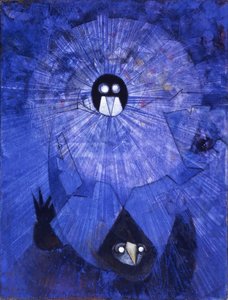
To stand before a work by Max Ernst is not merely to observe paint on canvas; it is to step through a portal into the subconscious mind itself. This piece, Un caprice de Vénus, embodies the very spirit of Surrealism—a realm where logic dissolves and dreams take tangible, vibrant form. Ernst, whose life was an intellectual odyssey spanning philosophy, literature, and the deepest recesses of human psychology, channeled this boundless internal landscape onto the canvas. His work invites us to question the boundaries between reality and hallucination, offering a visual feast that is both disorienting and profoundly beautiful.
The composition itself is a masterful exercise in controlled chaos. What immediately draws the eye is the vibrant interplay of geometric shapes and organic forms. At the heart of the piece resides a luminous yellow circle, acting as an undeniable focal point—a sunburst of pure energy against the surrounding dynamism. This central glow is echoed by numerous other orbs and scattered spheres that seem to float in an indeterminate space. These circular elements are not decorative; they feel elemental, suggesting celestial bodies, captured moments of light, or perhaps even the pulsating rhythm of a dream narrative unfolding. The technique employed suggests a rich layering of paint, allowing colors to interact and bleed into one another, giving the surface a palpable depth that rewards prolonged contemplation.
Ernst’s oeuvre is steeped in symbolism, drawing heavily from mythology and psychoanalysis. The title itself, referencing Venus, immediately imbues the piece with associations of beauty, desire, and cyclical rebirth. The scattered spheres can be interpreted as everything from planetary orbits to the perfect, elusive moments of epiphany. They suggest a cosmic dance—a caprice, or whim—of divine or subconscious energy at play. For the collector or designer, this piece offers more than mere decoration; it is an intellectual conversation starter, hinting at hidden depths and the beautiful irrationality that fuels human creativity.
For those considering bringing this vibrant vision into a living space, know that its energy is transformative. It possesses a restless vitality that can invigorate a room, acting as a counterpoint to overly minimalist or staid decor. The rich palette and complex structure mean it functions beautifully as a singular statement piece, commanding attention while inviting intimacy through its layers of meaning. Owning a reproduction of Un caprice de Vénus is acquiring a fragment of artistic rebellion—a tangible echo of the great 20th-century quest to map the uncharted territories of the human soul.
马克斯·恩斯特(Max Ernst,1891-1976),原名马克西米利安·玛丽亚·恩斯特,出生于德国布吕尔,是20世纪最具影响力的艺术家之一。他的艺术生涯并非循规蹈矩的学院派训练,而是一场自我驱动的探索之旅,这场旅程深受哲学思辨、心理学兴趣以及对社会规范深刻幻灭的影响。恩斯特的父亲是一位聋哑学校教师兼业余画家,他不仅在恩斯特心中播下了对世界的敏感性,也激发了他对既定权威的反叛精神。这种早期的二元性成为了他艺术愿景中一个重要的特征。
恩斯特在波鸿大学的学习经历——涵盖哲学、艺术史、文学、心理学和精神病学——并非简单的消遣,而是深刻地影响了他的后世作品。他不仅仅关心“如何”绘画,更关切“为何”。这种求知欲促使他在1912年的科隆森德布尔德展览上接触到毕加索、梵高和高更的开创性作品,这一刻彻底改变了他艺术的轨迹。现代主义的种子已经播下。
一战的爆发成为了恩斯特生命中的一个转折点。他在东西线战场上的经历令他深受震动,对既定秩序产生了深刻的怀疑,并渴望新的表达方式。这种幻灭感在蓬勃发展的达达运动中找到了肥沃的土壤。1918年返回科隆后,恩斯特欣然投入其中。与终生的好友兼合作者汉斯·阿普一起,他成为了科隆达达主义团体的核心人物,拒绝了传统的艺术惯例,拥抱荒诞、偶然性和非理性。
然而,达达主义仅仅是他前进的垫脚石。在20世纪20年代初,恩斯特移居巴黎,并加入了以安德烈·布雷东为首的超现实主义阵营。这标志着他转向探索梦境领域、潜意识和非理性。受到西格蒙德·弗洛伊德的精神分析理论的影响,恩斯特试图通过他的艺术揭示人类经验中隐藏的深度。他并非致力于描绘事物如其所见,而是致力于揭示塑造它的潜在心理力量。
恩斯特的艺术创新不仅体现在主题上,还在于他对技巧的不懈探索。他不仅仅采用现有的方法——他发明了新的方法。也许他最著名的贡献是摩擦画(frottage),这是一种将铅笔或炭笔擦过纹理表面的过程,以创造出意想不到的和富有表现力的图像。这种技术诞生于观察木纹时的无聊时刻,使恩斯特能够进入潜意识并产生违背有意识控制的形式。紧密相关的还有刮擦画(grattage),即在画布上刮擦油漆,从而揭示其下方的图层。
他还巧妙地运用拼贴(collage),将不同的元素——杂志图像、科学插图、照片——组装成超现实的构图,挑战了对表征的传统观念。这些技术并非简单的风格选择;它们是探索潜意识和扰乱传统艺术边界的组成部分。他的画作经常出现重复的象征性意象:鸟类(尤其是他的化身洛普洛普)、荒凉的景观、令人不安的并置以及一种普遍的神秘感。
二战爆发迫使恩斯特逃离欧洲,在美利坚合众国找到了庇护。他在流亡期间继续绘画和尝试新的技术,最终在战争结束后返回法国,并在那里保持活跃直到1976年4月1日在巴黎去世。他为后世艺术家带来的影响是不可估量的。
恩斯特对达达主义和超现实主义的贡献非同寻常。他挑战了艺术规范,深入探索了潜意识的深渊,并发明了继续激励着当代艺术家的创新技术。他不仅仅是一位画家;他是一位探险家、一位挑衅者和一位远见卓识的艺术家,拓展了艺术本身的边界。他的作品仍然是对想象力的证明,对非理性的吸引力以及理解人类心灵复杂性的持久追求。

1891 - 1976 , 德国

Explore the profound impact of Minimalism and Geometric Abstraction. From Mondrian to Malevich, discover how stripping art to its essential forms revolutionized modern aesthetics through our expert-led historical guide.


第一时间获取最新的艺术新闻、独家优惠及装饰灵感。
向我们介绍您的项目需求,我们的艺术专家将为您提供 3 个个性化的艺术品推荐。
由我们的专家为您精选 3 款心仪之作 —— 完全免费!


 效果预览
效果预览
 购买印刷品
购买印刷品 分享
分享 分享
分享
 详情
详情

 下载
下载
 相似作品
相似作品 X射线
X射线 幻灯片播放
幻灯片播放
 展开详情
展开详情









 玻璃选项仅适用于110厘米以下的尺寸。