x
 Oil On PanelEarly Netherlandish Painting
 1480
1480 81.0 x 55.0 cm
 柏林州立博物馆




























从与原作比例一致的预设尺寸中进行选择。

您可以输入自定义尺寸,以适配特定的画框或空间。如果您选择的尺寸与原图比例不符,我们将对作品进行裁剪,或通过镜像填充/纯色填充边缘的方式来扩展图像。在开始制作之前,我们会向您发送一份数字效果图供您确认。
请注意,屏幕上的预览并不能反映实际的裁剪或扩展效果。只有效果图才能准确展示最终的构图。
虽然我们提供定制尺寸,但为了保持原图比例,我们建议您从预设列表中选择尺寸。

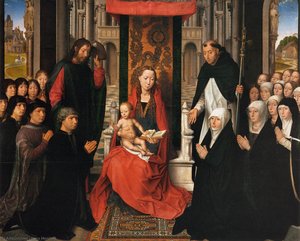
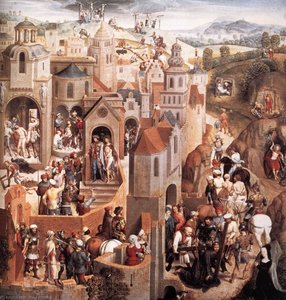
Virgin and Child Enthroned
复制品尺寸
Within the hushed galleries of museums and private collections resides a captivating miniature masterpiece – Hans Memling's “Virgin and Child Enthroned,” painted circa 1480. More than just a devotional image, this small panel offers a profound glimpse into the artist’s meticulous technique, his deep understanding of symbolism, and the prevailing spiritual atmosphere of late medieval Bruges. It’s a scene brimming with quiet dignity, maternal tenderness, and an almost palpable sense of divine grace – a testament to Memling's mastery of creating intimate moments within a grander narrative.
Memling, born in Seligenstadt, Germany, but ultimately establishing his career in the vibrant artistic hub of Bruges, was a pivotal figure in the Early Netherlandish movement. Trained initially under Rogier van der Weyden, he quickly developed a distinctive style characterized by remarkable detail, luminous colors, and an almost sculptural quality to his figures. Unlike some of his contemporaries who favored dramatic narratives, Memling excelled at capturing serene, contemplative scenes – often centered around the Virgin Mary and Christ Child. This particular piece exemplifies that strength, offering a rare moment of quiet intimacy within the context of Christian iconography.
The composition itself is deceptively simple yet profoundly rich in symbolic meaning. The Virgin Mary sits upon an elaborate throne, not of stone or metal, but rendered as a richly carved wooden structure – a deliberate choice that elevates the scene to a realm beyond the earthly. This throne, adorned with intricate tracery and volute armrests, isn’t merely a prop; it represents the divine authority and majesty of the Mother of God. Below her, Christ Child is enthroned upon her lap, his youthful face radiating an almost otherworldly serenity. The positioning—Mary's hand gently supporting the infant—immediately evokes the image of nursing, symbolizing not only physical nourishment but also spiritual sustenance.
Notice the careful attention to detail throughout the painting. The drapery is rendered with exquisite precision, each fold and pleat meticulously depicted. The light, emanating from an unseen source, bathes the scene in a soft, diffused glow, creating a sense of warmth and tranquility. Even the background landscape—a stylized depiction of a wooded area—contributes to the overall atmosphere of serenity and contemplation. The inclusion of a small cloth of honor, reminiscent of those used for royalty, further emphasizes Mary’s elevated status as Queen of Heaven.
Adding another layer of complexity is the presence of an unidentified donor kneeling before the Virgin and Child. His posture suggests reverence and devotion, while his inclusion subtly references the tradition of commissioning religious art – a common practice among wealthy patrons of the time. Interestingly, the figure’s features are somewhat obscured, perhaps reflecting the artist's desire to focus attention on the central figures or hinting at the anonymity often associated with donors in such works. The presence of Saint George, depicted as a limp and lifeless dragon, reinforces the narrative of Christ’s sacrifice and redemption.
The painting is deeply rooted in the iconography of the era. Elements like the iris (representing sorrow) and the columbine (symbolizing mourning) subtly underscore the themes of loss and suffering associated with the life of Christ. Furthermore, it echoes earlier works by Rogier van der Weyden, particularly his “Virgin and Child Enthroned,” demonstrating Memling’s apprenticeship and his evolution as an artist. The influence of Robert Campin is also evident in the depiction of Mary's pose and the architectural setting.
“Virgin and Child Enthroned” isn’t simply a beautiful painting; it’s a window into the soul of a Renaissance artist grappling with profound spiritual questions. Memling’s meticulous technique, combined with his deep understanding of symbolism and iconography, creates an image that is both visually stunning and emotionally resonant. It's a testament to the enduring power of art to evoke contemplation, inspire devotion, and connect us to the timeless themes of faith, love, and sacrifice. Reproductions capture only a fraction of the original’s impact, but this small panel remains a powerful reminder of the beauty and serenity that can be found within the heart of medieval art.

德国

Explore the profound history and technical brilliance of oil on panel painting. From Renaissance masters to modern techniques, discover why this rigid support offers unparalleled precision and permanence for fine art lovers and collectors.


第一时间获取最新的艺术新闻、独家优惠及装饰灵感。
向我们介绍您的项目需求,我们的艺术专家将为您提供 3 个个性化的艺术品推荐。
由我们的专家为您精选 3 款心仪之作 —— 完全免费!


 效果预览
效果预览
 购买手绘画作
 分享
分享 分享
分享
 详情
详情

 下载
下载
 相似作品
相似作品 X射线
X射线 幻灯片播放
幻灯片播放 展开详情
展开详情









 玻璃选项仅适用于110厘米以下的尺寸。