x





























从与原作比例一致的预设尺寸中进行选择。

您可以输入自定义尺寸,以适配特定的画框或空间。如果您选择的尺寸与原图比例不符,我们将对作品进行裁剪,或通过镜像填充/纯色填充边缘的方式来扩展图像。在开始制作之前,我们会向您发送一份数字效果图供您确认。
请注意,屏幕上的预览并不能反映实际的裁剪或扩展效果。只有效果图才能准确展示最终的构图。
虽然我们提供定制尺寸,但为了保持原图比例,我们建议您从预设列表中选择尺寸。

mad boy
复制品尺寸
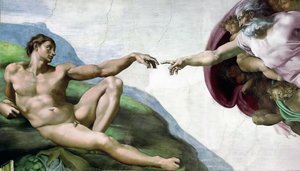
Michelangelo Buonarroti's "Mad Boy," a digital reproduction of his seminal fresco, "The Cumaean Sibyl," is more than just a beautiful image; it’s a window into the heart of the High Renaissance. Painted between 1506 and 1508 for the Villa Farnesina in Rome, this work embodies the era's profound fascination with classical antiquity, humanism, and the divine—all filtered through Michelangelo’s unparalleled artistic vision. The original fresco depicts the Sibyl, a legendary prophetess of ancient Greece, seated at a table, intently studying a scroll while a young boy gazes upon her with rapt attention. This seemingly simple composition is laden with symbolic weight, inviting viewers to contemplate themes of prophecy, knowledge, and the relationship between generations.
Technically, Michelangelo masterfully employed *sfumato*, a technique perfected during his apprenticeship under Leonardo da Vinci, to create an atmosphere of hazy beauty and depth. The figures are rendered with meticulous anatomical detail—a hallmark of Renaissance art—yet softened by subtle gradations of tone that lend them an almost ethereal quality. Note the careful modeling of the Sibyl’s drapery, which cascades around her in graceful folds, and the boy's youthful energy captured through dynamic posture and expressive eyes. The dark background serves to heighten the contrast between the figures and draw the viewer’s attention to their interaction, creating a powerful focal point within the composition.
The central figure, the Cumaean Sibyl, is not merely a portrait but a potent symbol. In Greek mythology, Sibylla was a priestess who possessed the gift of prophecy and delivered oracles to kings and heroes. Michelangelo’s depiction aligns with this traditional understanding, portraying her as an embodiment of divine inspiration—a conduit between the earthly realm and the realms of knowledge and foresight. Her contemplative gaze suggests a deep connection to something beyond the visible world, while her gesture of examining the scroll represents the pursuit of wisdom and understanding.
The young boy beside her is equally significant. He embodies innocence, curiosity, and the potential for future generations to inherit the wisdom of the past. His attentive posture reflects his eagerness to learn from the Sibyl’s experience, highlighting the cyclical nature of knowledge—the passing down of traditions and insights across time. The juxtaposition of these two figures creates a dynamic tension between the established wisdom of the elder and the burgeoning intellect of youth.
“The Cumaean Sibyl” emerged during a period of immense artistic and intellectual ferment in Renaissance Italy. Michelangelo, deeply influenced by the rediscovery of classical Greek and Roman art and philosophy, sought to synthesize these influences with his own unique vision. The fresco’s composition echoes elements found in ancient Roman wall paintings, particularly those depicting mythological scenes. However, Michelangelo elevates these motifs through a heightened sense of realism, psychological depth, and dramatic intensity.
Furthermore, the work reflects the humanist ideals that characterized the Renaissance—a renewed emphasis on human potential, reason, and individual achievement. The Sibyl’s intellectual pursuits align with the humanist belief in the importance of education and the pursuit of knowledge. The fresco served as a commission for a wealthy Roman banker, Francesco del Monte, who was himself an ardent patron of the arts and a scholar deeply interested in classical learning.
Despite its historical context, “Mad Boy” continues to resonate with viewers today. The image evokes a sense of quiet contemplation, inviting us to reflect on our own pursuit of knowledge and understanding. The Sibyl’s intense gaze captures the timeless quality of wisdom—a desire for insight that transcends generations. The boy's curiosity mirrors our own innate thirst for discovery, reminding us of the importance of nurturing young minds and fostering a love of learning.
As a digital reproduction, this artwork retains a subtle, almost dreamlike quality, reminiscent of the original fresco’s *sfumato* technique. It offers a compelling opportunity to experience Michelangelo's genius in a new light—a testament to his enduring legacy as one of history’s greatest artists.

1475 - 1564 , 意大利
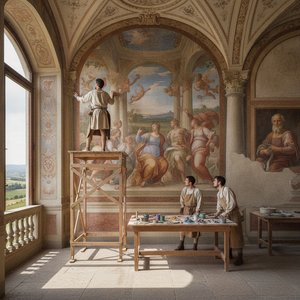
Explore the profound history and technical mastery of fresco painting. From ancient Roman murals to Michelangelo's Sistine Chapel, discover the enduring chemistry and artistry behind this timeless wall painting technique used by the world's greatest masters.

Explore the profound genius of the Renaissance Trinity. Delve into a comparative study of Leonardo da Vinci, Michelangelo, and Raphael, uncovering their unique contributions to art history, technique, and the enduring legacy of Italian High Renaissance mastery.


第一时间获取最新的艺术新闻、独家优惠及装饰灵感。
向我们介绍您的项目需求,我们的艺术专家将为您提供 3 个个性化的艺术品推荐。
由我们的专家为您精选 3 款心仪之作 —— 完全免费!


 效果预览
效果预览
 购买手绘画作
 分享
分享 分享
分享
 详情
详情

 下载
下载
 相似作品
相似作品 X射线
X射线 幻灯片播放
幻灯片播放

 展开详情
展开详情









 玻璃选项仅适用于110厘米以下的尺寸。