x
从与原作比例一致的预设尺寸中进行选择。

您可以输入自定义尺寸,以适配特定的画框或空间。如果您选择的尺寸与原图比例不符,我们将对作品进行裁剪,或通过镜像填充/纯色填充边缘的方式来扩展图像。在开始制作之前,我们会向您发送一份数字效果图供您确认。
请注意,屏幕上的预览并不能反映实际的裁剪或扩展效果。只有效果图才能准确展示最终的构图。
虽然我们提供定制尺寸,但为了保持原图比例,我们建议您从预设列表中选择尺寸。

The ceiling
复制品尺寸
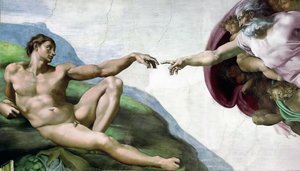
To stand beneath the expanse of the Sistine Chapel ceiling is to witness one of the most profound dialogues between humanity and the divine ever captured in pigment. Painted between 1508 and 1512, this monumental fresco cycle by Michelangelo Buonarroti transcends the boundaries of mere decoration, serving instead as a breathtaking window into the High Renaissance soul. The ceiling does not merely cover a space; it expands it, creating an illusionistic heavens that seems to pulse with the very breath of creation. Through his masterful application of the fresco technique—applying pigments directly onto wet plaster—Michelangelo achieved a luminosity and anatomical precision that remains unparalleled. Each panel, meticulously planned within a complex pyramidal composition, guides the viewer's eye through a labyrinth of biblical narratives, from the primordial dawn of Genesis to the weight of human mortality.
The artistry is anchored in an extraordinary command of the human form. Michelangelo, a sculptor by nature, approached the ceiling with a painter’s tools but a carver’s eye, imbuing every figure with a muscularity and sculptural presence that feels almost tactile. The scenes from the Book of Genesis, most notably the iconic Creation of Adam, are not merely illustrations of scripture; they are studies in tension, grace, and the spark of life. As one wanders through the intricate arrangement of prophets, sibyls, and ancestral figures, there is a palpable sense of movement and drama. The artist’s ability to balance the immense physical scale of the work with the delicate emotional nuances of his subjects—capturing both the vulnerability of Adam and the terrifying grandeur of divine power—creates an immersive experience that continues to captivate the modern imagination.
Commissioned by Pope Julius II during a period of intense papal ambition, the ceiling was conceived as a symbol of spiritual renewal and the enduring authority of the Church. This was an era defined by Humanism, where the rediscovery of classical antiquity met a fervent religious devotion. Michelangelo’s work sits at the heart of this intersection, blending the idealized beauty of Greek and Roman sculpture with the profound theological mysteries of Christianity. The ceiling serves as a complex symbolic map; the central panels recount the history of the world from the moment of creation to the fall of man, while the surrounding architectural frameworks and figures provide a structural and spiritual scaffolding that connects the earthly realm to the celestial.
For the discerning collector or interior designer, a reproduction of this masterpiece offers more than just aesthetic beauty; it brings a sense of historical weight and intellectual depth to any space. The ceiling’s palette, though subject to the ravages of time and subsequent restorations, retains a powerful emotional resonance through its use of light and shadow. To possess an image of this work is to invite a conversation about human potential, the struggle between sin and redemption, and the eternal quest for meaning. It is a piece that demands attention, serving as a focal point that inspires awe and provides a sophisticated layer of storytelling to even the most contemporary of environments.

1475 - 1564 , 意大利
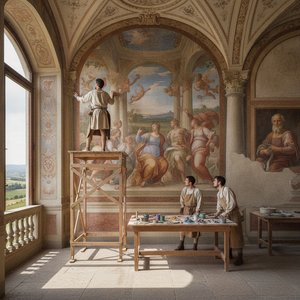
Explore the profound history and technical mastery of fresco painting. From ancient Roman murals to Michelangelo's Sistine Chapel, discover the enduring chemistry and artistry behind this timeless wall painting technique used by the world's greatest masters.


第一时间获取最新的艺术新闻、独家优惠及装饰灵感。
向我们介绍您的项目需求,我们的艺术专家将为您提供 3 个个性化的艺术品推荐。
由我们的专家为您精选 3 款心仪之作 —— 完全免费!


 购买手绘画作
 分享
分享 分享
分享
 详情
详情

 下载
下载
 相似作品
相似作品 幻灯片播放
幻灯片播放


 展开详情
展开详情






































 玻璃选项仅适用于110厘米以下的尺寸。