A Vision of Serenity Amidst Divine Presence: Examining Michelangelo Buonarroti’s Untitled (1015)
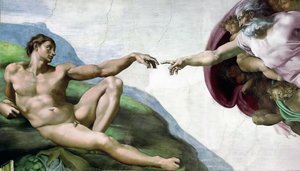
Michelangelo Buonarroti's *Untitled (1015)*, a captivating panel painting housed in the Casa Buonarroti museum in Florence, transcends mere visual representation; it embodies the profound spiritual ideals of the High Renaissance. Created circa 1505-1506 during Michelangelo’s formative years—a period marked by intense artistic experimentation and unwavering devotion to humanist principles—the artwork presents a striking juxtaposition of human vulnerability and celestial grandeur. The scene depicts a solitary male figure seated atop a billowing cloud, draped in simple loincloth attire, gazing downwards with an expression of contemplative introspection. This posture immediately establishes a connection between earthly existence and divine contemplation, mirroring the central themes prevalent throughout Michelangelo’s oeuvre.
- Subject Matter & Composition: The painting's focal point is undeniably the male nude—a deliberate reference to classical sculpture traditions championed by Leonardo da Vinci and Raphael—yet it’s not merely an anatomical study. Instead, he embodies a spiritual archetype, symbolizing humanity striving for enlightenment and transcendence. Surrounding him are figures engaged in dialogue, suggesting a dynamic interplay between earthly concerns and divine revelation.
- Style & Technique: Michelangelo's masterful brushwork demonstrates his command of sfumato—a technique pioneered by Leonardo da Vinci—characterized by subtle gradations of tone that soften contours and create an ethereal atmosphere. The muted palette—primarily shades of grey, beige, and pale blue—further enhances the painting’s serene mood, emphasizing its contemplative quality.
The historical context surrounding *Untitled (1015)* is inextricably linked to Michelangelo's involvement in the patronage of Lorenzo de Medici and his family. During this era, Florence flourished as a cultural epicenter, attracting artists, scholars, and humanist thinkers who sought to revive classical ideals and explore the complexities of human experience. Michelangelo’s artistic endeavors were driven by a fervent belief in the power of art to elevate the soul and illuminate the divine order—a conviction that resonates powerfully within the painting's symbolic language.
- Symbolism: The cloud serves as a potent symbol of heaven, representing spiritual aspiration and detachment from worldly anxieties. The downward gaze of the figure signifies humility and receptiveness to divine guidance. Furthermore, the positioning of the figures—one standing, one interacting—suggests a harmonious balance between earthly engagement and spiritual contemplation.
- Emotional Impact: *Untitled (1015)* evokes feelings of tranquility, introspection, and reverence for beauty. Its understated elegance invites viewers to contemplate profound questions about existence, faith, and the human condition—a testament to Michelangelo’s enduring artistic legacy.
Ultimately, Michelangelo Buonarroti's *Untitled (1015)* stands as a cornerstone of Renaissance art, embodying its humanist spirit and spiritual depth. Its meticulous execution, evocative symbolism, and serene aesthetic continue to inspire admiration and contemplation centuries later—a timeless masterpiece that exemplifies the pinnacle of artistic achievement. A reproduction from Most-Famous-Paintings offers an exceptional opportunity to experience this iconic artwork firsthand, bringing Michelangelo’s vision of serenity into any interior space.