x





























从与原作比例一致的预设尺寸中进行选择。

您可以输入自定义尺寸,以适配特定的画框或空间。如果所选尺寸与原图比例不符,我们将通过裁剪作品或添加手绘元素来扩展画面。数字样稿将在制作开始前发送给您确认。
请注意,屏幕预览无法准确反映实际的裁剪或扩展效果,只有样稿才能真实呈现最终的构图。
虽然我们提供定制尺寸服务,但为了保留原作比例,建议您从预设列表中选择尺寸。

Barrators-Giampolo
复制品尺寸
Gustave Doré’s “Barrators–Giampolo,” a stark and unsettling engraving, pulls the viewer into a maelstrom of suffering and despair. Created during the height of his prolific career in the late 19th century, this work isn't merely an illustration; it is a visceral exploration of human anguish rendered with Doré’s signature dramatic flair. Part of a larger series illustrating Dante Alighieri’s *Divine Comedy*, “Barrators–Giampolo” stands as a powerful testament to the artist’s ability to translate complex literary themes into compelling visual narratives, and offers a window into the anxieties and artistic sensibilities of its time.
Doré's work is deeply rooted in the Romantic movement, an era characterized by a fascination with emotion, individualism, and the sublime—often tinged with darkness. This engraving exemplifies these traits through its depiction of torment within a hellish landscape. The subject matter itself draws directly from Dante’s *Inferno*, specifically portraying barrators – individuals who illegally collect fees or extort money – condemned to eternal punishment. The historical context is crucial; the mid-19th century witnessed significant social upheaval and anxieties surrounding morality, justice, and the consequences of transgression. Doré's illustrations tapped into these prevailing concerns, offering a visual representation of societal fears and spiritual struggles. The choice of Dante’s work as inspiration further elevates the piece, connecting it to centuries of literary tradition exploring themes of sin, redemption, and divine retribution.
The power of “Barrators–Giampolo” lies not only in its subject matter but also in Doré’s masterful technique. As an engraver, he was renowned for his ability to create incredibly detailed and expressive images using a relatively simple medium. The engraving process itself involves meticulously carving lines into a metal plate (typically steel or copper) with specialized tools called burins. Ink is then applied to the plate, wiping away the excess before pressing paper against it, transferring the image. Doré’s skill shines through in the intricate network of lines that define every element of the scene—from the muscular forms of the tormented figures to the jagged rocks and swirling chaos of the background. The use of hatching and cross-hatching creates a remarkable range of tonal values, simulating light and shadow with astonishing depth. The composition is deliberately unbalanced and dynamic; the central figure wielding a spear dominates the scene, surrounded by writhing bodies caught in various states of agony. This asymmetry contributes to the overall feeling of instability and impending doom.
Beyond its literal depiction of Dante’s vision of hell, “Barrators–Giampolo” resonates with deeper symbolic meaning. The barrators themselves represent not just financial corruption but also broader moral failings—a condemnation of greed, injustice, and the abuse of power. The fiery landscape symbolizes the eternal consequences of sin, while the anguished expressions on the figures’ faces convey a profound sense of suffering and despair. Doré doesn't shy away from depicting the brutality of punishment; instead, he confronts the viewer with the raw emotional impact of transgression. The engraving evokes feelings of fear, pity, and perhaps even a sense of unease—a reminder of the fragility of human morality and the potential for darkness within us all. The work’s enduring appeal lies in its ability to tap into universal themes of suffering, justice, and the search for meaning in a world often marked by chaos and uncertainty.


1832 - 1883 , 法国

Explore the power of black, white & gray abstraction in modern interior design. Discover how minimalist art impacts spatial perception & creates sophisticated hotel spaces. Expert insights for designers.

Explore the captivating world of Gustave Doré, master of Romantic realism & iconic illustrator. Discover his dramatic wood engravings, paintings, and sculptures – a legacy shaping art history. Learn more at Most-Famous-Paintings.
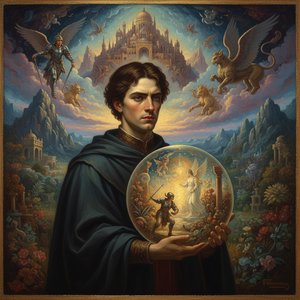
Explore the captivating world of Gustave Moreau, the leading Symbolist painter. Discover his iconic masterpieces, influences, and lasting legacy. Expert analysis for collectors & art enthusiasts.

Journey through art history with our Top 10 Legendary Engravings! Explore masterpieces by Dürer, Rembrandt & Goya. Discover the stories behind these iconic prints and find museum-quality reproductions for your home at Most-Famous-Paintings.com.

Delve into the power of 'Ivory Black' with 10 iconic paintings by masters like Rembrandt & Caravaggio. Explore dramatic chiaroscuro, gothic moods & timeless art history. Find museum-quality reproductions and elevate your home decor at


第一时间获取最新的艺术新闻、独家优惠及装饰灵感。
向我们介绍您的项目需求,我们的艺术专家将为您提供 3 个个性化的艺术品推荐。
由我们的专家为您精选 3 款心仪之作 —— 完全免费!


 效果预览
效果预览
 购买印刷品
购买印刷品 分享
分享 分享
分享
 详情
详情

 下载
下载
 相似作品
相似作品 X射线
X射线 幻灯片播放
幻灯片播放
 展开详情
展开详情









 玻璃选项仅适用于110厘米以下的尺寸。