x





























从与原作比例一致的预设尺寸中进行选择。

您可以输入自定义尺寸,以适配特定的画框或空间。如果您选择的尺寸与原图比例不符,我们将对作品进行裁剪,或通过镜像填充/纯色填充边缘的方式来扩展图像。在开始制作之前,我们会向您发送一份数字效果图供您确认。
请注意,屏幕上的预览并不能反映实际的裁剪或扩展效果。只有效果图才能准确展示最终的构图。
虽然我们提供定制尺寸,但为了保持原图比例,我们建议您从预设列表中选择尺寸。

Temple Gardens
复制品尺寸
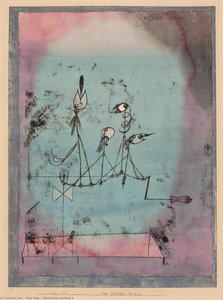
Paul Klee's “Three Panels,” painted circa 1920, isn’t merely a collection of landscapes; it’s a carefully constructed meditation on perception, memory, and the fractured nature of experience. Emerging from the fertile artistic ground of early 20th-century Switzerland – a period marked by both fervent experimentation and a deep connection to folklore – Klee sought to move beyond representational accuracy and delve into the subjective realm of emotion. The painting’s genesis lies in his fascination with musical composition, believing that visual art could mirror the structure and harmony found within sound. This influence is immediately apparent in the deliberate layering of color and form, creating a dynamic tension between the individual panels.
Klee’s technique is characterized by its meticulous layering of thin washes of color, applied with a delicate touch. He employed a method he termed “gouache,” a water-based opaque paint that allowed for subtle gradations and the creation of luminous effects. The brushstrokes are rarely visible, contributing to the painting's ethereal quality. Notice how he builds up color in thin glazes, creating an almost stained-glass effect within each panel. This technique wasn’t simply about visual beauty; it was a deliberate attempt to capture the fleeting nature of light and shadow, mirroring the ephemeral qualities of memory.
Key Techniques:“Three Panels” resonates deeply with the intellectual currents of its time – the rise of Surrealism, the exploration of the unconscious mind, and the growing interest in folklore and mythology. The fragmented composition reflects a broader cultural anxiety about the loss of traditional values and the disorientation brought on by rapid social change. The recurring motifs—the tree, the building, the mountains—are archetypal symbols that tap into universal human experiences. Klee’s use of these elements suggests a desire to find meaning in a world increasingly defined by uncertainty.
Ultimately, “Three Panels” is a profoundly moving work that invites the viewer to engage in a personal dialogue with its imagery. The painting's emotional impact stems from Klee’s masterful manipulation of color and form, creating a sense of both tranquility and unease. It stands as a testament to his innovative approach to art-making and his ability to capture the complexities of human experience. Today, reproductions of “Three Panels” continue to inspire artists and collectors alike, offering a glimpse into the visionary world of one of 20th century’s most influential figures.
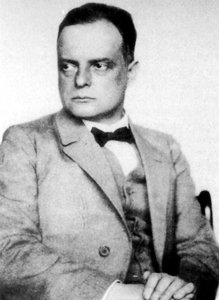
1879 - 1940 , 瑞士
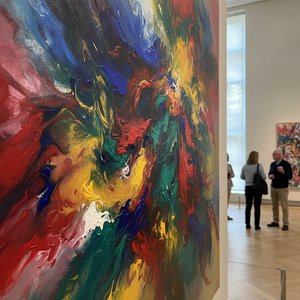
Explore the profound emotional depth of Lyrical Abstraction. Discover how masters like Raymond Parker used color and form to bridge Impressionism and Abstract Expressionism. Learn about this pivotal movement through our expert-led art history guide.

Explore the profound emotional depth of Color Field painting. Discover the history of mid-century abstraction, from Rothko to Newman, and learn how pure color transforms the viewer's experience through our expert art history guide.

Explore the profound history and emotional depth of Abstract Expressionism. From Jackson Pollock to Mark Rothko, master the nuances of the New York School through our expert art history guide. Discover museum-quality hand-painted reproductions for your collection.


第一时间获取最新的艺术新闻、独家优惠及装饰灵感。
向我们介绍您的项目需求,我们的艺术专家将为您提供 3 个个性化的艺术品推荐。
由我们的专家为您精选 3 款心仪之作 —— 完全免费!


 效果预览
效果预览
 购买手绘画作
 分享
分享 分享
分享
 详情
详情

 下载
下载
 相似作品
相似作品 X射线
X射线 幻灯片播放
幻灯片播放

 展开详情
展开详情









 玻璃选项仅适用于110厘米以下的尺寸。