x





























从与原作比例一致的预设尺寸中进行选择。

您可以输入自定义尺寸,以适配特定的画框或空间。如果您选择的尺寸与原图比例不符,我们将对作品进行裁剪,或通过镜像填充/纯色填充边缘的方式来扩展图像。在开始制作之前,我们会向您发送一份数字效果图供您确认。
请注意,屏幕上的预览并不能反映实际的裁剪或扩展效果。只有效果图才能准确展示最终的构图。
虽然我们提供定制尺寸,但为了保持原图比例,我们建议您从预设列表中选择尺寸。

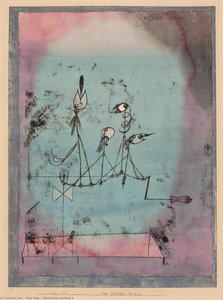
Veil Dance
复制品尺寸
Paul Klee's "Veil Dance," painted in 1920, is not merely a depiction of a horse and rider; it’s an immersion into the artist’s uniquely subjective world – a realm where color sings, form shimmers, and emotion takes flight. This captivating work, rendered with Klee’s signature blend of Expressionism, Cubism, and Surrealism, invites us to contemplate themes of movement, tranquility, and perhaps even a touch of wistful longing. The painting immediately draws the eye with its warm, sunset-drenched backdrop, suggesting an idyllic moment captured at twilight. The horse, rendered in fluid, almost watercolor-like strokes, appears to be in full stride, yet there’s a palpable sense of serenity about it – a quiet grace that belies its apparent motion.
Klee's masterful use of color is central to "Veil Dance." He employs a palette dominated by ochres, browns, and muted reds, creating an atmosphere of earthy warmth. These grounded tones are punctuated by brighter accents – yellows and blues – that seem to emanate from within the forms themselves. Notice how he doesn’t meticulously render detail; instead, he utilizes broken planes and overlapping shapes to suggest volume and movement. The rider, a shadowy figure against the vibrant sky, is almost secondary to the horse, emphasizing the animal's central role in the composition. The inclusion of several other horses in the background adds depth and complexity, hinting at a larger scene unfolding beyond the immediate focus.
Analyzing "Veil Dance" through a symbolic lens reveals layers of meaning. The horse itself has long been associated with freedom, power, and nobility – qualities that resonate strongly within Klee’s work. The “veil” in the title could represent not just a physical covering but also a metaphorical barrier between the viewer and the scene, inviting us to step into Klee's imaginative space. The chair, positioned seemingly at random within the landscape, is particularly intriguing. It might symbolize rest, contemplation, or perhaps even a fleeting moment of human connection amidst the vastness of nature – a subtle reminder of our place within the larger world. The painting’s overall mood evokes a sense of quiet reflection, as if capturing a timeless scene from a dream.
Created in 1920, “Veil Dance” reflects the pivotal period in Paul Klee’s artistic development. Following his time at the Bauhaus school in Germany, where he honed his skills in color theory and design, Klee began to explore increasingly abstract forms while retaining a deep connection to representational imagery. This work exemplifies his experimentation with spontaneous drawing techniques – often employing colored pencils on gouache paper – resulting in works that are both meticulously planned and intuitively generated. The influence of Ferruccio Gard’s dynamic neo-constructivist art, with its emphasis on color and geometry, can be subtly detected here, alongside the more lyrical qualities of Eliseo Mattiacci's monumental metal sculptures. The Zentrum Paul Klee in Bern houses the world’s largest collection of his work, offering a profound opportunity to delve deeper into his artistic evolution.
A hand-painted reproduction of “Veil Dance” captures the essence of Klee’s artistic vision with remarkable fidelity. The vibrant colors and dynamic composition are faithfully reproduced, allowing you to bring this evocative masterpiece into your home or office – a testament to the enduring power of one of 20th century's most beloved artists.
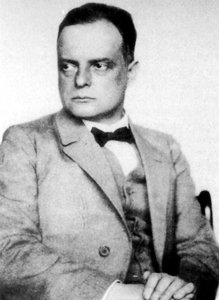
1879 - 1940 , 瑞士

探索保罗·克利25幅杰作,领略抽象艺术的魅力!深入了解克利作品背后的故事、色彩构成与艺术灵感。Most-Famous-Paintings.com提供高清油画复制品,为您的家居装饰增添艺术气息。立即在线探索完整系列!

Explore the captivating world of Paul Klee! Discover his innovative art, Bauhaus influence, & unique symbolic language. Expert analysis & high-quality reproductions at Most-Famous-Paintings.
探索保罗·塞尚25幅经典杰作!深入了解后印象派大师的艺术生涯、独特技法与色彩运用。Most-Famous-Paintings提供高清油画复制品,为您的家居带来博物馆级艺术体验。立即发现更多名画,点亮生活空间!
Explore the captivating history of dance in art! From Degas' ballet scenes to abstract expressions, discover how artists have captured movement and cultural significance across time. Expert insights for collectors & enthusiasts.

Explore the captivating history of horses in painting! Discover Renaissance masterpieces, Baroque grandeur & expert insights for collecting equestrian art. Learn about symbolism, techniques & lasting value with Most-Famous-Paintings.


第一时间获取最新的艺术新闻、独家优惠及装饰灵感。
向我们介绍您的项目需求,我们的艺术专家将为您提供 3 个个性化的艺术品推荐。
由我们的专家为您精选 3 款心仪之作 —— 完全免费!


 效果预览
效果预览
 购买手绘画作
 分享
分享 分享
分享
 详情
详情

 下载
下载
 相似作品
相似作品 X射线
X射线 幻灯片播放
幻灯片播放

 展开详情
展开详情









 玻璃选项仅适用于110厘米以下的尺寸。