


x





























从与原作比例一致的预设尺寸中进行选择。

您可以输入自定义尺寸,以适配特定的画框或空间。如果您选择的尺寸与原图比例不符,我们将对作品进行裁剪,或通过镜像填充/纯色填充边缘的方式来扩展图像。在开始制作之前,我们会向您发送一份数字效果图供您确认。
请注意,屏幕上的预览并不能反映实际的裁剪或扩展效果。只有效果图才能准确展示最终的构图。
虽然我们提供定制尺寸,但为了保持原图比例,我们建议您从预设列表中选择尺寸。

Gray lt brown
复制品尺寸
Piet Mondrian, a name synonymous with modern abstraction, didn't initially seek to dismantle the world through art; rather, he aimed to reveal its underlying order. His painting “Gray lt brown,” created around 1913 during his formative years in Paris, stands as a pivotal moment in this journey – a deliberate departure from representational landscapes and a bold step toward the pure geometric language that would define his Neoplasticist style. This work isn’t merely a composition of colors; it's an architectural meditation on balance, harmony, and the fundamental elements of visual experience.
The painting immediately captivates with its restrained palette – a deliberate rejection of the vibrant hues favored by many of his contemporaries. Instead, Mondrian employs a subtle interplay of yellow, gray, and brown, creating a sense of quiet contemplation. The background is a warm, inviting yellow, providing a luminous anchor for the carefully arranged squares that dominate the composition. These aren’t haphazardly placed; each element contributes to an intricate web of vertical and horizontal lines, suggesting a grid-like structure beneath the surface. Notice how the varying shades of gray and brown in the foreground subtly delineate depth, preventing the image from feeling flat or static.
“Gray lt brown” is deeply rooted in Mondrian’s development of Neoplasticism, a philosophy and artistic movement he co-founded with Theo van Doesburg. More than just a style, Neoplasticism represented a radical attempt to distill art down to its essential elements – lines, colors, and rectangles – believing that these were the universal building blocks of visual experience. Mondrian sought to create paintings that transcended individual emotion or subject matter, instead representing an abstract expression of underlying reality. This pursuit was heavily influenced by his interest in spiritualism and a desire to find a common aesthetic language for humanity.
The movement’s core tenets were rigorously applied: primary colors (red, blue, yellow), black, white, and gray were the only permissible hues. Lines – strictly vertical and horizontal – served as the framework, defining spatial relationships and creating a sense of stability. Mondrian believed that these elements, when arranged with precision and harmony, could evoke a profound emotional response in the viewer, bypassing the need for representational imagery. “Gray lt brown” exemplifies this principle perfectly; it’s not about depicting something specific but rather conveying an abstract state of equilibrium.
Examining the painting's structure reveals a sophisticated understanding of geometric principles. The large yellow square, positioned centrally, acts as a focal point, drawing the eye inward. Smaller squares arranged in the foreground create a sense of depth and layering, suggesting a carefully constructed space. The deliberate asymmetry – achieved through subtle variations in color and size – prevents the composition from feeling overly rigid or symmetrical, adding to its visual interest. It’s crucial to note that Mondrian wasn't simply arranging shapes; he was using them as symbols—vertical lines representing man and horizontal lines representing nature, striving for a harmonious balance between these opposing forces.
The choice of gray and brown tones further enhances the painting’s contemplative mood. These muted colors create a sense of stillness and introspection, inviting the viewer to slow down and consider the relationships between the elements within the composition. They also subtly echo the earthy tones found in nature, grounding the abstract forms in a tangible reality.
“Gray lt brown” is more than just a beautiful painting; it’s a manifesto for a new way of seeing and understanding art. It represents a crucial step in Mondrian's evolution toward pure abstraction, foreshadowing the monumental impact he would have on 20th-century art and design. His exploration of geometric forms and primary colors profoundly influenced movements like Bauhaus and Minimalism, shaping the visual landscape of modernism and beyond. Today, “Gray lt brown” continues to resonate with viewers seeking a sense of order, harmony, and spiritual connection – a testament to Mondrian’s enduring vision.
For those interested in exploring more of Mondrian's work, Piet Mondrian on Most-Famous-Paintings offers a comprehensive collection of his paintings, providing invaluable insight into the evolution of this revolutionary artist’s style and philosophy.
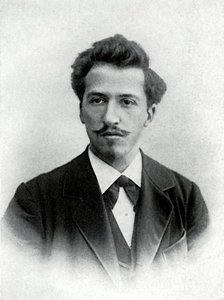
1872 - 1944 , 荷兰

Explore the profound impact of Minimalism and Geometric Abstraction. From Mondrian to Malevich, discover how stripping art to its essential forms revolutionized modern aesthetics through our expert-led historical guide.


第一时间获取最新的艺术新闻、独家优惠及装饰灵感。
向我们介绍您的项目需求,我们的艺术专家将为您提供 3 个个性化的艺术品推荐。
由我们的专家为您精选 3 款心仪之作 —— 完全免费!


 效果预览
效果预览
 购买手绘画作
 分享
分享 分享
分享
 详情
详情

 下载
下载
 相似作品
相似作品 X射线
X射线 幻灯片播放
幻灯片播放

 展开详情
展开详情









 玻璃选项仅适用于110厘米以下的尺寸。


