


x
 布面油画墙面艺术品High Renaissance
 1520文艺复兴
 165.0 x 147.0 cm




























从与原作比例一致的预设尺寸中进行选择。

您可以输入自定义尺寸,以适配特定的画框或空间。如果所选尺寸与原图比例不符,我们将通过裁剪作品或添加手绘元素来扩展画面。数字样稿将在制作开始前发送给您确认。
请注意,屏幕预览无法准确反映实际的裁剪或扩展效果,只有样稿才能真实呈现最终的构图。
虽然我们提供定制尺寸服务,但为了保留原作比例,建议您从预设列表中选择尺寸。

St. John the Baptist in the Desert
复制品尺寸
Raphael’s “St. John the Baptist in the Desert,” painted around 1516-17, isn’t merely a depiction of a solitary figure; it’s a profound meditation on solitude, preparation, and the nascent promise of redemption. This oil-on-canvas masterpiece, now residing within the hallowed halls of the Louvre in Paris, embodies the very essence of High Renaissance ideals – harmony, balance, and an exquisite understanding of human form rendered with breathtaking realism. More than just a portrait, it’s a visual poem, inviting viewers to contemplate the spiritual journey at its heart.
The scene unfolds within a starkly beautiful desert landscape, dominated by rugged, ochre-colored rocks that rise dramatically into the distance, hinting at distant mountains shrouded in hazy blue. The composition is meticulously balanced; St. John, seated with his hands resting on his knees, occupies the central space, drawing our eye immediately to his contemplative posture. Notice the subtle use of light – a warm, diffused glow washes over the scene, creating an atmosphere of both serenity and vulnerability. The artist’s mastery of color is evident in the earthy tones of the desert contrasted with the cool blues and greens of the distant landscape, establishing a visual dialogue between the earthly realm and the spiritual one.
St. John's iconic pose – clad in a simple loincloth, long flowing hair cascading down his shoulders – immediately evokes images of biblical tradition. However, Raphael elevates this familiar image with layers of symbolic meaning. The desert itself represents isolation and purification; it’s a space of testing and preparation, mirroring the arduous path John undertook before proclaiming Jesus's arrival. The bow and arrows he holds aren’t symbols of aggression but rather represent his role as a guide, pointing humanity towards salvation – a potent reminder of his prophetic mission.
Crucially, observe the two bows positioned strategically within the composition: one near the top left corner, another on the bottom right. These are not accidental additions; they subtly reinforce John’s role as a herald, extending his influence and pointing towards the future. The presence of the boat on the horizon, nestled amongst the rocks, introduces an element of earthly connection – a reminder that this spiritual journey is rooted in the realities of human existence. It suggests a longing for return, perhaps even a hint of John’s own eventual fate.
Raphael's skill as a painter is undeniable. The meticulous detail evident in the rendering of St. John’s musculature, the texture of his clothing, and the ruggedness of the desert landscape speaks to his deep understanding of anatomy and perspective. The use of oil on canvas allowed Raphael to achieve an unprecedented level of realism and depth – capturing not just the outward appearance but also the inner essence of his subject. The subtle gradations of color, the delicate modeling of form, and the masterful handling of light all contribute to the painting’s captivating beauty.
Interestingly, “St. John the Baptist in the Desert” is believed to be influenced by Michelangelo's earlier depiction of St. John the Baptist, which was painted around 1508-1512. Raphael clearly studied this work closely, adopting some of its key compositional elements and emotional intensity. The painting’s serene yet powerful atmosphere reflects the broader humanist ideals of the High Renaissance – a celebration of human potential and a deep engagement with spiritual themes.
Most-Famous-Paintings offers meticulously crafted, hand-painted reproductions of Raphael's “St. John the Baptist in the Desert,” capturing the essence of this iconic work while retaining its original beauty and detail. Whether you’re an art enthusiast seeking to add a touch of Renaissance elegance to your home or an interior designer looking for a statement piece, our reproductions provide an authentic and affordable way to experience the timeless allure of Raphael's masterpiece. Explore our collection today and bring this profound work of art into your space.

拉斐尔,原名拉斐埃洛·桑齐奥·达·乌尔比诺(Raffaello Sanzio da Urbino),是西方艺术史上最受推崇的人物之一。他于1483年出生在意大利中央小城乌尔比诺,这个城市本身就是一个孕育艺术与人文思想的温床。他的父亲乔瓦尼·桑齐奥不仅是一位画家,更是杜克费德里科·达·蒙特费尔特罗宫廷中的诗人,对文艺复兴思潮有着深刻的理解,并积极从意大利各地乃至更远的地方搜集新的艺术理念。这种浸润在宫廷文化中的环境,塑造了拉斐尔年轻时的审美情趣和对知识的渴望。父亲早逝后,年仅十一岁的拉斐尔便承担起家庭责任,并在家族作坊中磨练技艺,吸收着当地艺术家们的传统与技巧。即使在他早期作品中,也能窥见他日后成熟风格中的温柔优雅和一丝不苟的细节处理。
拉斐尔的艺术之路是一条不断演进的旅程,充满了学习与融合。最初在佩鲁贾跟随彼得罗·培鲁吉诺的训练,为他奠定了翁布里亚画派的基础——这种风格以柔和的造型、和谐的构图和宁静的宗教场景为特点。然而,拉斐尔的好奇心驱使着他不断探索新的挑战,拓展艺术视野。1504年,他前往充满创新活力的佛罗伦萨,在那里,他接触到了列奥纳多·达·芬奇和米开朗基罗的杰作,这两位艺术家正在以前所未有的方式突破绘画的界限。他仔细研究他们的技巧——列奥纳多的晕染法(sfumato),其微妙的光影过渡;以及米开朗基罗强大的解剖学精确性和戏剧性的构图。佛罗伦萨时期是拉斐尔艺术生涯中的一个熔炉,迫使他面对新的可能性并将其融入自己的独特视角。这种影响体现在他此后作品中动态感和心理深度上的提升,尤其是在他的圣母像系列中。
1508年,拉斐尔收到了一份改变其职业生涯轨迹的邀请——教皇朱利叶斯二世邀请他前往罗马。这标志着他最富有成效和受人称颂的时期开始。永恒之城为他在宏大的尺度上展示才华提供了无与伦比的机会,用令人惊叹的壁画装饰了梵蒂冈的教皇公寓。《雅典学院》,无疑是他最著名的作品之一,见证了他对构图、透视和哲学寓意的掌握。在这幅雄伟的空间中,拉斐尔汇集了古希腊罗马时期的代表人物——柏拉图、亚里士多德、毕达哥拉斯、欧几里得等,创造了一个生机勃勃的场景,颂扬了人类理性与知识的追求。此后,他继续为后来的教皇服务,如列奥十世,承担了装饰“署名厅”(Stanze della Segnatura)和“厄利多罗厅”(Stanza d'Eliodoro)等大型项目。这些房间里的壁画不仅仅是装饰品;它们是对教皇权力和宗教信仰的深刻陈述,也是文艺复兴理想的体现。
拉斐尔的艺术风格通常被描述为一种和谐的优雅、清晰和理想美的融合。他拥有非凡的能力,可以将各种影响——翁布里亚传统、佛罗伦萨创新以及古希腊罗马文化——融入到独特的审美之中。他的构图经过精心策划,展现出反映他对文艺复兴原则深刻理解的秩序感和比例感。他的形象散发着一种庄严的气度和情感表达力,体现了人类完美的人文理想。他也是一位色彩大师,运用丰富的、明亮的色调来创作既具有视觉吸引力又具有智力刺激性的作品。与米开朗基罗经常戏剧化和动荡的风格不同,拉斐尔的作品散发出一种平静和和谐的感觉——这种品质使他几个世纪以来一直受到观众的喜爱。
拉斐尔于1520年英年早逝,享年仅三十七岁,这戛然而止了他充满潜力的职业生涯。然而,他的遗产依然存在,作为西方艺术史上最具影响力的代表人物之一。他的作品成为文艺复兴盛期美学的基石,为后世的艺术家们树立了榜样。虽然米开朗基罗的影响后来主导了艺术讨论,但拉斐尔对清晰、和谐和理想美的强调在古典主义时期得到了复兴,由约翰·约阿希姆·温克曼等评论家所推崇。今天,他的画作继续激发人们的敬畏和钦佩之情,以其精湛的技术、深刻的情感以及持久的吸引力而著称。他的影响可以体现在无数在他之后的作品中,巩固了他作为文艺复兴时期一位真正的艺术大师的地位——一位不仅捕捉了人物的肖像,而且捕捉了人类优雅与尊严本质的画家。

1483 - 1520 , 意大利
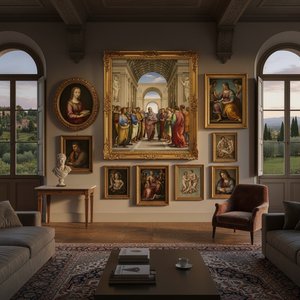
探索拉斐尔大师的25幅杰作!深入了解文艺复兴艺术、意大利绘画和经典油画背后的故事。Most-Famous-Paintings.com提供博物馆品质的拉斐尔作品复制品,为您的家居装饰带来永恒之美。立即在线探索完整系列。

探索约翰·辛格·萨金特25幅传世杰作!深入了解这位美国印象派大师的肖像画技巧、金色时代风格与艺术故事。Most-Famous-Paintings.com提供高品质油画复制品,点亮您的室内设计,打造奢华艺术空间。立即在线探索完整系列!
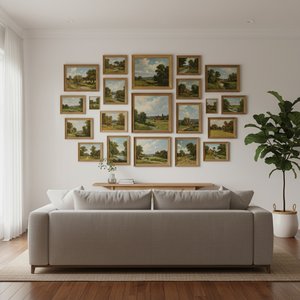
探索康斯塔布尔的25幅传世杰作!沉浸于英国田园风光,感受浪漫主义绘画大师的光影与色彩。高清油画复制、艺术品购买尽在Most-Famous-Paintings.com,为您的家居增添经典之美。立即在线探索完整系列!

Explore the captivating world of Gwen John, a pioneering Welsh artist renowned for her intimate portraits & subtle style. Discover her life, legacy, and how to bring her timeless beauty into your home with Most-Famous-Paintings.

Explore the captivating Orientalist paintings of John Frederick Lewis! Discover his mastery of detail, genre scenes & influence on 19th-century British art. Learn about his life, techniques & legacy at Most-Famous-Paintings.


第一时间获取最新的艺术新闻、独家优惠及装饰灵感。
向我们介绍您的项目需求,我们的艺术专家将为您提供 3 个个性化的艺术品推荐。
由我们的专家为您精选 3 款心仪之作 —— 完全免费!


 效果预览
效果预览
 购买印刷品
购买印刷品 分享
分享 分享
分享
 详情
详情

 下载
下载
 相似作品
相似作品 X射线
X射线 幻灯片播放
幻灯片播放 展开详情
展开详情









 玻璃选项仅适用于110厘米以下的尺寸。


