x
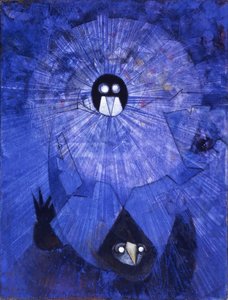
 51.0 x 66.0 cm
 Royal West of England Academy
购买高分辨率增强版数字图像,其品质远超在线预览。
每一份文件都由我们的内部专家使用先进工具与专业的后期润色技术精心打造。我们确保每一张图像都具备卓越的清晰度、精准的色彩还原度以及细腻的细节表现。
最终文件将在 72 小时内通过电子邮件交付,并针对专业、编辑及印刷用途进行了优化。其品质与顶级设计工作室、出版社和画廊所信赖的标准完全一致。
选择 Most-Famous-Paintings.com,您获得的不仅仅是一张图像——您收到的是经过专业级增强、精雕细琢的数字艺术作品,并享有满意保证。以下是您的订单中自动包含的所有内容:

您的高分辨率数字图像文件将在下单后 72 小时内通过电子邮件发送给您 —— 即可立即使用。

您的艺术品经过专业优化,结合先进的 AI 技术与人工修饰,确保呈现极致的细节、清晰度与色彩准确度。

不小心删除了文件或找不到了?没关系——我们将随时为您免费重发。

即刻拥有您的艺术作品,无需支付任何关税、税费或运费——数字下载始终免税。

我们通过专业工具与色彩管理技术,确保您的数字图像尽可能真实地还原原作色彩。

如果您对所购买的数字图像不满意,我们将在60天内为您进行修改或退还100%的款项——无需任何解释。

如果不满意?在收到数字文件后的60天内,我们为您提供全额退款——无需任何理由。

购买 3 张图片可享 10% 折扣 - 购买 5 张可享 15% 折扣 - 购买 10+ 张可享 20% 折扣。非常适合创意项目、画廊和机构使用。

Reginald Gammon (1921-2005) stands as a pivotal figure in American art, particularly for his unflinching portrayals of the Civil Rights Movement and the vibrant world of jazz music. Born in Philadelphia during a period of immense social upheaval, Gammon’s life and work were inextricably linked to the struggles and triumphs of Black Americans. He wasn't merely an observer; he was a participant, translating the urgency and complexity of his era onto canvas and into print, forging a distinctive visual language that continues to resonate today.
Reginald Adolphus Gammon’s artistic journey began at the Philadelphia Museum School of Industrial Art in 1941. This formative period exposed him to a diverse range of techniques, laying the groundwork for his later explorations of realism and social commentary. Crucially, his service in the United States Navy during World War II, stationed in Guam from 1944-1946, profoundly shaped his perspective. Witnessing firsthand the realities of war and displacement instilled within him a deep sense of empathy and a commitment to documenting the experiences of marginalized communities.
Following the war, Gammon relocated to New York City, immersing himself in the burgeoning art scene. He honed his skills through further study at Tyler School of Fine Art and Temple University, absorbing influences from various movements while simultaneously developing his own unique style – one characterized by bold colors, dynamic compositions, and a powerful sense of immediacy.
A watershed moment in Gammon’s career arrived in 1963 when he joined Spiral, an influential collective of African American artists dedicated to addressing the social and political realities of the Civil Rights Movement. This group, centered around Romare Bearden's studio, represented a radical shift in artistic practice – a deliberate effort to integrate the concerns of Black Americans into their work. Spiral’s name itself—a reference to the spiral staircase at the Metropolitan Museum of Art—symbolized the collective’s ambition to ascend and challenge the established art world.
Gammon's involvement with Spiral led to some of his most iconic works, including “Freedom Now” (1965), a searing depiction of a protest march that powerfully captured the spirit of resistance. These paintings weren’t simply representations; they were acts of social engagement, designed to provoke dialogue and inspire action.
Gammon's artistic output spanned a diverse range of subjects, but several recurring themes consistently defined his work. The Civil Rights Movement remained a central focus, with paintings like “Harlem 66” (1966) offering unflinching portraits of individuals caught in the crosshairs of racial injustice. Beyond protest imagery, Gammon also depicted the vibrant culture of jazz music – capturing the energy and emotion of musicians and audiences alike. He was equally adept at portraying everyday life, imbuing scenes of urban landscapes and domestic interiors with a sense of quiet dignity and resilience.
Technically, Gammon’s style evolved over time. Initially influenced by Social Realism, he gradually incorporated elements of Fauvism and Expressionism, utilizing bold colors and dynamic brushstrokes to convey emotion and create visual impact. His prints, often executed in limited color palettes, were characterized by their graphic power and meticulous attention to detail.
Reginald Gammon’s contribution to American art extends far beyond his individual paintings and prints. He was a key figure in the Black Arts Movement, actively challenging racial stereotypes and advocating for greater representation within the art world. His involvement with Spiral and the New Grounds Print Workshop played a crucial role in fostering artistic collaboration and promoting social justice.
Furthermore, Gammon’s work served as a vital visual record of a turbulent era – documenting the struggles, triumphs, and everyday experiences of Black Americans during the Civil Rights Movement. His art continues to be studied and appreciated for its power, honesty, and enduring relevance. His papers, held at the Smithsonian Archives of American Art, offer invaluable insight into his life’s work and artistic philosophy.

1921 - 2005


第一时间获取最新的艺术新闻、独家优惠及装饰灵感。
向我们介绍您的项目需求,我们的艺术专家将为您提供 3 个个性化的艺术品推荐。
由我们的专家为您精选 3 款心仪之作 —— 完全免费!


 效果预览
效果预览
 购买印刷品
购买印刷品 分享
分享 分享
分享
 详情
详情

 下载
下载
 相似作品
相似作品 X射线
X射线 幻灯片播放
幻灯片播放 展开详情
展开详情