x
 Oil On PanelEarly Netherlandish Gothic
 1450Renaissance
 47.0 x 35.0 cm
 普拉多博物馆




























从与原作比例一致的预设尺寸中进行选择。

您可以输入自定义尺寸,以适配特定的画框或空间。如果所选尺寸与原图比例不符,我们将通过裁剪作品或添加手绘元素来扩展画面。数字样稿将在制作开始前发送给您确认。
请注意,屏幕预览无法准确反映实际的裁剪或扩展效果,只有样稿才能真实呈现最终的构图。
虽然我们提供定制尺寸服务,但为了保留原作比例,建议您从预设列表中选择尺寸。

Pietà
复制品尺寸
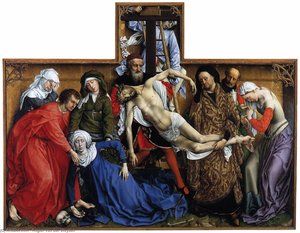
In the quiet stillness of the mid-15th century, a profound transformation occurred in the landscape of Northern European art, moving away from stylized icons toward a visceral, breathing reality. At the heart of this movement stands Rogier van der<|image>Weyden’s Pietà, a masterpiece that does not merely depict a biblical event but invites the viewer into a sacred space of shared mourning. Completed around 1450, this oil on oak panel serves as a monumental testament to human suffering and divine compassion. The scene captures the heavy, heartbreaking moment where the Virgin Mary cradles the lifeless body of her son, Jesus Christ, after his descent from the cross. It is a composition that transcends time, offering a window into the soul of the Early Netherlandish period.
The technical brilliance of van der Weyden is nothing short of extraordinary, reflecting his early training as a goldsmith. This background is evident in the meticulous precision with which he renders every fold of fabric and every glint of light. The artist employs a sophisticated use of chiaroscuro, creating dramatic contrasts between deep, velvety shadows and luminous highlights that sculpt the figures with a three-dimensional presence. His mastery over the oil medium allows for an almost tactile quality; one can sense the weight of Christ’s limp limbs and the heavy, textured drapery of Mary’s robes. This sculptural approach to painting provides a grounded, tangible reality to the ethereal subject matter, making the divine tragedy feel intimately human.
Beyond its technical prowess, the Pietà is a masterclass in psychological realism and symbolic depth. While many contemporary works relied on rigid, symbolic gestures, van der Weyden pioneered an emotional language that speaks directly to the viewer's empathy. The facial expressions are not merely masks of grief but nuanced studies of sorrow, characterized by a quiet, dignified agony. Every element of the composition is designed to evoke compassio—the shared suffering of the Virgin with her son. The way the figures are arranged creates a sense of enclosed, intimate space, drawing the observer into a private moment of lamentation.
For the discerning collector or interior designer, this artwork offers more than just aesthetic beauty; it provides a focal point of profound contemplative power. The subtle interplay of light and shadow makes it a versatile piece for high-end environments, capable of anchoring a room with its historical gravity and somber elegance. Whether placed in a gallery setting or as a centerpiece in a curated collection of Renaissance reproductions, the Pietà commands attention through its ability to evoke a sense of peace, reverence, and timelessness. It remains an enduring icon of the International Gothic style, bridging the gap between the medieval devotion of the past and the humanistic realism of the burgeoning Renaissance.
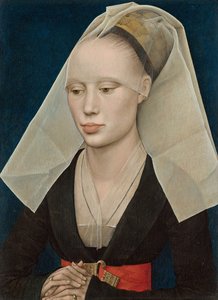
1400 - 1464 , 比利时

Journey into the Early Netherlandish Renaissance! Explore 10 iconic paintings by Jan van Eyck, Rogier van der Weyden & more. Discover stunning detail, symbolism, and oil painting techniques. Find museum-quality art reproductions for your home at Most-Famous-Paintings.com.

Journey into the world of Early Netherlandish painting! Explore 10 masterpieces by Jan van Eyck, Rogier van der Weyden & more. Discover stunning detail, symbolism & Renaissance art for your home decor. Find museum-quality reproductions on Most-Famous-Paintings.com

Explore the revolutionary art of Rogier van der Weyden, a pivotal figure of the Early Netherlandish Renaissance. Discover his emotional realism, innovative compositions, and lasting impact on painting history.
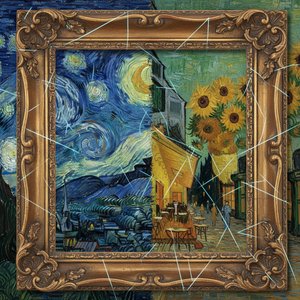
探索文森特·梵高25幅杰作!深入了解《星夜》、《向日葵》等经典作品背后的故事与艺术技巧。Most-Famous-Paintings.com提供博物馆品质的油画复制品,为您的家居带来后印象派的色彩与灵感。立即在线探索完整系列。

Explore the revolutionary art of Hugo van der Goes – a master of Early Netherlandish painting renowned for his dramatic realism, psychological depth & profound influence on Renaissance artists. Discover his iconic works and lasting legacy.


第一时间获取最新的艺术新闻、独家优惠及装饰灵感。
向我们介绍您的项目需求,我们的艺术专家将为您提供 3 个个性化的艺术品推荐。
由我们的专家为您精选 3 款心仪之作 —— 完全免费!


 效果预览
效果预览
 购买印刷品
购买印刷品 分享
分享 分享
分享
 详情
详情

 下载
下载
 相似作品
相似作品 X射线
X射线 幻灯片播放
幻灯片播放 展开详情
展开详情









 玻璃选项仅适用于110厘米以下的尺寸。