x





























从与原作比例一致的预设尺寸中进行选择。

您可以输入自定义尺寸,以适配特定的画框或空间。如果您选择的尺寸与原图比例不符,我们将对作品进行裁剪,或通过镜像填充/纯色填充边缘的方式来扩展图像。在开始制作之前,我们会向您发送一份数字效果图供您确认。
请注意,屏幕上的预览并不能反映实际的裁剪或扩展效果。只有效果图才能准确展示最终的构图。
虽然我们提供定制尺寸,但为了保持原图比例,我们建议您从预设列表中选择尺寸。

Standing Rib
复制品尺寸
Roy Lichtenstein’s “Standing Rib,” created in 1962, is more than just a painting of meat; it’s a meticulously crafted statement about consumerism, mass culture, and the very nature of representation. This seemingly simple image – a raw beef rib presented on a stark white plate – embodies the core tenets of Lichtenstein's groundbreaking Pop Art style. The work immediately confronts the viewer with its bold, graphic execution, a deliberate departure from the traditional notions of artistic subject matter and technique that had dominated Western art for centuries.
“Standing Rib” emerged during a pivotal moment in art history: the rise of Pop Art in the 1960s. This movement, spearheaded by artists like Lichtenstein, Andy Warhol, and Claes Oldenburg, reacted against Abstract Expressionism’s emphasis on individual emotion and subjective experience. Instead, Pop Art embraced imagery from popular culture – advertising, comic books, consumer products – reflecting the growing influence of mass media and the burgeoning American economy. The painting's subject matter directly engages with themes prevalent in American society at the time: abundance, consumption, and the idealized image of the ‘American’ meal.
Lichtenstein’s background also played a crucial role. His early training in realistic drawing instilled a technical proficiency that he then deliberately subverted, using his skills to create deliberately artificial representations. This approach was influenced by his exposure to jazz music – a key element of the burgeoning counterculture – which valued improvisation and disruption of established norms.
While seemingly straightforward, “Standing Rib” is rich in symbolic meaning. The stark white plate acts as a stage, isolating the meat and emphasizing its presentation. The vibrant red color of the rib draws attention to its texture and form, almost fetishizing the object. The painting’s impact lies not in depicting beauty but in provoking thought about our relationship with consumer culture and the way we are bombarded with images that shape our desires. It's a deceptively simple work that continues to resonate today, prompting questions about authenticity, representation, and the role of art in society.
The meticulous detail captured in the painting – the sheen of the meat, the subtle variations in color – is a testament to Lichtenstein’s technical skill. It's a powerful reminder that even seemingly banal subjects can be transformed into compelling works of art through careful observation and innovative technique.

1923 - 1997 , 美国

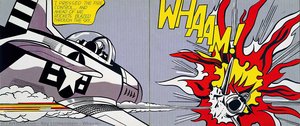
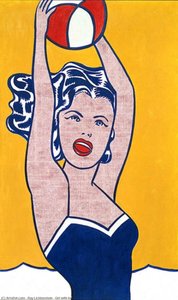
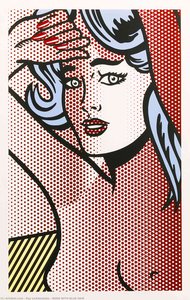
Explore the psychological depth of Roy Lichtenstein's color theory. An expert analysis for art students and collectors on Ben-Day dots, primary palettes, and the intersection of Pop Art with mass media history.

Explore the industrial secrets of 1960s Pop Art. Discover how Ben-Day dots and silk screening transformed mass media into masterpieces by Roy Lichtenstein. An in-depth look at the intersection of mechanical printing and fine art history for students and collectors.


第一时间获取最新的艺术新闻、独家优惠及装饰灵感。
向我们介绍您的项目需求,我们的艺术专家将为您提供 3 个个性化的艺术品推荐。
由我们的专家为您精选 3 款心仪之作 —— 完全免费!


 效果预览
效果预览
 购买手绘画作
 分享
分享 分享
分享
 详情
详情

 下载
下载
 相似作品
相似作品 X射线
X射线 幻灯片播放
幻灯片播放

 展开详情
展开详情









 玻璃选项仅适用于110厘米以下的尺寸。