x





























从与原作比例一致的预设尺寸中进行选择。

您可以输入自定义尺寸,以适配特定的画框或空间。如果所选尺寸与原图比例不符,我们将通过裁剪作品或添加手绘元素来扩展画面。数字样稿将在制作开始前发送给您确认。
请注意,屏幕预览无法准确反映实际的裁剪或扩展效果,只有样稿才能真实呈现最终的构图。
虽然我们提供定制尺寸服务,但为了保留原作比例,建议您从预设列表中选择尺寸。

Nativity
复制品尺寸
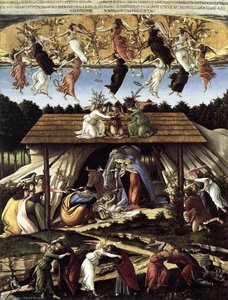
Sandro Botticelli’s 1500 painting, *The Mystic Nativity*, isn’t merely a depiction of the birth of Christ; it’s a profound meditation on faith, doubt, and the turbulent spiritual landscape of Renaissance Florence. Often shrouded in mystery due to its enigmatic composition and the artist's own cryptic inscription, this work invites viewers into a world where divine grace intersects with human vulnerability—a space that continues to resonate powerfully centuries later. It stands as a testament to Botticelli’s unique artistic vision, blending elements of late Gothic elegance with nascent Renaissance naturalism in a way that remains both captivating and unsettling.

To truly appreciate *The Mystic Nativity*, one must understand the historical and cultural climate in which it was created – Florence during the reign of Savonarola. The city, recently emerging from the Medici’s rule, was gripped by religious fervor and political instability. Savonarola's strict moral reforms had instilled a deep sense of anxiety and uncertainty, prompting many artists to explore themes of mortality, divine judgment, and the precariousness of earthly existence. Botticelli, deeply connected to the humanist circles surrounding Lorenzo de Medici, navigated this complex environment, producing works that reflected both his artistic skill and his own evolving spiritual perspective. The painting’s somber mood and ambiguous symbolism are inextricably linked to this era of profound social and religious upheaval.
Botticelli masterfully employs a rich tapestry of symbols to convey layers of meaning within the scene. The kneeling figure, hands clasped in prayer, represents humanity’s plea for divine guidance—a posture that speaks volumes about vulnerability and reliance on faith. The scattered birds, often interpreted as representing souls ascending to heaven, add an ethereal quality to the composition. The apples, a traditional symbol of temptation and sin, introduce a note of moral complexity, suggesting that even in moments of profound spiritual grace, humanity remains susceptible to earthly desires. The standing figure, holding an unidentified object – perhaps a staff or tool – could symbolize both earthly authority and the role of man in facilitating God’s plan.
Botticelli’s distinctive style is immediately apparent in *The Mystic Nativity*. He eschews the rigid, linear perspective favored by his contemporaries, opting instead for a softer, more atmospheric approach. The figures are rendered with graceful elegance and flowing lines, reminiscent of late Gothic art while simultaneously incorporating elements of Renaissance naturalism—particularly in the depiction of drapery and facial expressions. The use of muted colors and subtle gradations of light creates a sense of depth and atmosphere, drawing the viewer into the scene’s contemplative mood. Botticelli's masterful control of line and color, combined with his profound understanding of human emotion, elevates this work beyond a simple depiction of a biblical event to a powerful expression of spiritual longing.
Most-Famous-Paintings offers meticulously crafted hand-painted reproductions of Sandro Botticelli’s *Mystic Nativity*, allowing you to experience the beauty and complexity of this iconic masterpiece in your own home. Our artists replicate Botticelli's delicate brushstrokes, nuanced color palette, and evocative symbolism with unparalleled skill, ensuring that your reproduction captures the essence of this timeless work of art. Whether as a statement piece for your living room or a cherished addition to your collection, a Most-Famous-Paintings reproduction of *The Mystic Nativity* is a testament to Botticelli’s genius and a window into the soul of Renaissance Florence.

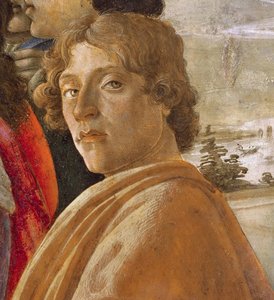
桑德罗·波提切利(Sandro Botticelli),原名亚历山德罗·迪·马里亚诺·迪·瓦尼·菲利佩皮(Alessandro di Mariano di Vanni Filipepi),大约于1445年左右出生在意大利佛罗伦萨,正值文艺复兴早期文化蓬勃发展的时期。他的生活深深扎根于这座城市的艺术和社会脉络之中;他从未远离过奥尼亚桑蒂(Ognissanti)街区,这既体现了他与家庭的紧密联系,也证明了滋养着他的充满活力的创造性生态系统。他的父亲马里亚诺·菲利佩皮最初是一位金匠,后来成为一名鞣制工人,为波提切利提供了早期接触工艺和一丝不苟细节的机会——这些品质将深刻地影响他的艺术手法。尽管最初的报告表明他接受过金匠培训,但他很快在著名画家弗拉·菲利波·利皮(Fra Filippo Lippi)的指导下找到了自己的归宿。这个学徒期是他职业生涯中的一个关键时刻,使他沉浸在佛罗伦萨画派的技术和美学之中,同时也让他与包括美第奇家族在内的有影响力的赞助人建立了联系。
波提切利的艺术风格因其抒情的优美而立即辨认得出,其特点是优雅的线性、流畅的轮廓和微妙的色彩运用。他巧妙地弥合了晚期哥特式传统与新兴文艺复兴美学之间的差距,吸收了弗拉·安杰利科(Fra Angelico)和保罗·乌切洛(Paolo Uccello)等大师的影响,却开创了一种独特的个人视野。他的形象具有一种空灵的品质,通常描绘出比例修长、姿态优雅的人物,既传达出宁静,又带有一丝淡淡的忧郁。他作品中经常融入古典神话的一个显著特征反映了席卷文艺复兴佛罗伦萨的人文主义兴趣。他不只是插图这些古老的传说;他赋予它们新的意义层次,探索爱、美和精神渴望的主题。
波提切利的技巧在当时具有创新性。他经常采用银点绘画方法进行底色处理,为他的成品贡献了光泽和精致的细节。他对蛋彩颜料的使用使精确的再现和鲜艳的色彩成为可能,而他后来对油画的实验则拓宽了他的表现力。
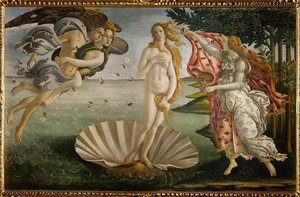
波提切利的遗产建立在他那几幅标志性的绘画之上,这些绘画几个世纪以来一直吸引着观众。《维纳斯的诞生》(The Birth of Venus),创作于大约1486年,堪称他最著名的作品之一——一个寓言式的描绘女神从贝壳中出现,体现了文艺复兴时期对美的理想和和谐。其优雅的构图、精致的色彩调盘和富有表现力的象征意义使其成为该时代的持久象征。同样享有盛誉的是《春》(Primavera),创作于大约1482年,一幅复杂而神秘的画作,庆祝春天和爱,充满了来自古典神话的象征性人物。这些作品展示了波提切利对构图的掌握、他创造大气深度的能力以及他对人类情感的深刻理解。
他的艺术之旅经历了不同的阶段。1470 年代初,他专注于宗教主题,磨练了他的技术技能,并确立了他精湛技艺的名声。 1480 年代标志着他创造力的巅峰时期,创作了他最著名的神话画作。然而,1590 年代末见证了他在风格上的转变,受到吉罗拉莫·萨瓦纳罗拉(Girolamo Savonarola)——一位谴责佛罗伦萨所认为的堕落和道德腐败的笃明会修士热忱布道的影响。这一时期产生了更加严峻和充满情感的作品,反映了他日益增长的精神强度。
波提切利于 1510 年去世后,他的名誉逐渐衰落。近三个世纪以来,他的作品在很大程度上被遗忘,被像列奥纳多·达·芬奇(Leonardo da Vinci)和米开朗基罗(Michelangelo)等文艺复兴盛期大师的成就所掩盖。然而,19 世纪末普拉拉费利主义兄弟会(Pre-Raphaelite Brotherhood)的出现重新发现了他的作品——这是一个拒绝学术惯例并从早期意大利文艺复兴艺术中寻求灵感的英国艺术家团体。他们对波提切利的线性优雅、鲜艳的色彩和诗意的敏锐性感到着迷,将他视为志同道合的人。
这种新的欣赏引发了对他作品的广泛重新评估,确立了他成为早期文艺复兴时期最重要的艺术家之一。如今,波提切利因其独特的艺术视野、他高超的技术以及他持久地唤起美丽、情感和精神沉思的能力而受到赞扬。他的影响可以体现在后世寻求在自己的作品中捕捉同样优雅和精致的艺术家身上。他仍然是佛罗伦萨艺术成就的象征,也是文艺复兴人文主义力量的证明。
1445 - 1510 , 意大利
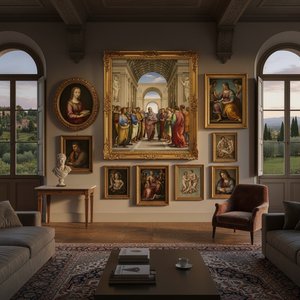
探索拉斐尔大师的25幅杰作!深入了解文艺复兴艺术、意大利绘画和经典油画背后的故事。Most-Famous-Paintings.com提供博物馆品质的拉斐尔作品复制品,为您的家居装饰带来永恒之美。立即在线探索完整系列。

探索佛罗伦萨乌菲兹美术馆的25幅杰作!深入了解达芬奇、米开朗基罗等大师的作品背后的故事,感受文艺复兴艺术的辉煌。精美油画复制品,为您的家居增添经典之美。立即在Most-Famous-Paintings.com发现更多艺术灵感。

Explore the fascinating history of art collectors in Western painting, from Renaissance patrons to modern museum founders. Discover how portraits revealed status, shaped artistic movements & built lasting legacies. Expert insights at Most-Famous-Paintings.

Explore the transformative power of Renaissance art history! Discover iconic masterpieces by Piero della Francesca, Botticelli & Cranach the Elder. Uncover symbolism, techniques, and lasting influence – a guide for enthusiasts.

Explore the groundbreaking innovations & humanist ideals of Early Renaissance art (c. 1400-1500). Discover masterpieces by Botticelli, Fra Angelico & more. A deep dive for art enthusiasts.


第一时间获取最新的艺术新闻、独家优惠及装饰灵感。
向我们介绍您的项目需求,我们的艺术专家将为您提供 3 个个性化的艺术品推荐。
由我们的专家为您精选 3 款心仪之作 —— 完全免费!


 效果预览
效果预览
 切换至印刷版
 分享
分享 分享
分享
 详情
详情

 下载
下载
 相似作品
相似作品 X射线
X射线 幻灯片播放
幻灯片播放
 展开详情
展开详情









 玻璃选项仅适用于110厘米以下的尺寸。