x





























从与原作比例一致的预设尺寸中进行选择。

您可以输入自定义尺寸,以适配特定的画框或空间。如果您选择的尺寸与原图比例不符,我们将对作品进行裁剪,或通过镜像填充/纯色填充边缘的方式来扩展图像。在开始制作之前,我们会向您发送一份数字效果图供您确认。
请注意,屏幕上的预览并不能反映实际的裁剪或扩展效果。只有效果图才能准确展示最终的构图。
虽然我们提供定制尺寸,但为了保持原图比例,我们建议您从预设列表中选择尺寸。

Saint Peter
复制品尺寸
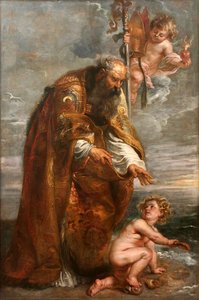
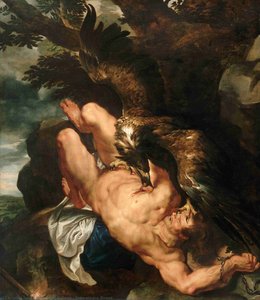
Peter Paul Rubens’s “Saint Peter” is more than just a portrait; it's a vibrant embodiment of the artist’s signature style – a dynamic, emotionally charged depiction of one of Christianity’s most revered figures. Completed in 1618 during a pivotal period in his career, this painting offers a profound glimpse into the heart of the Flemish Baroque and its engagement with both classical ideals and the fervor of the Counter-Reformation. The work, currently residing within the Kunstsammlungen Graf von Schönborn Pommersfelden in Schloss Weißenstein, Germany, stands as a testament to Rubens’s unparalleled ability to infuse religious iconography with life, movement, and an almost palpable sense of drama.
Rubens's artistic approach is immediately striking. He eschews the static formality often associated with depictions of saints, instead presenting Saint Peter in a posture of confident authority, his hand outstretched as if offering guidance or bearing witness to a momentous event. The composition itself is meticulously crafted – a carefully balanced arrangement of form and color that draws the eye directly to the central figure. Notice how Rubens utilizes diagonal lines, particularly those created by Peter’s robe and gesture, to generate a sense of forward momentum, suggesting an active role in the narrative rather than a passive recipient of divine grace.
Rubens was renowned for his mastery of oil on canvas, employing a technique that prioritized intense color saturation and dramatic lighting. In “Saint Peter,” he skillfully manipulates *chiaroscuro* – the interplay of light and dark – to sculpt the figure’s form and heighten its emotional impact. The deep shadows enveloping much of the background contrast sharply with the luminous glow illuminating Peter, creating a powerful sense of depth and drawing attention to his central position within the composition. The rich palette—a symphony of reds, blues, and golds—is characteristic of Rubens's style, reflecting both the opulence of the Counter-Reformation and his deep understanding of color theory.
At the heart of the painting lies the symbolic significance of Saint Peter’s gesture. He holds a key in his hand – an unmistakable reference to his role as the keeper of heaven's gates, as recounted in Matthew 16:19. This potent symbol immediately establishes Peter’s authority and importance within the Christian narrative. The richly embroidered robe, indicative of his elevated status as Pope, further emphasizes this symbolic weight. Beyond the key, subtle details contribute to the painting’s layered meaning; the beard and mustache, rendered with meticulous realism, convey a sense of wisdom and experience, while the overall posture exudes both humility and strength.
The backdrop of “Saint Peter” is dominated by a dramatic, almost stormy sky – a deliberate choice that amplifies the painting’s emotional intensity. This use of atmospheric perspective, coupled with the strong contrasts between light and shadow, creates a sense of depth and drama reminiscent of Baroque art. The dark, brooding background serves not merely as a setting but as an active participant in the scene, mirroring Peter's own role as a beacon of hope amidst uncertainty. The composition is carefully balanced, ensuring that Peter remains the focal point while also incorporating elements that suggest a broader narrative context – perhaps hinting at his martyrdom or his leadership within the early Church.
Created during a period of intense religious and artistic renewal, “Saint Peter” reflects the Counter-Reformation’s emphasis on emotional engagement and dramatic storytelling. Rubens's workshop in Antwerp was a hub for artistic innovation, producing works that catered to both aristocratic patrons and the burgeoning Catholic Church. His style profoundly influenced subsequent generations of artists, notably Anthony van Dyck, who adopted Rubens’s dynamic compositions and vibrant color palettes, particularly in his portraits of English nobility. The painting’s enduring appeal lies not only in its technical brilliance but also in its ability to capture the essence of a pivotal figure within Christian history – a testament to Peter Paul Rubens's genius as one of the greatest artists of the Baroque era.


1577 - 1640 , 德国
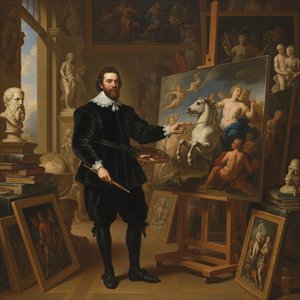
Discover the life & art of Peter Paul Rubens, the most influential artist of the Flemish Baroque tradition. Explore his masterpieces, legacy, and impact on art history with Most-Famous-Paintings.

Explore the dramatic brilliance of the Flemish Baroque movement. Discover how masters like Peter Paul Rubens utilized chiaroscuro and dynamic composition to redefine art history through light, shadow, and unparalleled emotion.

探索巴洛克肖像画的魅力!Most-Famous-Paintings 提供精湛手绘复制品,深入解读历史、技法与大师。专业艺术咨询,打造您的专属艺术空间。值得信赖的选择,尊享品质艺术。

Embark on a sophisticated journey through art history with our exploration of Saint Peter's most powerful masterpieces. Discover the profound emotional depth and technical brilliance of Renaissance and Baroque icons, curated for the discerning classic art enthusiast.
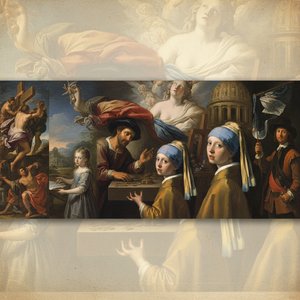
探索巴洛克艺术的辉煌!本文精选十部巨作,带您领略卡拉瓦乔、伦勃朗等大师的光影魔法与戏剧张力。从黄金时代到宗教绘画,感受奢华与精致。Most-Famous-Paintings.com为您提供博物馆品质的艺术复制品和家居装饰灵感。尽在Most-Famous-Paintings.com!


第一时间获取最新的艺术新闻、独家优惠及装饰灵感。
向我们介绍您的项目需求,我们的艺术专家将为您提供 3 个个性化的艺术品推荐。
由我们的专家为您精选 3 款心仪之作 —— 完全免费!


 效果预览
效果预览
 购买手绘画作
 分享
分享 分享
分享
 详情
详情

 下载
下载
 相似作品
相似作品 X射线
X射线 幻灯片播放
幻灯片播放


 展开详情
展开详情









 玻璃选项仅适用于110厘米以下的尺寸。