


x
 Oil On CanvasWallArtBaroque
 1576Renaissance
 352.0 x 349.0 cm
 Gallerie dell'Accademia




























从与原作比例一致的预设尺寸中进行选择。

您可以输入自定义尺寸,以适配特定的画框或空间。如果您选择的尺寸与原图比例不符,我们将对作品进行裁剪,或通过镜像填充/纯色填充边缘的方式来扩展图像。在开始制作之前,我们会向您发送一份数字效果图供您确认。
请注意,屏幕上的预览并不能反映实际的裁剪或扩展效果。只有效果图才能准确展示最终的构图。
虽然我们提供定制尺寸,但为了保持原图比例,我们建议您从预设列表中选择尺寸。

Pietà
复制品尺寸
In the twilight of the Venetian Renaissance, Tiziano Vecellio, known eternally as Titian, reached a pinnacle of emotional expression that few artists in history have ever matched. His Pietà, completed around 1576, is not merely a depiction of a biblical event; it is a visceral, breathing meditation on grief, faith, and the fragility of life. As one of his final works, it carries the weight of a master reflecting on his own mortality. The canvas captures a moment of profound stillness where the boundaries between the earthly and the divine begin to blur. Through a masterful command of light and shadow, Titian invites the viewer into a sacred space of mourning, making the tragedy of Christ’s passing feel intimately present.
The composition eschews the dramatic, theatrical gestures often found in Mannerist works, opting instead for a hauntingly serene atmosphere. At the heart of the scene, Mary Magdalene kneels in quiet devotion, her posture embodying a tender, protective care as she cradles the head of the lifeless Christ. This central focus is surrounded by a cast of figures that ground the spiritual event in a tangible, human reality. A subtle presence of animals—a loyal dog and a distant bird—adds layers of symbolic texture, representing fidelity and the fleeting nature of life. The arrangement of figures creates a rhythmic flow that guides the eye through a landscape of shadows, leading the observer toward the pale, luminous flesh of Christ, which serves as the painting's emotional and visual anchor.
What truly distinguishes this masterpiece is Titian’s revolutionary approach to color, a technique that would define the Venetian school. He did not simply apply paint; he sculpted with it. By layering translucent glazes over opaque underlayers, Titian achieved an unparalleled luminosity, creating a skin-like glow on the figures that seems to radiate from within. The palette is a sophisticated interplay of pale blues, creamy whites, and deep, somber reds, all infused with subtle tonal variations. This use of color creates an ethereal atmosphere, where the light does not just illuminate the scene but seems to emerge from the very fabric of the sorrow being depicted.
In this late period, Titian’s brushwork became increasingly bold and almost impressionistic. The distinction between form and space begins to dissolve, a technique that lends the work an atmospheric depth known as sfumato taken to its emotional extreme. For the collector or the interior designer, this quality offers a profound sense of movement and texture. A high-quality reproduction of this piece brings more than just a historical artifact into a room; it introduces a dynamic energy. The way the light catches the simulated textures of the heavy fabrics and the soft, wounded flesh provides a focal point that is both intellectually stimulating and aesthetically soothing.
Beyond its technical brilliance, the Pietà serves as a deeply personal document. Painted during a time when the plague ravaged Venice, the work was an ex voto offering—a prayer for survival. The inclusion of a self-portrait within the bearded figure holding Christ’s hand adds a layer of heartbreaking intimacy, suggesting that Titian was projecting his own grief and his plea for his family onto the sacred scene. This intersection of personal tragedy and universal religious iconography is what gives the painting its enduring power.
For those seeking to adorn a space with art that inspires contemplation, this reproduction offers an unparalleled opportunity. It is a piece designed for environments that value depth, history, and emotional resonance. Whether placed in a grand gallery-style living room or a quiet study, Titian’s Pietà acts as a window into the human condition, reminding us of our capacity for profound love and enduring resilience. It is an investment in a legacy of beauty that transcends time, offering a timeless elegance that complements both classical and contemporary interiors.
提香(Tiziano Vecellio),这位名字在艺术史上熠熠生辉的人物,是意大利文艺复兴时期最伟大的画家之一。他不仅是一位技艺精湛的艺术家,更是一位色彩革新者,深刻地影响了西方绘画的发展轨迹。他的作品充满了活力、情感和对人性的深刻洞察,至今仍深深打动着无数观众的心灵。
提香生于1488年或1490年左右,出生在多洛米蒂山脉脚下的皮耶韦迪卡多尔小镇。他的早年生活并不详尽,但可以确定的是,他怀揣着对艺术的无限热情,前往威尼斯求学。在那里,他先师从马赛克画家塞巴斯蒂亚诺·祖卡托,后又在金替莱·贝利尼和他的弟弟乔瓦尼·贝利尼的指导下学习绘画技巧。然而,真正塑造提香艺术风格的关键人物是乔尔吉奥内。这两位艺术家共同创作了许多作品,包括“德国商人行会”的外墙壁画,这些合作不仅提升了提香的技艺,也奠定了其独特的艺术风格的基础。
提香的艺术生涯并非一蹴而就,而是经历了一个不断发展和创新的过程。他的早期作品深受乔尔吉奥内影响,呈现出一种柔和、诗意的氛围。然而,随着时间的推移,他逐渐摆脱了这种风格的束缚,开始探索更加大胆和富有表现力的色彩运用。他不再满足于简单的模仿自然,而是试图通过色彩来表达情感、传递思想。例如,《圣母玛利亚与圣伊丽莎白相遇》这幅作品,就充分展现了他对色彩的精湛掌握和对人物内心世界的深刻洞察。提香对色彩的理解达到了前所未有的高度,他能够准确地把握不同颜色的相互作用,创造出令人惊叹的光影效果。
提香不仅是一位杰出的肖像画家,也是一位伟大的历史画、神话画和宗教画大师。他为威尼斯共和国的统治者、欧洲各国的君主以及教皇绘制了大量的肖像作品,这些肖像栩栩如生,充满了人物个性和魅力。他的历史画和宗教画则以其宏大的场面、深刻的思想内涵和精湛的绘画技巧而著称。《乌尔比诺的维纳斯》是提香最著名的作品之一,它不仅是一幅充满感官美感的裸体画作,更是一件具有象征意义的艺术品。这幅画以其大胆的构图、丰富的色彩和对人物情感的细腻刻画而闻名于世。
提香在威尼斯取得了巨大的成功,成为了当时最受尊敬和追捧的艺术家之一。他不仅为威尼斯共和国服务,还受到欧洲各国君主的青睐。他的作品被广泛收藏,影响了无数后世画家。彼得·保罗·鲁本斯、伦勃朗等艺术大师都深受提香的影响,并从他的作品中汲取灵感。提香的绘画风格对巴洛克艺术的发展产生了深远的影响,为西方绘画开创了新的时代。
提香于1576年去世,享年约88岁。他留下了大量的作品,这些作品不仅是意大利文艺复兴时期艺术的瑰宝,也是人类文明的共同财富。如今,他的作品散落在世界各地的博物馆和美术馆中,吸引着来自全球各地的观众前来欣赏。
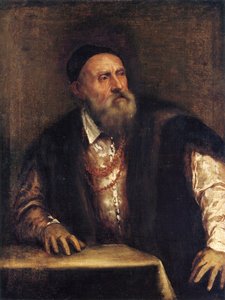
1490 - 1576 , 意大利
探索波提切利大师的25幅杰作!深入了解《春》、《维纳斯的诞生》等经典文艺复兴绘画作品背后的故事、艺术技巧与文化意义。在Most-Famous-Paintings.com,寻找高品质艺术品复制画,为您的家居空间增添永恒之美。立即探索完整系列!
探索爱德华·霍珀25幅经典作品,感受美国现实主义的光影魅力与寂静之美。深入了解每件画作背后的故事、艺术技巧及文化意义。Most-Famous-Paintings.com提供高清油画复制和精选家居装饰灵感。立即探索完整系列!

探索高文艺复兴的十大巅峰之作!米开朗基罗、拉斐尔等大师巨著,揭秘艺术史上的辉煌。高清油画复制品,为您的家居注入艺术灵感。Most-Famous-Paintings.com,博物馆级品质,尽在其中。
探索伦敦国家美术馆25幅传世杰作!从梵高到达芬奇,深入了解艺术史上的经典油画、印象派大师和巴洛克风格。Most-Famous-Paintings.com提供高清艺术复制品,点亮您的家居空间。立即在线探索完整系列!
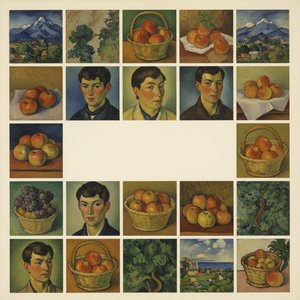
探索保罗·塞尚25幅经典杰作!深入了解后印象派大师的艺术生涯、独特技法与色彩运用。Most-Famous-Paintings提供高清油画复制品,为您的家居带来博物馆级艺术体验。立即发现更多名画,点亮生活空间!


第一时间获取最新的艺术新闻、独家优惠及装饰灵感。
向我们介绍您的项目需求,我们的艺术专家将为您提供 3 个个性化的艺术品推荐。
由我们的专家为您精选 3 款心仪之作 —— 完全免费!


 效果预览
效果预览
 购买手绘画作
 分享
分享 分享
分享
 详情
详情

 下载
下载
 相似作品
相似作品 X射线
X射线 幻灯片播放
幻灯片播放 展开详情
展开详情









 玻璃选项仅适用于110厘米以下的尺寸。


