入驻售卖艺术品
愿望清单 购物车 Cart
效果预览效果预览 AR 预览AR 预览 购买印刷品 购买印刷品购买图片 购买图片 分享分享
详情详情 加入收藏 加入收藏 下载下载 相似作品相似作品 X射线X射线 幻灯片播放幻灯片播放

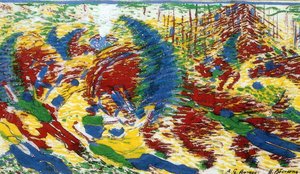
Dynamic Decomposition

Experience Umberto Boccioni’s groundbreaking Dynamic Decomposition—a Futurist masterpiece capturing explosive movement and fragmented forms. This dynamic depiction of human figures embodies the revolutionary spirit of 1913 Italy, inviting you to explore its captivating energy.

意大利未来主义先锋翁贝托·博奇奥尼 (1882-1916),以其动态的绘画和雕塑闻名,捕捉了运动、现代性和解构形式的精髓。《人体动势》和《连续空间中的独特形态》等作品展现了他对速度与能量的深刻理解,对20世纪艺术产生了深远影响。

手工油画复制品

由我们的艺术家按需定制,为您提供您所选尺寸及画框的布面手工油画。 (购买印刷品 购买印刷品购买图片 购买图片)

P118B $10
P118H $10
P118W $10
P438Z $10
P508JH $12
P508YH $12
P805H $10
P805Z $10
P919BZ $10
P919G $10
P919XJ $10
P959ZH $10
P968JZ $12
W106C $8
W218G $10
W218JH $8
W218Y $10
W307PJ $10
W316G $10
W316PJ $8
W316Y $10
W398PJ $8
W4111J $10
W500HY $15
W500JH $15
W692G $12
W849H $8
W940BG $15
W953PJ $8

Standard
custom
CM
INCH

从与原作比例一致的预设尺寸中进行选择。

宽度
高度

您可以输入自定义尺寸,以适配特定的画框或空间。如果所选尺寸与原图比例不符,我们将通过裁剪作品或添加手绘元素来扩展画面。数字样稿将在制作开始前发送给您确认。
请注意,屏幕预览无法准确反映实际的裁剪或扩展效果,只有样稿才能真实呈现最终的构图。
虽然我们提供定制尺寸服务,但为了保留原作比例,建议您从预设列表中选择尺寸。

可定制示例:将面部替换为客户照片;添加宠物(例如,将猫替换为狗);在背景中加入隐藏信息;更改背景风景或元素。
下单后,Most-Famous-Paintings.com 团队将通过电子邮件联系客户获取具体要求,并提供效果预览图。

全球配送(),仅需 3-4 周即可送达,无需等待标准时效的 5 周。(18 August)。品质绝不妥协。

why_choose_icon
全球免费特快专递服务
why_choose_icon
优质亚麻画布
why_choose_icon
全程运输保险
why_choose_icon
关税退款保证
why_choose_icon
色彩还原度保证
why_choose_icon
60天退货政策(仅限制造缺陷)
why_choose_icon
100%退款保证
why_choose_icon
多件购买优惠

总计金额

$ 272

reproduction

Dynamic Decomposition

复制材质

复制品尺寸

-

最终总价

$ 272

作品概览

  • Notable elements or techniques: Motion capture; Collage
  • Subject or theme: Urban dynamism
  • Artist: Umberto Boccioni
  • Medium: Painting
  • Location: Private Collection
  • Artistic style: Cubist
  • Influences: Marinetti

作品详情

Dynamic Decomposition: Capturing the Pulse of Modernity

The photograph captures Umberto Boccioni’s “Dynamic Decomposition,” a seminal work embodying the core tenets of Futurism—a movement that fundamentally challenged artistic traditions and championed the exhilarating pace of industrialization. Painted in 1913, this monochrome image offers an arresting glimpse into Boccioni's revolutionary vision for art and its role in reflecting the transformative forces reshaping Europe at the dawn of the twentieth century.

A Symphony of Motion: Style and Technique

Boccioni’s approach to painting was radically innovative. Rejecting traditional perspective and illusionistic representation, he embraced a technique known as “tubolare,” which aimed to convey movement through fragmented planes and overlapping forms. This method isn't merely about depicting speed; it’s about capturing the *feeling* of dynamism—the disorientation and exhilaration experienced during rapid change. The photograph reveals how Boccioni skillfully utilizes tonal variations within the black and white palette to accentuate these fractured planes, creating a palpable sense of instability and energy that draws the viewer into the scene. Notice particularly how the artist manipulates light and shadow to emphasize contours and delineate the figures’ positions amidst the swirling composition.

The Futurist Manifesto and Its Influence

Futurism arose from a fervent belief in technological progress and an ardent rejection of bourgeois values. Filippo Tommaso Marinetti, considered the movement's prophet, penned the manifesto in 1909, proclaiming “Speed! Light! Noise!” and advocating for artists to embrace machines and urban life as sources of inspiration. "Dynamic Decomposition" directly responds to this ethos, portraying a man caught in the midst of an unfolding event—a collision between individuals and forces representing progress and disruption. The figures aren’t simply depicted; they are actively dissolving into one another, symbolizing the breakdown of established order and the emergence of something new.

Symbolism Within Fragmentation

Despite its apparent simplicity, “Dynamic Decomposition” is laden with symbolic significance. The central figure represents humanity grappling with the overwhelming pressures of modernity—a confrontation between individual consciousness and the relentless march of industrialization. The scattered figures surrounding him embody the disintegration of traditional social structures and the fragmentation of experience itself. The monochrome palette contributes to this mood of unease, stripping away color’s emotive power and focusing instead on form and texture – elements that communicate the raw energy of the depicted moment.

Emotional Resonance: An Image That Speaks Volumes

Ultimately, “Dynamic Decomposition” transcends mere visual representation; it evokes a profound emotional response. The photograph encapsulates the anxiety and excitement inherent in facing an uncertain future—a feeling powerfully conveyed through Boccioni’s masterful use of technique and composition. It's a piece that compels contemplation about the human condition within the context of accelerating change, reminding us of the dynamism and complexity of our time. Reproductions offer a chance to experience this arresting vision firsthand, bringing the spirit of Futurism into any interior space.

艺术家简介

波乔尼:运动与现代性的先驱

翁贝托·波乔尼(Umberto Boccioni,1882-1916)是意大利未来主义运动的核心人物之一,他的生命短暂却充满激情,如同他所倡导的艺术理念一样,充满了速度、能量和对现代世界的狂热拥抱。波乔尼出生于卡拉布里亚地区的雷焦卡拉布里亚,童年时期因父亲的公职调动而辗转各地,这种漂泊的生活经历塑造了他不安分的灵魂,也为他日后捕捉城市脉搏、表现运动本质提供了丰富的素材。早年的波乔尼在罗马学习装饰艺术,随后转向绘画,受到新艺术风格海报艺术的影响。然而,真正点燃他艺术生涯的火花,是与未来主义创始人菲利波·托马索·马里内蒂相遇,以及对未来主义宣言的深刻理解。

从传统到革新:波乔尼的艺术探索

1910年是波乔尼艺术生涯的关键一年,他签署了《画家未来主义宣言》,正式投身于这场旨在颠覆传统艺术、拥抱现代社会变革的运动之中。波乔尼很快成为了未来主义理论家中的领军人物,他不仅继承了马里内蒂的思想,更将其应用于视觉艺术领域。他主张彻底摆脱对客观现实的再现,转而追求通过绘画来传达事物所蕴含的情感和运动状态——速度带来的眩晕感、形式的碎片化以及城市生活的巨大能量。早期的作品中仍能看到点彩派和分离主义的影响,但已经开始展现出他对动态表现的强烈兴趣。例如,《城市崛起》(1910-1911)这幅画作气势恢宏,描绘了现代都市建设的混乱景象——一个由人类、建筑和机器组成的漩涡,完美地体现了未来主义理想。波乔尼不断探索新的艺术语言,他逐渐摒弃传统的透视和构图方式,拥抱碎片化,以此来表现运动和能量。物体被分解成构成部分,力量线向外辐射,色彩在旋转的图案中融合——所有这些都旨在创造出一种视觉上的震动感。这种解构并非单纯的风格选择,而是源于波乔尼对现实本质的深刻理解:他认为现实是流动的、不断变化的,因此艺术应该捕捉到事物动态的本质,而非静态的外表。

运动的诗学:波乔尼的代表作

波乔尼的作品主题围绕着运动、现代性的赞歌以及人体作为能量和运动载体的表现展开。《人体动势》(1913)是其杰出的代表作之一,画面中人物不再是一个固定的形态,而是一系列碎片化的形状,暗示了在空间中的运动轨迹。波乔尼的艺术生涯中最具标志性的作品无疑是《连续空间的独特形式》(1913),这件青铜雕塑将未来主义理想推向了极致。人物仿佛被定格在行进之中,四肢和躯干被拉长和扭曲,散发出一种不可阻挡的动量感。波乔尼对材料的运用也极具创新性,他尝试使用各种新材料来表现运动的质感,例如金属、玻璃等。他的雕塑作品不仅是对未来主义理念的视觉诠释,更是对传统雕塑观念的挑战。

遗产与影响

1916年,波乔尼在一战中不幸遇难,年仅三十四岁,这使得艺术界失去了一位极具才华的艺术家。然而,他的思想和作品却在多年后继续产生着深远的影响。他不仅深刻地影响了后来的未来主义艺术家,也对构成主义和抽象表现主义等运动产生了重要作用。他对运动、动态以及现代生活方式的探索,为新的艺术形式开辟了道路,挑战了传统的美学观念和表征方式。
  • 影响:受到贾科莫·巴拉的点彩技巧、立体主义的形式碎片化以及尼采哲学思想的影响。
  • 代表作:《人体动势》、《连续空间的独特形式》、《城市崛起》、《自行车运动员的动势》。
  • 历史意义:波乔尼是20世纪艺术中的关键人物,他挑战了艺术惯例,并帮助塑造了现代艺术的进程。他对动态和运动表现的研究至今仍在激励着艺术家。
翁贝托·波乔尼不仅仅是一位艺术家,更是一位现代文明的先知,他捕捉到了一个世界转型的精神,留下了持续回荡在艺术界中的遗产。《他的作品不仅仅是描绘运动,而是蕴含了运动本身》。
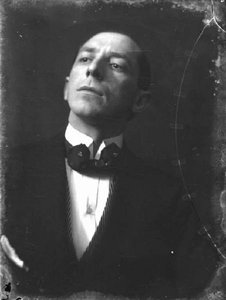
翁贝托·博奇奥尼

翁贝托·博奇奥尼

1882 - 1916 , 意大利

艺术家简介

  • 全名: 翁贝托·博奇奥尼
  • 出生地点: 意大利雷焦卡拉布里亚
  • 出生日期: 1882年10月19日
  • 受影响的艺术家或运动:
    • 构成主义
    • 抽象表现主义
  • 国籍: 意大利人
  • 影响艺术家:
    • 贾科莫·巴拉
    • 点彩派
    • 立体主义
  • 艺术流派: 未来主义
  • 著名作品:
    • 人体动态
    • 连续空间中的独特形式
    • 城市崛起
    • 自行车手的动感
  • 逝世日期: 1916年8月17日
探索按主题、风格和特征分类的艺术作品。