x





























从与原作比例一致的预设尺寸中进行选择。

您可以输入自定义尺寸,以适配特定的画框或空间。如果所选尺寸与原图比例不符,我们将通过裁剪作品或添加手绘元素来扩展画面。数字样稿将在制作开始前发送给您确认。
请注意,屏幕预览无法准确反映实际的裁剪或扩展效果,只有样稿才能真实呈现最终的构图。
虽然我们提供定制尺寸服务,但为了保留原作比例,建议您从预设列表中选择尺寸。

Easter Monday
复制品尺寸
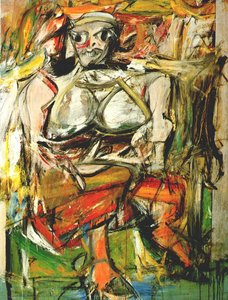
Willem de Kooning's 1956 painting, “Easter Monday,” is not merely a depiction of faces; it’s an intensely psychological exploration rendered with the artist’s signature blend of aggression and vulnerability. The work immediately confronts the viewer with two figures, dramatically differentiated in scale and presence. One face, boldly positioned and adorned with a white hat, dominates the canvas, its gaze direct and seemingly challenging. This figure embodies a forceful assertion, a deliberate engagement that draws us into the painting’s turbulent emotional landscape. The other face, partially obscured and wearing spectacles, offers a quieter, more contemplative response – a subtle acknowledgement of the dominant presence. This juxtaposition immediately establishes a dynamic tension, reflecting perhaps the complexities of human interaction and the struggle for self-expression.
Executed in oil on canvas, “Easter Monday” exemplifies de Kooning’s mastery of Abstract Expressionism. His technique is characterized by broad, gestural brushstrokes – thick impasto applied with a raw energy that suggests both control and unrestrained emotion. The painting isn't about precise representation; instead, it utilizes fragmented forms and distorted perspectives to convey feeling rather than objective reality. Notice the layering of paint, particularly around the prominent face, creating a sense of depth and texture that adds to the work’s visceral impact. De Kooning’s use of color is equally significant – muted tones punctuated by flashes of white and darker shades contribute to the painting's overall mood of unease and intensity. The horse heads, seemingly placed almost arbitrarily, further disrupt any potential for serene observation, adding another layer of unsettling symbolism.
Created during a pivotal period in de Kooning’s career, “Easter Monday” reflects his ongoing exploration of the human figure – often rendered with a deliberately confrontational style. The painting's title, ‘Easter Monday,’ while seemingly straightforward, adds another layer of complexity. Easter, traditionally associated with rebirth and renewal, is juxtaposed with the raw emotional intensity of the scene. This tension speaks to de Kooning’s broader concerns about identity, alienation, and the anxieties of modern life. His work during this period was heavily influenced by Surrealism, particularly its exploration of the subconscious and dreamlike imagery, though he rejected the movement's emphasis on automatic drawing.
“Easter Monday” stands as a powerful example of de Kooning’s ability to translate personal turmoil into universally resonant art. Its enduring appeal lies in its unflinching portrayal of human vulnerability and conflict. The bicycle, a symbol of freedom and movement, adds an element of irony to the composition, suggesting perhaps a futile attempt to escape internal struggles. This painting is more than just a reproduction; it’s a window into the mind of one of America's most influential artists – a testament to his relentless pursuit of emotional truth through bold, expressive brushwork. A hand-painted reproduction offers an unparalleled opportunity to experience the full force of de Kooning’s vision.


1904 - 1997 , 荷兰
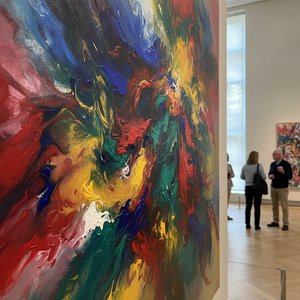
Explore the profound emotional depth of Lyrical Abstraction. Discover how masters like Raymond Parker used color and form to bridge Impressionism and Abstract Expressionism. Learn about this pivotal movement through our expert-led art history guide.

Explore the profound emotional depth of Color Field painting. Discover the history of mid-century abstraction, from Rothko to Newman, and learn how pure color transforms the viewer's experience through our expert art history guide.

Explore the profound impact of Abstract Expressionism. Discover how post-war artists used gesture and emotion to redefine modern art through Action Painting and the New York School. A definitive guide for students and collectors seeking deep historical context.

Explore the profound history and emotional depth of Abstract Expressionism. From Jackson Pollock to Mark Rothko, master the nuances of the New York School through our expert art history guide. Discover museum-quality hand-painted reproductions for your collection.


第一时间获取最新的艺术新闻、独家优惠及装饰灵感。
向我们介绍您的项目需求,我们的艺术专家将为您提供 3 个个性化的艺术品推荐。
由我们的专家为您精选 3 款心仪之作 —— 完全免费!


 效果预览
效果预览
 购买印刷品
购买印刷品 分享
分享 分享
分享
 详情
详情

 下载
下载
 相似作品
相似作品 X射线
X射线 幻灯片播放
幻灯片播放

 展开详情
展开详情









 玻璃选项仅适用于110厘米以下的尺寸。