


x





























从与原作比例一致的预设尺寸中进行选择。

您可以输入自定义尺寸,以适配特定的画框或空间。如果所选尺寸与原图比例不符,我们将通过裁剪作品或添加手绘元素来扩展画面。数字样稿将在制作开始前发送给您确认。
请注意,屏幕预览无法准确反映实际的裁剪或扩展效果,只有样稿才能真实呈现最终的构图。
虽然我们提供定制尺寸服务,但为了保留原作比例,建议您从预设列表中选择尺寸。

Gossips, (painting)
复制品尺寸

William Edward Norton (1843-1916) wasn’t merely a painter; he was an interpreter of the ocean’s moods, a translator of its vastness into meticulously rendered canvases. Born in Boston, his lineage intertwined with the very fabric of maritime life – his family were shipbuilders, and from a young age, Norton spent his days immersed in the sights, sounds, and smells of the harbor. This intimate connection to the sea became the bedrock of his artistic vision, shaping his lifelong pursuit of capturing its essence on canvas. Unlike many artists who sought grand, heroic subjects, Norton focused on the quieter, more contemplative aspects of coastal life – the subtle shifts in light upon the water, the weathered faces of fishermen, and the dignified presence of sailing ships against a dramatic sky.
Norton’s early artistic development was profoundly influenced by George Inness, a prominent American painter known for his atmospheric landscapes and tonalist style. Inness's emphasis on capturing mood and atmosphere rather than precise detail resonated deeply with Norton, guiding him to prioritize the emotional impact of his scenes over photographic realism. He studied at the Lowell Institute in Boston, absorbing Inness’s techniques and developing a distinctive approach characterized by soft gradations of color, diffused light, and a remarkable ability to evoke a sense of depth and tranquility. This influence is particularly evident in works like “Gossips,” a captivating depiction of fishermen mending their nets – the figures are rendered with a gentle softness, blending seamlessly into the hazy coastal background.
Norton’s artistic journey was inextricably linked to his seafaring experiences. He spent several summers on the coast of Maine, a period that proved formative for his artistic development. These voyages weren't merely recreational; they provided him with invaluable firsthand knowledge of coastal landscapes, weather patterns, and the rhythms of maritime life. He sailed on family-owned ships, witnessing firsthand the challenges and rewards of seafaring – experiences he later translated into powerful visual narratives. This direct engagement with the sea instilled in him a deep respect for its power and beauty, as well as an understanding of the lives intertwined with it.
Beyond his personal voyages, Norton’s artistic interests extended to European travel. He spent several years studying in Paris, immersing himself in the vibrant art scene and absorbing the techniques of contemporary masters. This exposure broadened his artistic horizons, introducing him to new approaches to color, composition, and subject matter. His time in Europe allowed him to refine his style and develop a more sophisticated understanding of artistic principles.
William Edward Norton’s legacy extends beyond his individual paintings; he represents a pivotal figure in American marine art, bridging the gap between tonalism and a more direct engagement with the subject matter of coastal scenes. His work continues to resonate with viewers today, offering a poignant reminder of the enduring beauty and power of the sea. His influence can be seen in subsequent generations of seascape artists who sought to capture the emotional essence of coastal landscapes. Norton’s paintings are now housed in prominent collections such as the Museum of Fine Arts, Boston, and the Smithsonian American Art Museum, ensuring that his artistic vision will continue to inspire and captivate audiences for years to come.

1843 - 1916
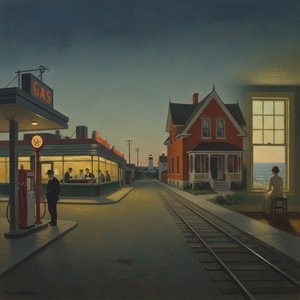
探索爱德华·霍珀25幅经典作品,感受美国现实主义的光影魅力与寂静之美。深入了解每件画作背后的故事、艺术技巧及文化意义。Most-Famous-Paintings.com提供高清油画复制和精选家居装饰灵感。立即探索完整系列!

Explore the rich history of coastal scenes in painting! Discover Impressionist masterpieces, American realism & contemporary visions. Learn about renowned artists and find your perfect seascape at Most-Famous-Paintings.

Explore the rich history of marine painting with Most-Famous-Paintings. Discover Dutch Masters, Romantic seascapes & renowned artists like Wyllie and Harris. Expert guidance for collectors & custom reproductions.

Explore the strategic role of fine art reproductions in today's galleries. Discover how they cultivate collectors, enhance education & expand access to art. Expert insights for discerning buyers and professionals.

Explore the cultural significance of fine art reproduction & its appeal to discerning collectors. Discover how reproductions enhance aesthetics, build collections, and signal status. Expert insights & museum-quality artistry.


第一时间获取最新的艺术新闻、独家优惠及装饰灵感。
向我们介绍您的项目需求,我们的艺术专家将为您提供 3 个个性化的艺术品推荐。
由我们的专家为您精选 3 款心仪之作 —— 完全免费!


 效果预览
效果预览
 购买印刷品
购买印刷品 分享
分享 分享
分享
 详情
详情

 下载
下载
 相似作品
相似作品 X射线
X射线 幻灯片播放
幻灯片播放
 展开详情
展开详情









 玻璃选项仅适用于110厘米以下的尺寸。


