


x
 EngravingWallArtMoralistic Engraving
 1750Early Modern
 359.0 x 341.0 cm




























从与原作比例一致的预设尺寸中进行选择。

您可以输入自定义尺寸,以适配特定的画框或空间。如果所选尺寸与原图比例不符,我们将通过裁剪作品或添加手绘元素来扩展画面。数字样稿将在制作开始前发送给您确认。
请注意,屏幕预览无法准确反映实际的裁剪或扩展效果,只有样稿才能真实呈现最终的构图。
虽然我们提供定制尺寸服务,但为了保留原作比例,建议您从预设列表中选择尺寸。

Gin Lane
复制品尺寸
In the heart of 18th-century London, amidst the swirling fog and the growing shadows of social upheaval, William Hogarth captured a moment of profound human tragedy that continues to haunt the viewer centuries later. His masterpiece, Gin Lane, is far more than a mere engraving; it is a visceral, breathing chronicle of a city in the throes of moral and physical decay. Completed in 1751, this work serves as a searing indictment of the "Gin Craze," a period when the cheap, accessible spirit flooded the streets of London, leaving a trail of broken families and shattered lives in its wake. As one gazes upon this intricate tableau, the sense of claustrophobia is immediate. The composition is a deliberate chaos, a densely populated lane where figures overlap and collide, creating an overwhelming atmosphere of misery that pulls the observer into the very center of the struggle.
Hogarth, a master of social satire and a keen observer of the human condition, employs a technique that breathes life into the grim reality of his subject. Through the meticulous use of hatching and cross-hatching, he achieves a remarkable tonal variation that defines the textures of a crumbling urban landscape. The starkness of the black and white medium enhances the dramatic lighting, casting deep, heavy shadows that seem to swallow the figures whole. Every line is purposeful, serving to delineate the skeletal forms of the suffering and the jagged, angular architecture of the decaying buildings. This precision allows the viewer to witness the fine details of despair—the slumped posture of a man lost to intoxication, the frantic movements of those caught in the grip of poverty, and the chilling stillness of death that permeates the scene.
Beyond its surface-level depiction of poverty, Gin Lane is rich with symbolic language designed to provoke deep contemplation and social reform. Hogarth meticulously placed emblems of excess throughout the lane; overflowing gin barrels stand as silent sentinels of corruption, while the very architecture seems to be collapsing under the weight of vice. The presence of decaying bodies and the neglect of the innocent—such as the heartbreaking depiction of a mother unable to care for her child—act as powerful metaphors for the erosion of the social contract. This was not art created for mere decoration, but art intended to galvanette public opinion. It was part of a larger reformist movement, designed to be viewed alongside its counterpart, Beer Street, to contrast the perceived stability of traditional brewing with the destructive anarchy of the gin epidemic.
For the modern collector or interior designer, bringing a high-quality reproduction of this work into a space offers more than just a historical artifact; it introduces a profound narrative depth. The piece possesses an undeniable emotional gravity that commands attention, making it a striking focal point for those who appreciate art that challenges the status quo and explores the complexities of the human spirit. Whether placed in a study filled with historical texts or as a bold, monochromatic statement in a contemporary gallery-style room, Gin Lane serves as a timeless reminder of the power of art to act as a mirror to society, capturing the eternal struggle between chaos and order, and vice and virtue.

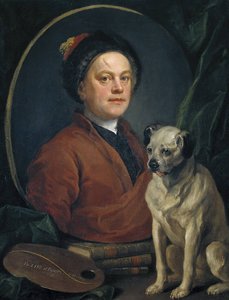
1697 - 1764 , 英国

Explore the satirical world of William Hogarth, pioneering British painter & engraver. Discover his iconic works like *A Rake's Progress* and insightful social commentary on 18th-century London life.

Journey through art history with our Top 10 Legendary Engravings! Explore masterpieces by Dürer, Rembrandt & Goya. Discover the stories behind these iconic prints and find museum-quality reproductions for your home at Most-Famous-Paintings.com.

Journey through 18th century art! Explore 10 iconic paintings – from Rococo elegance to Neoclassical grandeur. Discover Fragonard, David & more. Find museum-quality reproductions and elevate your home decor on Most-Famous-Paintings.com.

Explore the rich history of engraving with Most-Famous-Paintings. Discover techniques, iconic artists like Dürer & Callot, collecting tips, and expert guidance for preserving your art investment. Learn about intaglio printing & more!

Explore the rich history of engraving with Most-Famous-Paintings. Discover techniques, iconic artists like Dürer & Callot, collecting tips, and expert guidance for preserving your art investment. Learn about intaglio printing & more!


第一时间获取最新的艺术新闻、独家优惠及装饰灵感。
向我们介绍您的项目需求,我们的艺术专家将为您提供 3 个个性化的艺术品推荐。
由我们的专家为您精选 3 款心仪之作 —— 完全免费!


 效果预览
效果预览
 购买印刷品
购买印刷品 分享
分享 分享
分享
 详情
详情

 下载
下载
 相似作品
相似作品 X射线
X射线 幻灯片播放
幻灯片播放 展开详情
展开详情









 玻璃选项仅适用于110厘米以下的尺寸。


