


x
Koupě vysoce rozlišeného, vylepšeného digitálního obrazu, který je mnohem kvalitnější než online náhled.
Každý soubor je pečlivě připraven našimi odborníky pomocí pokročilých nástrojů a expertní manuální retuše. Zajišťujeme, aby každý obraz disponoval výjimečnou ostrostí, přesnou barevnou věrností a jemnými detaily.
Finální soubor vám bude do 72 hodin zaslán e-mailem, optimalizovaný pro okamžité použití v profesionálním, redakčním i tiskovém prostředí. Nabízíme stejnou kvalitu, které důvěřují špičková designová studia, nakladatelství i galerie.
Stáhněte si soubor ve vysokém rozlišení pro osobní prohlížení, tisk a kreativní projekty. ( Koupit tisk Koupit ručně malovaný obraz)
Když si vyberete Most-Famous-Paintings.com, nezískáváte pouze obrázek – získáváte digitální umělecké dílo s profesionálně vylepšenými detaily, zpracované s precizností a podpořené zárukou za spokojenost. Zde je vše, co vaše objednávka automaticky obsahuje:

Váš digitální obraz ve vysokém rozlišení vám bude zaslán e-mailem do 72 hodin od objednávky – připraven k okamžitému použití.

Vaše umělecké dílo je profesionálně optimalizováno pomocí pokročilých nástrojů umělé inteligence a manuální úpravy, což zajišťuje maximální úroveň detailu, ostrosti a přesnosti barev.

Soubor jste omylem smazali nebo ztratili? Žádný problém – kdykoliv vám ho znovu zašleme zcela zdarma.

Užijte si své umělecké dílo okamžitě bez celních poplatků, daní nebo nákladů na dopravu – digitální stažení je vždy bez daňových povinností.

Pomocí profesionálních nástrojů a správy barev zajišťujeme, aby váš digitální obraz odrážel původní barvy co nejvěrněji.

Pokud nebudete s digitální fotografií spokojeni, provedeme její revizi nebo vám vrátíme 100% během 60 dnů – bez jakýchkoliv dotazů.

Nespokojeni? Získejte plnou částku zpět do 60 dní od přijetí vašeho digitálního souboru – bez jakýchkoliv dotazů.

Koupěte si 3 obrazy, ušetřete 10% - Koupěte si 5, ušetřete 15% - Koupěte si 10+, ušetřete 20%. Ideální pro kreativní projekty, galerie a agentury.
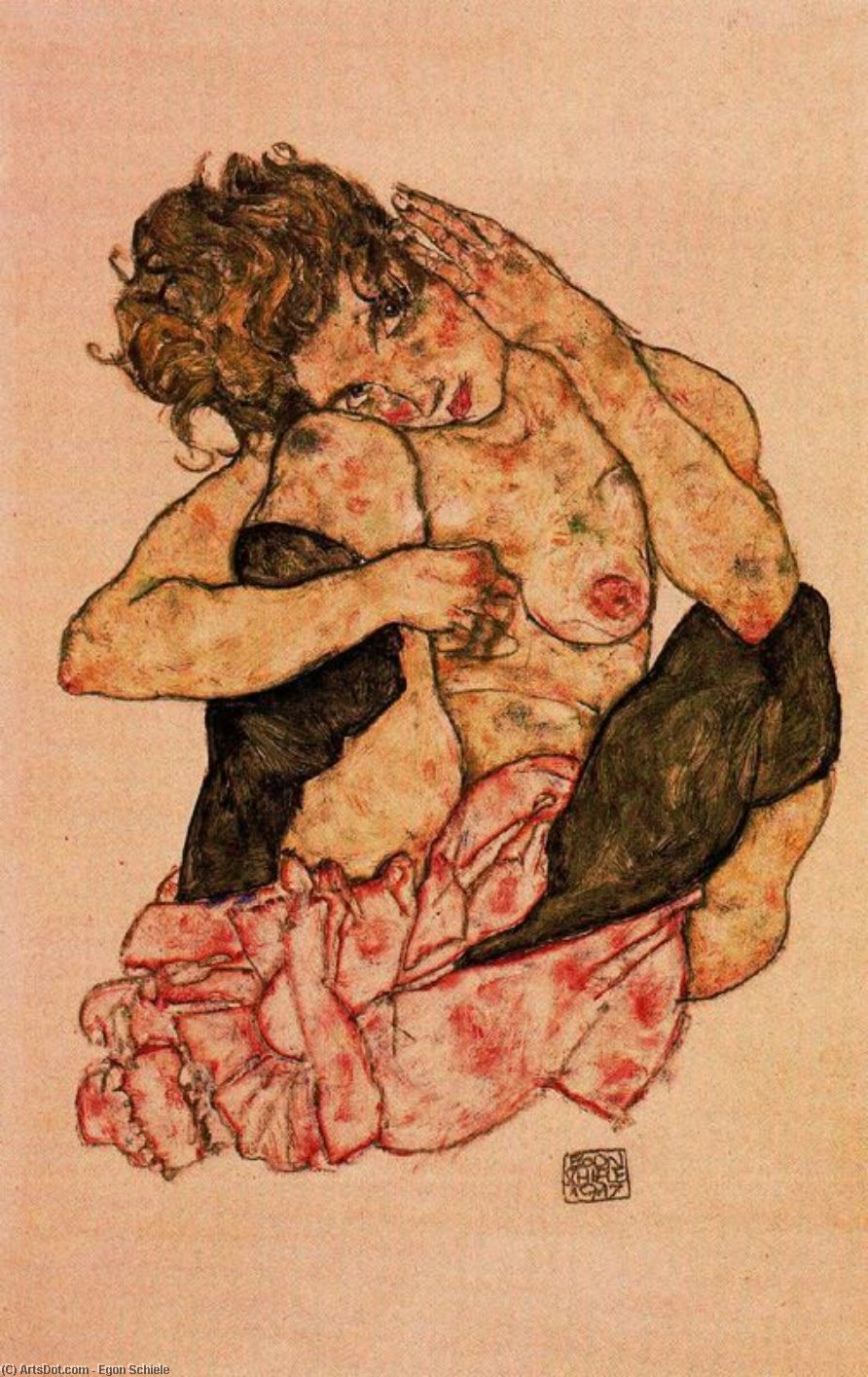
Egon Schiele's *Untitled (2635)*, a hauntingly intimate depiction of two figures intertwined on a bed, is more than just a portrait; it’s a visceral exploration of human connection, mortality, and the unsettling beauty of vulnerability. Painted in 1917, during a period of intense personal turmoil for Schiele – marked by illness, loss, and a burgeoning awareness of his own mortality – this work embodies the artist's signature style: bold lines, distorted forms, and an unflinching gaze into the depths of human emotion. The painting’s power lies not in idealized romance but in its raw honesty, capturing a moment suspended between pleasure and pain, life and death.
The scene unfolds with remarkable immediacy. A woman, her body partially nude, is enveloped by the man's arms, their bodies pressed together in a passionate embrace. The composition isn’t formally balanced; instead, it feels deliberately off-kilter, mirroring the emotional instability that characterized Schiele’s life and art. Notice the deliberate lack of detail – the bedclothes are simplified, the faces are obscured, and the background is almost entirely absent. This reduction focuses our attention solely on the figures themselves, intensifying their interaction and amplifying its psychological weight. The man's posture suggests a protective embrace, while the woman’s expression remains ambiguous, hinting at both surrender and resistance.
Understanding Schiele requires acknowledging the profound impact of his personal life on his art. Born in 1890 in Tulln an der Donau, Austria, he experienced early tragedy with the death of his father from syphilis at just fourteen years old – a trauma that would repeatedly surface throughout his oeuvre. This event, coupled with the loss of his sister Elvira and the subsequent instability of his upbringing under the control of his uncle, instilled in him a deep preoccupation with illness, decay, and the fragility of existence. His uncle’s guardianship, marked by stifling control and a suppression of Schiele's artistic inclinations, further fueled his rebellious spirit and contributed to his sense of isolation.
The painting itself was created during a period when Schiele was struggling financially and emotionally. He had recently separated from his first wife, Edith Harms, and the shadow of World War I loomed large. This context is crucial for interpreting *Untitled (2635)*; it’s not simply a depiction of love but a reflection of an artist grappling with loss, loneliness, and the anxieties of his time. The painting's intensity mirrors Schiele’s own inner turmoil – a desperate attempt to capture and hold onto fleeting moments of connection in the face of inevitable decay.
Schiele’s distinctive style is immediately recognizable through his use of line. He employed thick, gestural lines that seem to vibrate with energy, conveying a sense of urgency and raw emotion. These lines aren't used to create realistic forms; instead, they are employed to express the artist’s subjective experience – capturing not just what he saw but how he *felt*. The distortion of the figures’ bodies is deliberate, emphasizing their vulnerability and suggesting a state of heightened emotional intensity. Notice, too, the use of color—muted tones dominate, creating a somber atmosphere that underscores the painting's melancholic mood.
The presence of secondary figures in the background – one at the top left and another at the bottom right – adds to the painting’s enigmatic quality. These figures could represent observers or perhaps even echoes of past experiences, further contributing to the sense of unease and psychological complexity. The small figure in the center, closer to the heart of the scene, is particularly intriguing; its obscured features invite speculation about its role within this intimate tableau.
*Untitled (2635)* stands as a powerful testament to Egon Schiele’s artistic vision and his unflinching exploration of the human condition. It's a work that demands attention, inviting viewers to confront uncomfortable truths about love, loss, and mortality. Reproductions of this iconic painting offer a remarkable opportunity to bring this intensely emotional artwork into your home or studio, allowing you to experience firsthand the raw beauty and unsettling power of Schiele’s genius. Most-Famous-Paintings offers meticulously crafted hand-painted reproductions that faithfully capture the nuances of this masterpiece, ensuring its enduring legacy for generations to come.

1890 - 1918 , Rakousko


Buďte na tahu s nejnovějšími novinkami ze světa umění, exkluzivními nabídkami a inspirativními nápady na dekoraci.
Sdělte nám více o svém projektu a naši odborníci na umění vám připraví 3 personalizované návrhy uměleckých děl.
Nechť pro vás vybereme 3 možnosti – zdarma!


 Náhled
 Sdílet
 Sdílet
 Podrobnosti o díle

 Stáhnout
 Podobné položky
 Rentgenové snímky
 Slideshow

 Zobrazit více


