


x

 Acrylic On CanvasWallArtExpressionistic Mannerism
 1568
1568 37.0 x 23.0 cm
 Galleria Estense
Ručně malovaná olejná barva na plátně ve vašem zvoleném rozměru i s rámem, vyrobená našimi umělci na zakázku. ( Koupit tisk Koupit obrázek)





























Vyberte si z našich přednastavených velikostí, které odpovídají původním proporcím díla.

Můžete zadat vlastní rozměry pro konkrétní rám nebo prostor. Pokud se vámi vybraná velikost neshoduje s proporcemi původního obrazu, dílo buď ořízneme, nebo jej doplníme ručně malovanými prvky. Před zahájením výroby vám bude zaslán digitální náhled ke schválení.
Upozorňujeme, že náhled na obrazovce neodpovídá skutečnému ořezu ani rozšíření. Pouze digitální náhled přesně zobrazí finální kompozici.
Ačkoliv je možné zvolit vlastní velikost, pro zachování původních proporcí doporučujeme vybrat rozměr z předdefinovaného seznamu.
Celosvětová doprava () za 3–4 týdny namísto standardních 5 týdnů. (22 srpen). Bez kompromisů v kvalitě.


The Modena Triptych (front panels)
Rozměry reprodukce
The Modena Triptych, created in 1568 by the visionary artist Doménikos Theotokopoulos – better known as El Greco – stands as a pivotal work in his artistic journey. More than just a religious depiction, it's a profound exploration of faith, humanity, and the burgeoning Expressionist currents that would later define European art. Housed within the Galleria Estense in Modena, Italy, this tempera painting offers a rare window into El Greco’s unique synthesis of Byzantine tradition, Venetian influence, and his own intensely personal vision. The triptych's three panels – each meticulously rendered with vibrant colors and dramatic lighting – tell layered stories, inviting contemplation on themes of salvation, earthly struggles, and the divine presence within the human experience.
El Greco’s early training in Crete instilled a deep reverence for Byzantine iconography, evident in the meticulous detail and stylized figures. However, his time in Venice exposed him to the dynamism of the Venetian Renaissance, particularly the works of Titian and Tintoretto, which he skillfully integrated into his own style. This fusion is strikingly apparent in the Modena Triptych: the formal rigor of Byzantine painting coexists with a heightened sense of drama, elongated forms, and an emotional intensity that foreshadows the expressive power of later movements. The use of tempera paint – known for its luminous quality and slow drying time – allowed El Greco to build up layers of color and create subtle gradations of light and shadow, contributing significantly to the painting’s ethereal atmosphere.
The triptych unfolds as a series of interconnected narratives. The central panel depicts the Adoration of the Shepherds, a scene brimming with symbolic weight. A Christian knight, resplendent in armor, is crowned by Christ – an image laden with meaning representing divine grace and earthly triumph. Below, the shepherds kneel in adoration, their faces etched with reverence. To either side are scenes from the Baptism of Jesus and the Adoration of the Magi, further reinforcing the central theme of salvation through faith. The back panels offer a contrasting perspective, showcasing biblical events such as the Annunciation to Mary, the revelation at Mount Sinai, and the creation of Adam and Eve. These scenes, rendered with a similar level of detail and emotional intensity, underscore the enduring struggle between good and evil, obedience and rebellion, within the human story.
Notably, El Greco’s compositional choices are deliberate and impactful. The figures are elongated and often appear to be caught in moments of intense emotion – a characteristic that would become synonymous with his style. He employs dramatic diagonals and swirling drapery to create a sense of movement and dynamism, drawing the viewer's eye through the complex arrangement of figures and objects. The use of color is equally striking; vibrant reds, blues, and golds dominate the palette, creating a visually arresting effect that amplifies the emotional impact of each scene.
Beyond their literal depictions, the scenes in the Modena Triptych are rich in symbolism. The presence of Saint Catherine, with her wheel – a potent symbol of martyrdom and devotion – is particularly significant. Her inclusion suggests a connection to El Greco's Cretan roots and his deep faith. The recurring motif of light, often associated with divine illumination, permeates the entire triptych, guiding the viewer’s eye and reinforcing the central theme of spiritual enlightenment. El Greco wasn’t simply illustrating biblical stories; he was attempting to convey a profound emotional experience – a glimpse into the soul of humanity and its relationship with the divine.
The Modena Triptych represents a crucial stage in El Greco's artistic development, bridging the gap between his Byzantine training and his later, more individualistic style. It’s a testament to his ability to synthesize diverse influences – religious iconography, Venetian painting, and his own deeply personal vision – into a uniquely powerful and emotionally resonant work of art. Today, reproductions of this masterpiece offer an accessible way to appreciate the genius of El Greco and experience the enduring power of his artistic legacy.

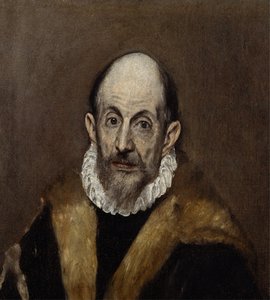
1541 - 1614 , Řecko
Explore the dramatic transition from High Renaissance harmony to Mannerist tension. Discover how masters like El Greco redefined art through distortion and spiritual intensity. An expert guide for art enthusiasts seeking deep historical context and museum-quality inspiration.

Explore the dramatic evolution of Mannerism from High Renaissance perfection to El Greco's spiritual intensity. Discover the history, techniques, and enduring legacy of this transformative era through an expert art-history lens.


Buďte na tahu s nejnovějšími novinkami ze světa umění, exkluzivními nabídkami a inspirativními nápady na dekoraci.
Sdělte nám více o svém projektu a naši odborníci na umění vám připraví 3 personalizované návrhy uměleckých děl.
Nechť pro vás vybereme 3 možnosti – zdarma!


 Náhled
 Sdílet
 Sdílet
 Podrobnosti o díle

 Stáhnout
 Podobné položky
 Rentgenové snímky
 Slideshow
 Zobrazit více







 Skleněná varianta je dostupná pouze u rozměrů menších než 110 cm


