


x

 Acrylic On CanvasWallArtCubist Abstraction
 Late Medieval
 32.0 x 45.0 cm
Giclée nebo plátěný tisk muzeální kvality s rychlou výrobou a flexibilními možnostmi povrchové úpravy. ( Přepnout na ručně malovanou reprodukci Přepnout na obrázek)





























Vyberte si z našich přednastavených velikostí, které odpovídají původním proporcím díla.

Můžete zadat vlastní rozměry tak, aby výtvor odpovídal konkrétnímu rámu nebo prostoru. Pokud zvolená velikost nebude odpovídat poměru stran původního obrazu, dílo buď ořížeme, nebo obraz rozšíříme pomocí zrcadlového efektu či jednobarevného okraje. Před zahájením výroby vám bude zaslán digitální náhled k schválení.
Mějte prosím na paměti, že náhled na obrazovce neodráží skutečné oříznutí nebo rozšíření. Pouze digitální náhled přesně zobrazí finální kompozici.
Ačkoliv jsou k dispozici i vlastní rozměry, pro zachování původních proporcí doporučujeme vybrat si rozměr z předdefinovaného seznamu.
Celosvětové doručení () do 2 týdnů namísto standardních 4/5 týdnů. (11 srpen)


The Observatory, study for the City
Rozměry reprodukce
Fernand Léger’s “The Observatory, Study for the City” isn’t merely a depiction of an architectural structure; it’s a vibrant, dynamic exploration of modernity itself. Created around 1912-13, this monochrome drawing – now meticulously reproduced on canvas – offers a compelling glimpse into the artist's pioneering approach to Cubism and his fascination with the burgeoning industrial world. It’s a work that simultaneously evokes a sense of disorientation and an underlying energy, reflecting the rapid transformations occurring in Europe at the time. Léger wasn’t simply interested in representing objects; he sought to capture their essence – their mechanical nature, their rhythmic movement – and translate it onto the canvas through a radical simplification of form.
The composition immediately commands attention with its swirling lines and intersecting planes. Forget traditional perspective; Léger abandons depth in favor of a simultaneous view, presenting multiple viewpoints within a single frame. This fragmentation isn’t chaotic, however. Instead, it creates a sense of controlled dynamism, as if the city itself is constantly shifting and evolving. The central circular form, reminiscent of an observatory dome, anchors the composition while surrounding angular structures – hinting at buildings, machinery, or perhaps even the skeletal framework of a futuristic cityscape – radiate outwards in a complex dance of geometric shapes. Notice how these forms aren’t sharply defined; they bleed into one another, creating a textured surface that invites close examination.
Executed primarily with ink or charcoal on paper – a technique that lends the reproduction its remarkable depth and tactile quality – “The Observatory” showcases Léger’s masterful control of line. Bold, angular lines define the core shapes, while subtle hatching and cross-hatching create tonal variations and suggest volume without relying on traditional shading. This deliberate use of line isn't about creating realistic outlines; it’s about conveying energy and movement through a carefully orchestrated network of marks. The monochromatic palette – shades of black, grey, and white against a creamy background – amplifies the dynamism of the composition, forcing the viewer to focus on the interplay of form and line.
Léger's approach aligns perfectly with the tenets of Cubism, but it’s distinct from Picasso or Braque. Léger wasn’t interested in dissecting objects into geometric fragments; he sought to synthesize them – to create a new visual language that captured the spirit of the machine age. The simplified forms, the emphasis on mechanical shapes, and the rejection of traditional perspective all contribute to this unique vision. The work feels both abstract and intensely observational, as if Léger is distilling the essence of urban life into its most fundamental components.
“The Observatory” isn’t simply a study for a larger work; it's a statement about the changing world. The title itself – “Observatory” – suggests a desire to understand, to analyze, and perhaps even to control the forces shaping modern society. The fragmented forms can be interpreted as representing the breakdown of traditional values and the rise of industrialization, while the dynamic composition conveys a sense of urgency and transformation. Léger’s work resonates with a feeling of both excitement and anxiety – a recognition of progress alongside a questioning of its consequences.
Interestingly, Léger's early life in rural Normandy provided a powerful contrast to the mechanized world he depicted. This juxtaposition likely informed his artistic vision, allowing him to approach modernity with a sense of detached observation and critical awareness. “The Observatory” is a testament to Léger’s ability to translate this complex experience into a visually arresting and emotionally resonant work of art.
Most-Famous-Paintings offers meticulously hand-painted reproductions of “The Observatory, Study for the City,” capturing the essence of Léger’s unique style with unparalleled detail and vibrancy. Each reproduction is created by skilled artists who understand the nuances of Léger's technique, ensuring that you receive a faithful representation of this iconic work. Whether adorning your living room, office, or studio, this reproduction will serve as a captivating reminder of Léger’s pioneering vision and his enduring legacy in the world of modern art.
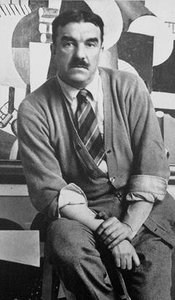
1881 - 1955 , Francie
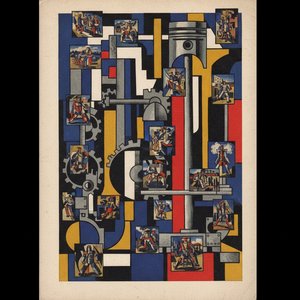
Prozkoumejte 25 ikonických děl Fernanda Légera – průkopníka kubismu a tubismu. Objevte příběhy za obrazy strojového věku, avantgardy a barevné abstrakce. Reprodukce v muzeální kvalitě na Most-Famous-Paintings.cz. Pro inspiraci i luxusní dekorace.
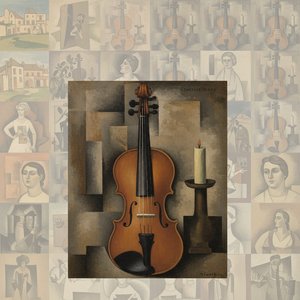
Prozkoumejte 25 ikonických děl Georges Braque, průkopníka kubismu. Objevte příběhy za obrazy, techniky a inspiraci tohoto francouzského mistra. Reprodukce obrazů v nejvyšší kvalitě na Most-Famous-Paintings.com.

Explore the evolution of geometric abstraction from Cubism to contemporary art. Discover key artists like Malevich & Mondrian, investment insights, and expert collecting advice at Most-Famous-Paintings.

Objevte 10 legendárních akrylových maleb na papíře, které změnily svět umění! Prozkoumejte příběhy slavných malířů a ikonické obrazy moderního a současného umění. Reprodukce obrazů pro váš interiér – Most-Famous-Paintings.cz

Explore the captivating world of geometric abstraction! Discover its origins, key artists like Kandinsky & Mondrian, and why this movement remains highly valued by art collectors today. Expert insights at Most-Famous-Paintings.


Buďte na tahu s nejnovějšími novinkami ze světa umění, exkluzivními nabídkami a inspirativními nápady na dekoraci.
Sdělte nám více o svém projektu a naši odborníci na umění vám připraví 3 personalizované návrhy uměleckých děl.
Nechť pro vás vybereme 3 možnosti – zdarma!


 Náhled
 Sdílet
 Sdílet
 Podrobnosti o díle

 Stáhnout
 Podobné položky
 Rentgenové snímky
 Slideshow
 Zobrazit více







 Skleněná varianta je dostupná pouze u rozměrů menších než 110 cm


