x
Giclée- oder Leinwanddruck in Museumsqualität mit schneller Produktion und flexiblen Veredelungsoptionen. ( Handgemalte Reproduktion bestellen Bild kaufen)





























Wählen Sie aus unseren vordefinierten Formaten, die den ursprünglichen Proportionen des Kunstwerks entsprechen.

Sie können Ihre eigenen Maße eingeben, um ein bestimmtes Format oder einen speziellen Platz einzupassen. Wenn das von Ihnen gewählte Format nicht den Proportionen des Originalbildes entspricht, werden wir das Kunstwerk entweder beschneiden oder das Bild mit einem gespiegelten oder einfarbigen Rand erweitern. Ein digitaler Entwurf wird Ihnen zur Genehmigung zugesandt, bevor die Produktion beginnt.
Bitte beachten Sie, dass die Vorschau auf dem Bildschirm nicht den tatsächlichen Zuschnitt oder die Erweiterung widerspiegelt. Nur der Entwurf zeigt die endgültige Komposition präzise an.
Obwohl Sondermaße verfügbar sind, empfehlen wir die Auswahl eines Maßes aus der vordefinierten Liste, um die ursprünglichen Proportionen zu bewahren.
Weltweiter Versand () innerhalb von 2 Wochen statt der üblichen 4/5 Wochen. (17 August)


Nature at Dawn
Format der Reproduktion
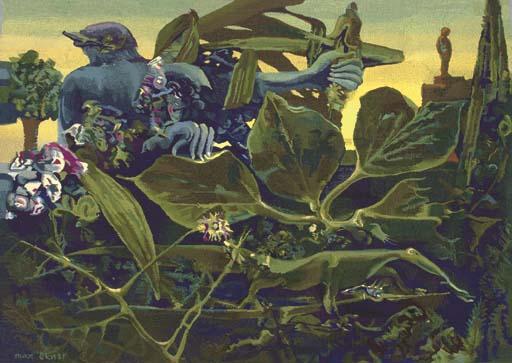
Max Ernst’s “Nature at Dawn” stands as an arresting emblem of the Surrealist movement—a visual manifesto born from a profound questioning of rationality and fueled by the enigmatic whispers of the subconscious. Painted in 1924, this masterpiece is far more than a mere depiction of a landscape bathed in nascent sunlight; it is a meticulously crafted allegory that delves into the complex themes of power, vulnerability, and the profound interconnectedness between humanity and the natural world. To gaze upon this work is to step through a portal into a realm where the boundaries between reality and dream dissolve, making it an extraordinary centerpiece for any collection dedicated to the exploration of the human psyche.
The painting’s composition presents a hauntingly beautiful scene: a solitary man perched atop a monumental statue, his form strangely integrated with the environment as plants appear to sprout from his very back. This central figure, adorned with a crown and accompanied by a watchful bird upon his shoulder, serves as the emotional anchor of the piece. As your eyes wander through the canvas, you encounter a surreal assembly of characters—some standing in quiet contemplation, others seated in stillness—surrounded by an array of unexpected objects. From delicate potted plants to enigmatic vases and a clock suspended as if defying time, every element contributes to a sense of organized chaos, inviting the viewer to lose themselves in its intricate, dreamlike logic.
Ernst’s artistic approach in this period was characterized by a deliberate embrace of chance—a rejection of traditional compositional rules in favor of spontaneous experimentation. He achieved this through a masterful technique of collage, meticulously assembling fragments of printed matter, maps, and botanical illustrations onto the canvas. These disparate elements were not merely layered; they were interwoven with such care that they created textures and patterns defying linear perspective. This method allowed Ernst to bypass conscious control, tapping into what he believed was a deeper, more authentic creative truth.
This technique serves a greater historical purpose, marking the transition from the nihilistic anti-art sentiments of Dada to the psychologically driven explorations of Surrealism. Influenced by the burgeoning field of psychoanalysis and the theories of Sigmund Freud, Ernst sought to liberate creativity from the constraints of logic. For the discerning collector or interior designer, this technical complexity offers a rich visual experience; the way light and texture interact within the reproduction provides a tactile depth that commands attention in any sophisticated setting.
The symbolism within “Nature at Dawn” is layered and deeply evocative. The monumental statue, representing authority and the weight of tradition, acts as a heavy pedestal for the man, whose posture conveys a poignant sense of vulnerability beneath the expectations of society. The presence of the bird and the burgeoning flora suggests a cycle of rebirth and the unstoppable force of nature reclaiming the man-made. It is a tension between the rigid structures of civilization and the wild, untamed impulses of life itself.
For those seeking to decorate a space with art that provokes thought and conversation, this piece offers an unparalleled emotional impact. It evokes a sense of wonder, a touch of melancholy, and a profound curiosity about the unseen forces that shape our existence. Whether placed in a quiet study or a grand living area, a high-quality reproduction of this work brings with it an aura of intellectual depth and timeless mystery, making it an essential acquisition for those who appreciate art that speaks to the soul as much as the eye.

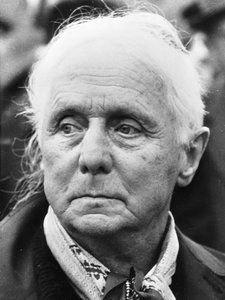
1891 - 1976 , Deutschland

Explore the profound history of sculpture, from classical realism to modern abstraction. Discover the mastery of form, texture, and medium through an expert art-historical lens designed for discerning collectors and enthusiasts.


Bleiben Sie über die neuesten Kunstnachrichten, exklusive Angebote und Dekorationsideen auf dem Laufenden.
Erzählen Sie uns von Ihrem Projekt, und unsere Kunstexperten erstellen für Sie drei personalisierte Kunstvorschläge.
Wir kuratieren 3 Optionen exklusiv für Sie – kostenlos!


 Vorschau anzeigen
 Versenden
 Teilen
 Details anzeigen

 Herunterladen
 Ähnliche Objekte
 Röntgenaufnahme
 Diashow

 Weiterlesen







 Die Glasoption ist nur für Größen unter 110 cm verfügbar.