x


 OilWallArtEarly Renaissance
 1441
1441 167.0 x 69172.0 cm
 Pinacoteca
Hand-painted oil on canvas in your size and frame, made to order by our artists.





























Pick from our preset sizes that match the artwork's original proportions.

You may enter your own dimensions to fit a specific frame or space. If your selected size does not match the original image's proportions, we will either crop the artwork or extend the painting with additional hand-painted elements. A digital mockup will be sent for your approval before production begins.
Please note that the on-screen preview does not reflect the actual cropping or extension. Only the mockup will accurately show the final composition.
While custom sizes are available, we recommend selecting a dimension from the predefined list to preserve the original proportions.
Worldwide Delivery () in 3/4 weeks instead of standard 5 weeks. (18 July). No compromise on quality.


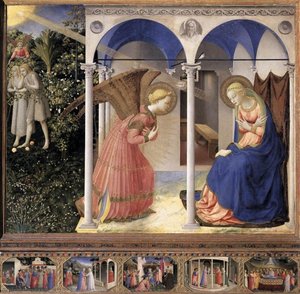
Coronation of the Virgin
Reproduction Size
Fra Filippo Lippi’s “Coronation of the Virgin,” painted in 1441 and now residing within the hallowed halls of the Pinacoteca Vaticana, is more than just a religious depiction; it's a profound meditation on faith, power, and the very essence of divine grace. This fresco, born from the crucible of Lippi’s complex life – a Carmelite friar, a rebel artist, and a man deeply entwined with Florentine society – offers a rare glimpse into the artistic sensibilities of the early Renaissance while simultaneously revealing the emotional depth and humanism that began to subtly shift within the established religious iconography of the time. The painting isn't merely a representation of a biblical event; it’s an experience, inviting the viewer into a carefully constructed world brimming with symbolic weight and exquisite detail.
The scene itself is deceptively simple: Mary, radiant in her humility, receives the crown from Jesus Christ and God the Father. Yet, within this seemingly straightforward narrative lies a meticulously orchestrated composition. Lippi masterfully employs perspective – not the mathematically precise linear perspective that would fully develop later – but rather a more intuitive approach, creating a sense of depth through careful layering of figures and architectural elements. The backdrop isn’t merely a setting; it's an architectural structure, hinting at both earthly grandeur and celestial realms. Twelve figures populate the scene, each imbued with distinct roles and gestures, contributing to the overall narrative tapestry. The arrangement is not random; it speaks to a deliberate understanding of biblical symbolism and the hierarchical order of heaven.
Filippo Lippi's workshop was renowned throughout Florence for its dedication to quality and innovation, and “Coronation of the Virgin” stands as a testament to this reputation. While he initially entered the Carmelite order seeking solace and artistic expression, his rebellious spirit and unconventional personal life led him to establish his own studio. This dual existence – a devout religious figure alongside a skilled artist – profoundly shaped his work, imbuing it with a unique blend of spiritual devotion and humanistic observation. The fresco’s vibrant colors, particularly the rich blues and purples dominating the sky, were revolutionary for the time, moving away from the traditional gold backgrounds favored in earlier depictions. This bold chromatic choice immediately draws the viewer's eye and contributes to the painting’s overall sense of dynamism.
Crucially, Lippi didn’t work alone. The fresco was a collaborative effort, involving a team of assistants – including Fra Diamante and Piero di Lorenzo – who contributed significantly to the intricate details and gilded framework (now lost). This collaborative process highlights the burgeoning artistic practices of the time, where master artists often oversaw workshops rather than working entirely independently. The presence of these collaborators also offers insight into Lippi’s own creative process; he likely utilized their skills to execute specific elements of the composition, allowing him to focus on the overall design and narrative.
Beyond its aesthetic qualities, “Coronation of the Virgin” is rich in symbolic meaning. The crown itself represents Mary’s divine status as Queen of Heaven, a concept deeply rooted in Marian theology. The figures surrounding her – angels, saints, and even a self-portrait of Lippi himself – represent the support and veneration afforded to the Virgin Mother within the Catholic faith. The inclusion of biblical figures like Saint John the Baptist and Saint Ambrose underscores the painting’s connection to established religious traditions and its intended purpose as a devotional image for the church of St. Ambrose in Florence. The depiction of Mary's humble acceptance of the crown speaks volumes about her grace and piety, embodying the core tenets of Marian devotion.
Furthermore, the fresco reflects the broader context of 15th-century Marian art, which was deeply intertwined with theological debates surrounding Mary’s role in salvation. The themes of perpetual virginity, Immaculate Conception, and Assumption into Heaven – all central to Marian doctrine – were actively promoted through devotional imagery like this one. “Coronation of the Virgin” served not only as a beautiful work of art but also as a powerful visual tool for reinforcing these theological beliefs within the Catholic community.
Today, “Coronation of the Virgin” remains a celebrated masterpiece, captivating viewers with its beauty, complexity, and profound symbolism. Most-Famous-Paintings offers meticulously crafted hand-painted reproductions that faithfully capture the essence of Lippi’s original fresco, allowing you to bring this iconic artwork into your home or office. These reproductions are created using archival-quality materials and techniques, ensuring their longevity and preserving the vibrant colors and intricate details of the original. Whether you're an art enthusiast, a collector, or simply seeking a stunning piece of decorative art, a Most-Famous-Paintings reproduction of “Coronation of the Virgin” is a timeless tribute to one of the Renaissance’s most gifted artists.


1406 - 1469 , Italy

Explore 25 breathtaking artworks by Giotto di Bondone, a Renaissance master. Discover the stories behind iconic frescoes & paintings like the Scrovegni Chapel cycle. Find museum-quality Giotto reproductions and elevate your home decor with Most-Famous-Paintings.com.

Journey through 25 iconic artworks at the Metropolitan Museum of Art! Explore Van Gogh, Monet, Rembrandt & more. Discover art history, inspiring stories, and museum-quality reproductions to elevate your home decor. Explore the full collection on Most-Famous-Paintings.com.
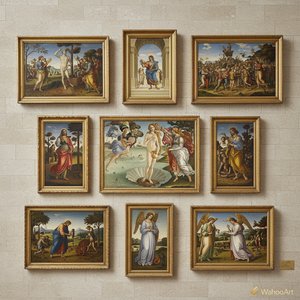
Journey through the Early Renaissance! Explore 10 iconic paintings by Botticelli, Leonardo da Vinci & Michelangelo. Discover their stories, techniques & lasting impact. Find museum-quality art reproductions and elevate your home decor with .
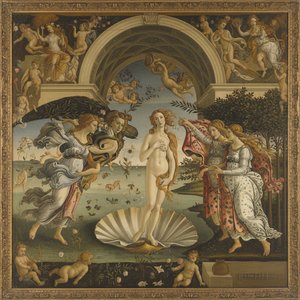
Journey through Botticelli's world with 25 iconic Renaissance paintings. Explore 'Birth of Venus,' 'Primavera,' and more—stories, techniques & timeless beauty. Find museum-quality art reproductions for your home at Most-Famous-Paintings.com.
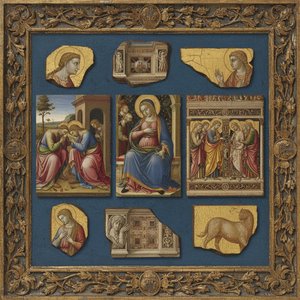
Journey back to the dawn of Renaissance art! Explore 10 iconic Proto-Renaissance masterpieces by Giotto, Cimabue & Duccio. Discover their stories, techniques & lasting impact. Find museum-quality reproductions for your home at Most-Famous-Paintings.com


Stay updated with the latest art news, exclusive offers, and decoration ideas.
Tell us about your project and our art experts will provide you with 3 personalized art suggestions.
Let Us Curate 3 Options Just for You - Free!


 Buy print
 Send
Send Share
Share
 Details

 Download
 Similars
 X-Ray
X-Ray Diaporama
 Read More







 Glass option is only available in size under 110 CM