


x

 Oil On CanvasWallArtRenaissance Mannerism
 1573
1573 76.0 x 64.0 cm
 The Louvre
Purchase a high-resolution, enhanced digital image, far superior to the online preview.
Each file is meticulously prepared by our in-house specialists using advanced tools and expert manual retouching. We ensure every image has exceptional clarity, precise color accuracy, and fine detail.
The final file is delivered via email within 72 hours, optimized for immediate use in professional, editorial, and print environments. This is the same quality trusted by top-tier design studios, publishers, and galleries.
Download a high-resolution file for personal display, printing, and creative projects. ( Buy Print Buy Hand Made Painting)
When you choose Most-Famous-Paintings.com, you're not just getting an image - you're receiving a professionally enhanced digital artwork, crafted with precision and backed by a satisfaction guarantee. Here's everything that comes with your order, automatically:

Your high-resolution digital image file will be emailed to you within 72 hours of ordering - ready for immediate use.

Your artwork is professionally optimized using advanced AI tools and manual editing, ensuring maximum detail, clarity, and color accuracy.

Accidentally deleted or lost your file? No worries - we'll resend it to you anytime, free of charge.

Enjoy your artwork instantly with zero customs, duties, or delivery fees - digital downloads are always tax-free.

We ensure your digital image reflects the original colors as closely as possible using professional tools and color management.

If you're not satisfied with your digital image, we'll revise it or refund 100% within 60 days - no questions asked.

Not satisfied? Get a full refund within 60 days of receiving your digital file - no questions asked.

Buy 3 images, save 10% - Buy 5, save 15% - Buy 10+, save 20%. Great for creative projects, galleries, and agencies.
Giuseppe Arcimboldo's "Winter," painted in 1573, isn’t merely a portrait; it’s an immersive experience. Within its meticulously constructed frame resides a man – or perhaps a composite of many men – sculpted entirely from the bounty and stark beauty of winter itself. The painting immediately arrests the eye with its audacious composition: a head formed from bare branches, frosted berries, and the ghostly suggestion of snow, all rendered in rich oils on canvas. It’s a visual paradox, simultaneously familiar and utterly alien, inviting prolonged contemplation and revealing layers of meaning with each return glance.
Arcimboldo, born in Milan in 1527, was a master of illusion and allegory, a skill honed during his service to Emperor Maximilian II. He moved beyond the traditional confines of portraiture, embracing a Mannerist style characterized by its deliberate distortion and inventive use of materials. “Winter” exemplifies this perfectly – it’s not simply a depiction of winter; it's an *embodiment* of the season, a powerful statement about nature’s resilience and the cyclical rhythms of life and death. The painting emerged from a commission intended for Elector Augustus of Saxony, reflecting the complex political landscape of 16th-century Europe where art served as both propaganda and a symbol of diplomatic relations.
Every element within “Winter” is laden with symbolic weight. The stark branches, devoid of leaves, represent the dormancy of winter, but also hint at potential renewal beneath the frozen surface. The scattered apples – a recurring motif in Arcimboldo’s work – are potent symbols of abundance, fertility, and even mortality; their ripeness juxtaposed against the coldness creates a poignant tension. The small fruits adorning the eyes and mouth aren't merely decorative; they suggest a fleeting beauty, a momentary pleasure before succumbing to the inevitable passage of time. Even the dark background serves to amplify the brilliance of the assembled elements, drawing the viewer’s attention to the intricate details and forcing them to actively engage with the composition.
Notice the careful placement of the flowers nestled amongst the branches – delicate pink blossoms offering a fragile counterpoint to the ruggedness of the winter landscape. These small touches elevate the painting beyond a simple assemblage, transforming it into a carefully orchestrated meditation on beauty and decay. The use of red fruit for the lips is particularly striking, providing a vibrant burst of color against the predominantly brown and white palette, emphasizing the vitality that persists even in the coldest months.
Arcimboldo’s technical skill is undeniable. The oil on canvas medium allowed him to achieve remarkable detail and luminosity, capturing the textures of bark, fruit, and frost with astonishing precision. Measuring 76 x 64 cm, the painting possesses an intimate scale that invites close examination – a deliberate choice by Arcimboldo to draw the viewer into his elaborate creation. The meticulous layering of paint and the careful arrangement of objects demonstrate a profound understanding of perspective and composition, hallmarks of a true master.
“Winter,” along with Arcimboldo’s other “Four Seasons” paintings, remains a testament to the artist's unique vision and his ability to transform everyday objects into extraordinary works of art. His innovative approach profoundly influenced subsequent generations of artists, paving the way for surrealist and pop-art movements. Today, these masterpieces reside in the Musée du Louvre, continuing to captivate audiences with their playful complexity and enduring beauty. A reproduction by Most-Famous-Paintings.com offers a stunning opportunity to bring this iconic image into your home or office, allowing you to appreciate Arcimboldo’s genius for years to come.

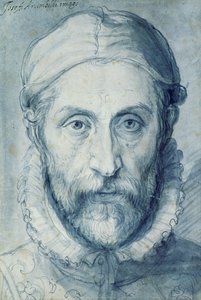
1527 - 1593 , Italy


Stay updated with the latest art news, exclusive offers, and decoration ideas.
Tell us about your project and our art experts will provide you with 3 personalized art suggestions.
Let Us Curate 3 Options Just for You - Free!


 Preview
 Send
Send Share
Share
 Details

 Download
 Similars
 X-Ray
X-Ray Diaporama
 Read More


