x


Hand-painted oil on canvas in your size and frame, made to order by our artists.





























Pick from our preset sizes that match the artwork's original proportions.

You may enter your own dimensions to fit a specific frame or space. If your selected size does not match the original image's proportions, we will either crop the artwork or extend the painting with additional hand-painted elements. A digital mockup will be sent for your approval before production begins.
Please note that the on-screen preview does not reflect the actual cropping or extension. Only the mockup will accurately show the final composition.
While custom sizes are available, we recommend selecting a dimension from the predefined list to preserve the original proportions.
Worldwide Delivery () in 3/4 weeks instead of standard 5 weeks. (18 July). No compromise on quality.


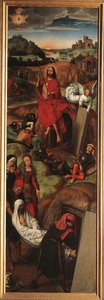
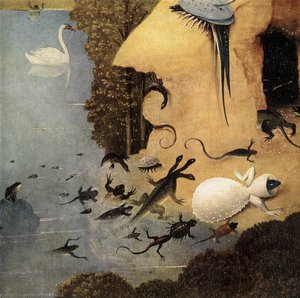
Triptych of Haywain (detail)
Reproduction Size
Hieronymus Bosch's *Triptych of Haywain*, a work shrouded in mystery and unsettling beauty, invites us to step into a world both familiar and profoundly strange. This particular detail panel offers a concentrated dose of the artist’s signature vision – a gathering of figures caught in a moment suspended between earthly revelry and impending doom. Painted around 1500, during a period of intense religious anxiety and burgeoning societal anxieties within the Netherlands, this piece isn't merely a depiction of a social scene; it’s a meticulously constructed allegory, brimming with symbolic weight and psychological depth. Bosch, already an enigma in his own time, masterfully employs a technique that blends meticulous realism with fantastical elements, creating an atmosphere of captivating unease.
The immediate impression is one of crowded intimacy. Thirteen individuals – men and women alike – occupy the space, their postures ranging from active participation to passive observation. Notice the deliberate arrangement; Bosch doesn’t simply record a gathering; he orchestrates it. Three figures brandish swords, symbols often associated with both honor and violence, hinting at potential conflict simmering beneath the surface of this seemingly convivial scene. A dining table dominates the right side of the panel, laden with food – an abundance that speaks to earthly pleasures and perhaps even excess. A single chair sits nearby, suggesting a moment of respite or contemplation, yet even here, the details are imbued with unsettling significance. The faces themselves are remarkably expressive, conveying a complex mixture of curiosity, apprehension, and something akin to morbid fascination.
Bosch's genius lies not just in his technical skill but in his profound understanding – and manipulation – of symbolism. Every element within this panel contributes to a larger narrative, drawing upon medieval folklore, religious iconography, and the artist’s own unique imagination. The presence of animals—a particularly prominent feature throughout Bosch’s work—is crucial. Observe the various creatures depicted: birds, dogs, rabbits, and even a monstrous, hybrid beast – all imbued with symbolic meaning. Animals often represented temptation, sin, or the darker aspects of human nature. The inclusion of a lute player suggests music and entertainment, but also potentially distraction from spiritual matters.
The setting itself is laden with symbolism. The haystack, central to the triptych’s title, represents fertility, abundance, and even death – a potent reminder of the cyclical nature of life and decay. The architecture, though vaguely reminiscent of a medieval interior, feels subtly distorted, contributing to the overall sense of disorientation and unease. Bosch frequently employed architectural elements to represent moral or spiritual states, and here, we see hints of both earthly comfort and impending judgment.
Bosch’s technique is remarkably sophisticated for his time. He utilized a meticulous layering of thin glazes—a method known as *sfumato* – to create an astonishingly realistic depiction of textures, fabrics, and human features. This painstaking process, combined with his use of oil paints (though the exact methods are debated), allowed him to achieve a luminous quality that belies the complexity of the composition. The detail is extraordinary; one can almost feel the roughness of the hay or the sheen of the clothing.
Furthermore, Bosch’s approach to perspective was unconventional. He often employed a flattened space, prioritizing symbolic clarity over strict adherence to realistic spatial relationships. This deliberate distortion further enhances the unsettling atmosphere of the painting, pulling the viewer into a world where conventional rules no longer apply. The use of vibrant colors – particularly reds and blues – adds to the overall intensity and contributes to the painting’s enduring power.
A reproduction of this detail from *Triptych of Haywain* offers a remarkable opportunity to experience the depth and complexity of Bosch’s vision. Most-Famous-Paintings specializes in meticulously crafted hand-painted reproductions that capture not only the visual details but also the emotional resonance of the original masterpiece. Our artists utilize archival-quality materials and techniques, ensuring that your reproduction will retain its beauty and vibrancy for generations to come. Whether you are an art collector, a design enthusiast, or simply someone captivated by Bosch’s unique world, a Most-Famous-Paintings reproduction offers a stunning way to bring this extraordinary artwork into your home or office – a window into the mind of one of history's most enigmatic and compelling artists.

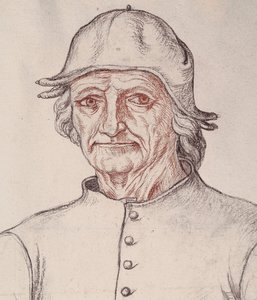
1450 - 1516 , Netherlands
Delve into the enigmatic world of Hieronymus Bosch! Explore 25 iconic paintings – from 'The Garden of Earthly Delusions' to his haunting triptychs. Discover the symbolism, history & artistry behind these Renaissance masterpieces. Find museum-quality art reproductions at Most-Famous-Paintings.com.

Explore the captivating world of Hieronymus Bosch! Delve into the symbolism, religious context, and artistic innovation of this Netherlandish master with Most-Famous-Paintings's expert analysis. Discover his iconic paintings & lasting influence.

Journey through 25 iconic Claude Monet masterpieces! Explore Impressionism’s beauty, from Water Lilies to Rouen Cathedral. Discover stunning art reproductions & curated decor ideas – explore the full collection online at Most-Famous-Paintings.com.
Journey through 25 Prado Museum masterpieces! Explore Velázquez, Goya & El Greco's iconic Spanish art. Discover the stories behind these timeless paintings and find museum-quality reproductions for your home at Most-Famous-Paintings.com.

Journey into the world of Early Netherlandish painting! Explore 10 masterpieces by Jan van Eyck, Rogier van der Weyden & more. Discover stunning detail, symbolism & Renaissance art for your home decor. Find museum-quality reproductions on Most-Famous-Paintings.com


Stay updated with the latest art news, exclusive offers, and decoration ideas.
Tell us about your project and our art experts will provide you with 3 personalized art suggestions.
Let Us Curate 3 Options Just for You - Free!


 Buy print
 Send
Send Share
Share
 Details

 Download
 Similars
 X-Ray
X-Ray Diaporama


 Read More







 Glass option is only available in size under 110 CM