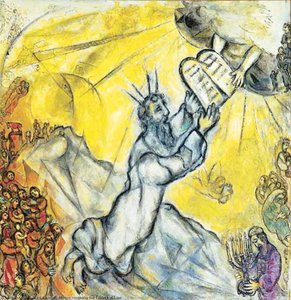
x


 Acrylic On CanvasWallArtModernist Symbolism
 1956
1956 30.0 x 25.0 cm
Hand-painted oil on canvas in your size and frame, made to order by our artists.





























Pick from our preset sizes that match the artwork's original proportions.

You may enter your own dimensions to fit a specific frame or space. If your selected size does not match the original image's proportions, we will either crop the artwork or extend the painting with additional hand-painted elements. A digital mockup will be sent for your approval before production begins.
Please note that the on-screen preview does not reflect the actual cropping or extension. Only the mockup will accurately show the final composition.
While custom sizes are available, we recommend selecting a dimension from the predefined list to preserve the original proportions.
Worldwide Delivery () in 3/4 weeks instead of standard 5 weeks. (18 July). No compromise on quality.


Jacob sees in a dream a ladder touching the sky, in which the angels of God ascending and descending (Genesis, XXVIII, 14)
Reproduction Size
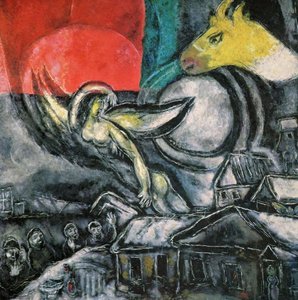
Marc Chagall's 1956 painting, "Jacob Sees in a Dream a Ladder Touching the Sky," is more than just an illustration of a biblical narrative; it’s a profound meditation on faith, memory, and the enduring power of dreams. This work, rendered in a striking black and white etching – now available as a meticulously hand-painted reproduction by Most-Famous-Paintings.com – captures a pivotal moment from Genesis: Jacob's visionary encounter with an angel ascending a ladder reaching towards heaven. It’s a scene brimming with symbolic weight, reflecting Chagall’s deeply rooted Hasidic Jewish heritage and his lifelong fascination with the mystical elements of the Old Testament.
The composition immediately draws the eye to the central figure of Jacob, depicted lying prone on the ground, seemingly lost in reverie. Above him stands an angel, not a stern or imposing deity, but a benevolent presence radiating warmth and invitation. The ladder itself – a prominent vertical element – isn’t a conventional structure; it's fluid, almost organic, suggesting a connection between earth and sky that transcends earthly limitations. The surrounding figures, including two other angels engaged in a swirling dance around the ladder, contribute to an atmosphere of dynamic movement and spiritual ascent.
Chagall’s genius lies not just in his technical skill but in his masterful deployment of symbolism. The ladder, of course, is central – representing Jacob's journey from earthly struggles to divine revelation. The seven angels ascending and descending embody the ongoing dialogue between God and humanity, a continuous flow of grace and guidance. Notice the subtle details: Jacob’s open eye suggests an active engagement with the dream, while his closed eye hints at the transformative power of this inner vision. The use of stark black and white emphasizes the painting's spiritual intensity, stripping away distractions to focus on the core narrative.
Further enriching the symbolism is the context of the Genesis story itself. Jacob’s dream precedes his encounter with God and the promise of a land for his descendants – a foundational moment in Jewish history and faith. Chagall subtly incorporates elements from other biblical narratives, such as Isaac's sacrifice and Jesus' crucifixion, creating a complex web of interconnected meanings that invite repeated contemplation. The inclusion of these references speaks to Chagall’s own spiritual journey and his belief in the enduring relevance of ancient stories.
Understanding Marc Chagall requires understanding his origins. Born Moishe Shagal in 1887 in Liozna, Belarus – a town he would always cherish as “Vitebsk” – Chagall's art is inextricably linked to this small, culturally rich community. Vitebsk’s unique blend of Russian Orthodox churches and bustling Jewish marketplaces profoundly shaped his aesthetic sensibility. This duality—the sacred and the secular, the traditional and the modern—is palpable in "Jacob’s Dream." The painting echoes the town’s vibrant atmosphere, its sense of movement and interconnectedness.
The etching technique itself – a deliberate choice by Chagall – lends a particular quality to the work. It evokes the immediacy of charcoal on paper, creating a sense of intimacy and directness. This medium perfectly complements his dreamlike imagery, capturing the ephemeral nature of visions and the artist’s intensely personal style. The hand-painted reproduction offered by Most-Famous-Paintings.com ensures that this delicate balance between technique and emotion is faithfully preserved.
Whether you're an art collector, a design enthusiast, or simply someone seeking a piece of profound beauty, a hand-painted reproduction of Marc Chagall’s "Jacob Sees in a Dream a Ladder Touching the Sky" is a remarkable addition to any space. Its evocative imagery and rich symbolism will spark conversation, inspire contemplation, and serve as a constant reminder of the enduring power of faith, memory, and the human imagination. Explore the full detail and artistry available at Most-Famous-Paintings.com – where dreams come to life.

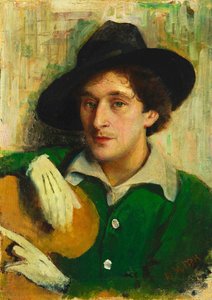
1887 - 1985 , Belarus
Journey into the dreamlike world of Marc Chagall! Explore 25 iconic paintings, from 'I and the Village' to his vibrant surrealist masterpieces. Discover the stories & techniques behind these timeless artworks – find museum-quality Chagall reproductions on Most-Famous-Paintings.com.

Explore the captivating history of angels in painting! Discover symbolism, iconic Renaissance & Byzantine masterpieces, and renowned artists. Expert insights for art lovers & collectors at Most-Famous-Paintings.

Explore the captivating history of angels in art! Discover symbolism, iconic Renaissance masterpieces & renowned artists. Expert insights for art lovers & collectors at Most-Famous-Paintings.

Explore the captivating world of dream imagery in art history & contemporary practice. Discover key artists, symbolism, investment potential & expert insights for collectors at Most-Famous-Paintings.

Explore the profound beauty of angelic figures in art history. From Renaissance masterpieces to celestial symbolism, our expert guide offers a sophisticated journey through the divine imagery of the Old Masters for discerning collectors and art enthusiasts.


Stay updated with the latest art news, exclusive offers, and decoration ideas.
Tell us about your project and our art experts will provide you with 3 personalized art suggestions.
Let Us Curate 3 Options Just for You - Free!


 Buy print
 Send
Send Share
Share
 Details

 Download
 Similars
 X-Ray
X-Ray Diaporama
 Read More







 Glass option is only available in size under 110 CM