x

 Acrylic On CanvasWallArtSurrealist Dreamscape
Surrealism
Acrylic On CanvasWallArtSurrealist Dreamscape
Surrealism 1930
1930 65.0 x 32.0 cm
Hand-painted oil on canvas in your size and frame, made to order by our artists. ( Buy Print Buy Image)





























Pick from our preset sizes that match the artwork's original proportions.

You may enter your own dimensions to fit a specific frame or space. If your selected size does not match the original image's proportions, we will either crop the artwork or extend the painting with additional hand-painted elements. A digital mockup will be sent for your approval before production begins.
Please note that the on-screen preview does not reflect the actual cropping or extension. Only the mockup will accurately show the final composition.
While custom sizes are available, we recommend selecting a dimension from the predefined list to preserve the original proportions.
Worldwide Delivery () in 3/4 weeks instead of standard 5 weeks. (12 August). No compromise on quality.


The Acrobat
Reproduction Size
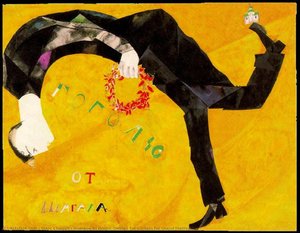
Marc Chagall’s “The Acrobat,” painted in 1930 during the height of his Surrealist experimentation, isn't merely a depiction of an acrobatic performance; it’s a profound meditation on flight, vulnerability, and the elusive nature of recollection. Created in Vitebsk, Belarus—a town deeply ingrained in Chagall’s artistic consciousness—the painting embodies the artist’s signature blend of Jewish folklore and dreamlike imagery.
Historical Context: Chagall’s artistic output coincided with the burgeoning Surrealist movement spearheaded by André Breton, reacting against rationalism and embracing the subconscious mind. Vitebsk experienced significant upheaval during this period due to pogroms (violent anti-Jewish riots), adding a layer of emotional resonance to Chagall's creative process.
Emotional Impact: “The Acrobat” evokes a sense of wonder and melancholy simultaneously. Its dreamlike atmosphere compels viewers to confront questions about identity, loss, and the transformative power of imagination. The painting's luminous colors and dynamic composition convey an urgent desire for movement—a yearning to escape limitations and embrace the boundless possibilities inherent in the human spirit.
Ultimately, Chagall’s “The Acrobat” transcends its formal elements—tempera paint, flattened perspective—to deliver an enduring message about the human condition: that even amidst darkness and uncertainty, beauty persists, fueled by the unwavering belief in dreams and the courage to embrace the unpredictable dance of life.

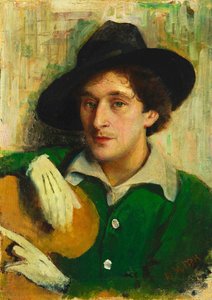
1887 - 1985 , Belarus


Stay updated with the latest art news, exclusive offers, and decoration ideas.
Tell us about your project and our art experts will provide you with 3 personalized art suggestions.
Let Us Curate 3 Options Just for You - Free!


 Preview
 Send
Send Share
Share
 Details

 Download
 Similars
 X-Ray
X-Ray Diaporama
 Read More







 Glass option is only available in size under 110 CM