x

 TemperaSurrealist Dreamscape
Surrealism
TemperaSurrealist Dreamscape
Surrealism 1962Modern
 37.0 x 27.0 cm
Museum-quality giclée or canvas print with fast production and flexible finish options. ( Buy Hand Made Painting Buy Image)





























Pick from our preset sizes that match the artwork's original proportions.

You may enter your own dimensions to fit a specific frame or space. If your selected size does not match the original image's proportions, we will either crop the artwork or extend the image with a mirrored or solid-fill edge. A digital mockup will be sent for your approval before production begins.
Please note that the on-screen preview does not reflect the actual cropping or extension. Only the mockup will accurately show the final composition.
While custom sizes are available, we recommend selecting a dimension from the predefined list to preserve the original proportions.
Worldwide Delivery () in 2 weeks instead of standard 4/5 weeks. (17 August)


The trap
Reproduction Size
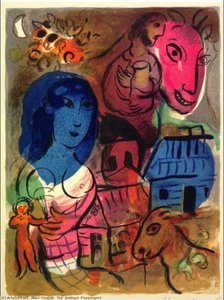
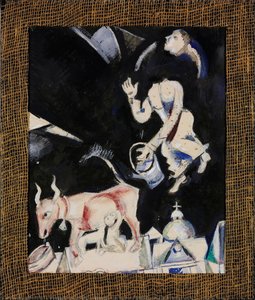
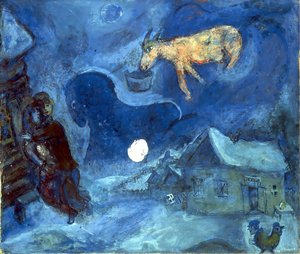
In the profound depths of Marc Chagall’s 1962 masterpiece, The Trap, viewers are invited into a realm where the boundaries between the tangible world and the ethereal dream dissolve. This painting is far more than a mere composition of pigment on canvas; it is a distilled essence of memory, emotion, and the artist’s signature ability to weave fantastical visions with grounded, poignant observation. As one gazes upon the canvas, they encounter a scene that feels both intimately personal and universally mythic. The work serves as a lyrical exploration of the human condition, capturing a delicate dance between reality and the subconscious, much like a half-remembered dream that lingers in the mind long after waking.
The composition presents a striking visual dialogue between figures and the cosmos. Two central figures, draped in vibrant hues of crimson and deep azure, stand side by side, their gazes directed upward toward an unseen celestial phenomenon. This upward movement creates a sense of yearning and spiritual aspiration. Adding to the surrealist charm is the presence of an animal figure, also adorned in red, floating near the top of the frame. The backdrop, a profound and enveloping blue, provides a nocturnal, infinite stage that allows the primary colors to pulse with life, creating a color scheme that is as much about emotional temperature as it is about visual balance.
Chagall’s approach to technique in The Trap exemplifies his mastery over the expressive potential of paint. Eschewing the rigid constraints of meticulous realism, he employs bold, swirling lines and expressive brushstrokes that imbue the canvas with a palpable, rhythmic energy. The use of tempera on canvas is particularly noteworthy here; this medium allows for a remarkable luminosity and textural depth, giving the colors a translucent quality that feels as though they are glowing from within. This technique is essential in achieving the ethereal, weightless atmosphere that characterizes his most celebrated works.
The palette is a deliberate emotional tool. Chagall utilizes a vibrant spectrum dominated by reds, blues, yellows, and greens—hues that evoke the nostalgic landscapes of his youth in Vitebsk. The intense red of the figures' garments acts as a heartbeat within the cool blue expanse, symbolizing passion, life, and perhaps the very "trap" of human emotion. For collectors and interior designers, this interplay of color offers a sophisticated focal point, capable of injecting both warmth and contemplative depth into a curated space.
To understand The Trap is to understand the resilience of the human spirit amidst displacement. Created in 1962, following Chagall’s relocation to America after escaping the horrors of Nazi persecution, the painting carries the heavy, silent echoes of loss and survival. The central motif—a stylized cage or trap—serves as a powerful symbol of both physical confinement and psychological imprisonment. It represents the anxieties surrounding mortality, the inescapable grip of fate, and the struggle to maintain one's identity when uprooted from one's homeland.
Yet, even within this theme of entrapment, there is an undeniable sense of transcendence. The upward gazes of the figures suggest a refusal to be broken by the weight of existence. This tension between the "trap" of earthly suffering and the freedom of the imagination is what makes Chagall’s work so enduringly relevant. For those seeking to acquire a high-quality reproduction of this piece, The Trap offers more than just aesthetic beauty; it provides a profound narrative of hope and the eternal human quest for meaning amidst the shadows of history.

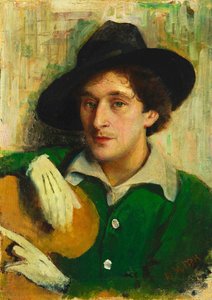
1887 - 1985 , Belarus

Explore the profound depths of Surrealism. From Dalí’s dreamscapes to Magritte’s enigmas, master the history of the subconscious mind through our expert art guide and discover museum-quality oil reproductions of the world's most iconic surrealist masterpieces.

Explore the profound depths of Surrealism through a scholarly lens. Discover the symbolism, history, and technical brilliance behind masterpieces by Salvador Dalí and other icons. Gain expert insights into the dreamlike subconscious and the enduring legacy of Surrealist art.


Stay updated with the latest art news, exclusive offers, and decoration ideas.
Tell us about your project and our art experts will provide you with 3 personalized art suggestions.
Let Us Curate 3 Options Just for You - Free!


 Preview
 Send
Send Share
Share
 Details

 Download
 Similars
 X-Ray
X-Ray Diaporama
 Read More







 Glass option is only available in size under 110 CM