x

 Oil On CanvasWallArtEarly Modernism
 1933Modern
 90.0 x 70.0 cm
Hand-painted oil on canvas in your size and frame, made to order by our artists. ( Buy Print Buy Image)





























Pick from our preset sizes that match the artwork's original proportions.

You may enter your own dimensions to fit a specific frame or space. If your selected size does not match the original image's proportions, we will either crop the artwork or extend the painting with additional hand-painted elements. A digital mockup will be sent for your approval before production begins.
Please note that the on-screen preview does not reflect the actual cropping or extension. Only the mockup will accurately show the final composition.
While custom sizes are available, we recommend selecting a dimension from the predefined list to preserve the original proportions.
Worldwide Delivery () in 3/4 weeks instead of standard 5 weeks. (19 August). No compromise on quality.


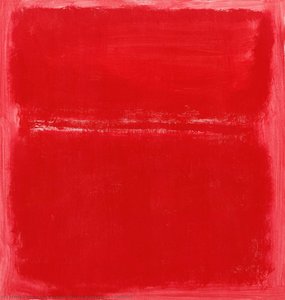
Man Smoking
Reproduction Size
In the annals of modern art, few names evoke as much profound emotion as Mark Rothko. While many remember him for his towering, luminous color fields that define Abstract Expressionism, his earlier works offer a hauntingly beautiful window into a more figurative, yet equally spiritual, era of his development. His 1933 masterpiece, Man Smoking, serves as a poignant testament to this formative period. This painting is not merely a depiction of figures; it is an exploration of the human condition, captured through a lens of early modernism and deep-seated Expressionist influence. To encounter this work is to step into a space of quiet introspection, where the boundaries between the physical subject and the emotional atmosphere begin to dissolve.
The composition of Man Smoking establishes an immediate sense of stillness. Though the title suggests a singular, perhaps casual action, the visual reality presents a much more intimate and tender scene: a woman cradling a baby. Positioned slightly off-center within a vertical orientation, this central duo creates a subtle dynamic tension that draws the viewer into their private world. In the soft shadows of the background, two other indistinct figures linger, providing a sense of depth and suggesting a larger, perhaps more complex, domestic or social narrative. This arrangement avoids rigid symmetry, opting instead for an organic flow that mirrors the unpredictable nature of memory and emotion.
Rothko’s mastery in this period lies in his ability to use color as a direct conduit to the subconscious. Eschewing vibrant or aggressive hues, he employs a restrained, earthy palette dominated by deep reds, somber browns, muted greens, and aged yellows. These colors do not sit atop one another; rather, they bleed and merge through a meticulous technique of layering thin, translucent washes. This method creates an ethereal, almost luminous quality, where the light seems to emanate from within the canvas itself. The brushstrokes are so subtle as to be nearly imperceptible, leaving behind a surface that feels smooth yet textured with the weight of accumulated layers.
This technique is essential to the painting's emotional impact. By softening edges and blurring forms, Rothko moves away from photographic accuracy toward an essence of being. The figures are rendered as masses of color and light rather than sharply defined anatomical studies. This approach allows the viewer to project their own feelings onto the canvas, making the artwork a deeply personal experience. For the collector or interior designer, this quality makes the piece incredibly versatile; it possesses a quiet gravity that can anchor a room, providing a focal point that invites contemplation without demanding attention through sheer loudness.
To truly appreciate Man Smoking, one must consider the historical and personal context of its creator. Born in Latvia as Markus Rothkowitz, Rothko’s early life was shaped by the anxieties of displacement and the cultural upheavities of a Jewish family navigating the Pale of Settlement. This sense of vulnerability and the search for stability are woven into the very fabric of the painting. The themes of maternal protection and familial connection seen in the central figures act as a counterpoint to the underlying tones of melancholy and solitude that permeate the work.
The intriguing discrepancy between the title and the visual subject—the absence of a visible man smoking—adds a layer of symbolic mystery. It invites the viewer to look beyond the literal, suggesting that the "smoking" might be a metaphor for a fleeting moment of contemplation or a lingering shadow of an absent presence. This ambiguity is where the true power of the piece resides. For those seeking to adorn their spaces with art that possesses intellectual depth and emotional resonance, a high-quality reproduction of this Rothko masterpiece offers more than just decoration; it offers a portal into the enduring human struggle for meaning amidst the shadows of existence.
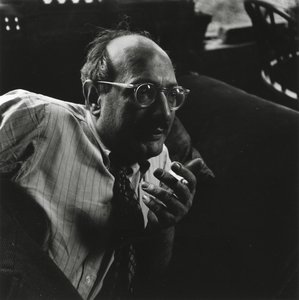
1903 - 1970 , Latvia

Explore the profound emotional depth of Color Field painting. Discover the history of mid-century abstraction, from Rothko to Newman, and learn how pure color transforms the viewer's experience through our expert art history guide.

Explore the profound emotional depth of Color Field painting. Our expert guide delves into the post-war origins of Abstract Expressionism, analyzing masterpieces by Rothko and Newman. Discover museum-grade, hand-painted oil reproductions that bring art history to your walls.

Explore the profound history and emotional depth of Color Field painting. From Mark Rothko to Barnett Newman, discover how pure color redefined modern art through our expert-led guide for students and collectors alike.

Explore the profound history and emotional depth of Abstract Expressionism. From Jackson Pollock to Mark Rothko, master the nuances of the New York School through our expert art history guide. Discover museum-quality hand-painted reproductions for your collection.
Explore the profound emotional depth of Lyrical Abstraction. Discover how masters like Raymond Parker used color and form to bridge Impressionism and Abstract Expressionism. Learn about this pivotal movement through our expert-led art history guide.


Stay updated with the latest art news, exclusive offers, and decoration ideas.
Tell us about your project and our art experts will provide you with 3 personalized art suggestions.
Let Us Curate 3 Options Just for You - Free!


 Preview
 Send
Send Share
Share
 Details

 Download
 Similars
 X-Ray
X-Ray Diaporama
 Read More







 Glass option is only available in size under 110 CM