x

Purchase a high-resolution, enhanced digital image, far superior to the online preview.
Each file is meticulously prepared by our in-house specialists using advanced tools and expert manual retouching. We ensure every image has exceptional clarity, precise color accuracy, and fine detail.
The final file is delivered via email within 72 hours, optimized for immediate use in professional, editorial, and print environments. This is the same quality trusted by top-tier design studios, publishers, and galleries.
Download a high-resolution file for personal display, printing, and creative projects. ( Switch to Print Switch to hand made Painting)
When you choose Most-Famous-Paintings.com, you're not just getting an image - you're receiving a professionally enhanced digital artwork, crafted with precision and backed by a satisfaction guarantee. Here's everything that comes with your order, automatically:

Your high-resolution digital image file will be emailed to you within 72 hours of ordering - ready for immediate use.

Your artwork is professionally optimized using advanced AI tools and manual editing, ensuring maximum detail, clarity, and color accuracy.

Accidentally deleted or lost your file? No worries - we'll resend it to you anytime, free of charge.

Enjoy your artwork instantly with zero customs, duties, or delivery fees - digital downloads are always tax-free.

We ensure your digital image reflects the original colors as closely as possible using professional tools and color management.

If you're not satisfied with your digital image, we'll revise it or refund 100% within 60 days - no questions asked.

Not satisfied? Get a full refund within 60 days of receiving your digital file - no questions asked.

Buy 3 images, save 10% - Buy 5, save 15% - Buy 10+, save 20%. Great for creative projects, galleries, and agencies.
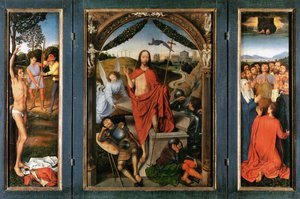
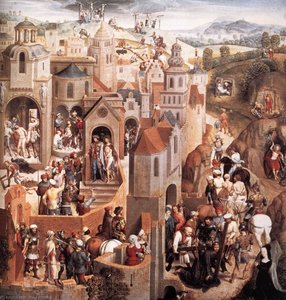
Hans Memling’s untitled work, cataloged as 3346, is a deeply moving depiction of the Crucifixion, rendered with the meticulous detail and spiritual sensitivity that define his place within the Early Netherlandish painting tradition. The scene unfolds with a quiet solemnity, centering on Christ upon the cross, not in agonizing torment, but with a serene acceptance that invites contemplation rather than despair. Surrounding him is a gathering of figures – mourners, witnesses, perhaps those complicit in his fate – each engaged in their own private grief or observation. Their postures range from kneeling reverence to somber standing, creating a dynamic yet restrained composition that draws the eye through layers of emotion and narrative.
Memling's artistry is immediately apparent in the exquisite rendering of textures and forms. He was a pioneer in the use of oil paint, allowing for an unprecedented level of detail and luminosity. Notice how light gently caresses the figures, modeling their features with subtle gradations and highlighting the rich fabrics of their garments. The artist’s skill extends to the landscape elements as well; a distant boat suggests a world continuing beyond this moment of profound sacrifice, while the presence of a horse adds a touch of earthly realism. This blending of the sacred and the mundane is characteristic of Memling's style – he grounds his religious scenes in tangible reality, making them relatable and emotionally resonant.
To understand this painting fully, we must consider its historical context. Memling flourished in Bruges during a golden age of artistic innovation. Having apprenticed under Rogier van der Weyden, he absorbed the master’s emphasis on emotional intensity and refined detail but developed his own distinctive voice – one marked by a greater clarity of form and a more lyrical quality. Bruges, as a major center of commerce and culture, attracted patrons from across Europe, fostering an environment where artistic experimentation thrived. Memling's work reflects this cosmopolitan atmosphere, blending Flemish realism with Italian Renaissance influences.
Beyond its aesthetic beauty, the painting is rich in symbolism. The angel present in the scene serves as a messenger of hope and divine intervention, offering solace amidst sorrow. The very act of depicting Christ on the cross was intended to evoke empathy and encourage devotion among viewers. The inclusion of various figures – representing different social classes and levels of faith – underscores the universality of Christ’s sacrifice. While specific interpretations may vary, the overall impression is one of profound spiritual contemplation, inviting us to reflect on themes of redemption, suffering, and hope.
Hans Memling’s “untitled (3346)” offers more than just a glimpse into art history; it provides a powerful visual statement that transcends time. A reproduction of this work would lend an air of quiet dignity and spiritual depth to any interior space, serving as a focal point for contemplation and conversation. Its harmonious composition and subtle color palette make it remarkably versatile, complementing both traditional and contemporary décor. For collectors seeking a piece with historical significance and enduring beauty, or for those simply desiring to enrich their surroundings with art that speaks to the soul, this painting is an exceptional choice.

Germany


Stay updated with the latest art news, exclusive offers, and decoration ideas.
Tell us about your project and our art experts will provide you with 3 personalized art suggestions.
Let Us Curate 3 Options Just for You - Free!


 Preview
 Send
Send Share
Share
 Details

 Download
 Similars
 X-Ray
X-Ray Diaporama

 Read More