x


Hand-painted oil on canvas in your size and frame, made to order by our artists.





























Pick from our preset sizes that match the artwork's original proportions.

You may enter your own dimensions to fit a specific frame or space. If your selected size does not match the original image's proportions, we will either crop the artwork or extend the painting with additional hand-painted elements. A digital mockup will be sent for your approval before production begins.
Please note that the on-screen preview does not reflect the actual cropping or extension. Only the mockup will accurately show the final composition.
While custom sizes are available, we recommend selecting a dimension from the predefined list to preserve the original proportions.
Worldwide Delivery () in 3/4 weeks instead of standard 5 weeks. (18 July). No compromise on quality.


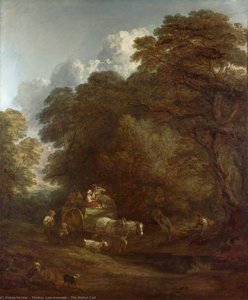
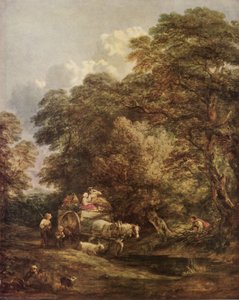
The market cart
Reproduction Size
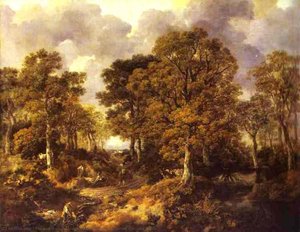
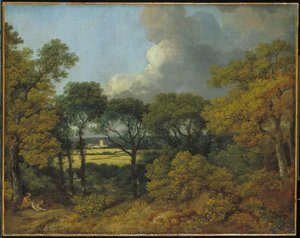
Thomas Gainsborough's "The Market Cart," painted in 1786 and currently residing within the hallowed halls of the National Gallery, isn’t merely a depiction of a rural scene; it’s a carefully constructed tableau brimming with quiet observation and subtle social commentary. The painting immediately draws the eye into a dappled woodland setting, bathed in the soft light characteristic of Gainsborough's masterful handling of naturalistic color. It’s a world rendered not with dramatic contrasts but with an exquisite sensitivity to light and shadow, creating an atmosphere of serene tranquility that belies the underlying complexities of 18th-century English life.
The composition itself is deceptively simple. Two horses, powerfully built yet possessing a gentle demeanor, stand poised near the left foreground, their presence anchoring the scene. A cow grazes peacefully in the background, a testament to the bounty of the land and a symbol of rural prosperity. Yet, it’s the three figures interacting within the frame that truly elevate the painting. One man, his face partially obscured by shadow, appears to be examining a cart laden with goods – perhaps assessing its value or simply observing the activity of the market. Another figure, slightly further to the right, seems engaged in conversation, while a third stands quietly, seemingly lost in contemplation. These figures aren’t presented as grand subjects; instead, they are ordinary people caught in an everyday moment, inviting us to consider their lives and roles within this rural community.
“The Market Cart” is a quintessential example of Gainsborough's mastery of the Rococo style, though subtly infused with the burgeoning ideals of English pastoralism. While firmly rooted in the elegance and decorative flourishes associated with Rococo – evidenced by the graceful lines of the horses and the delicate rendering of foliage – the painting avoids excessive ornamentation. Instead, it prioritizes a naturalistic approach, capturing the textures of the wood, the sheen of the animals’ coats, and the subtle variations in light and shadow. This restraint is crucial to understanding Gainsborough's artistic vision; he wasn’t simply replicating a scene but distilling its essence – the beauty and dignity inherent in the lives of ordinary people.
Gainsborough’s technique is particularly noteworthy. He employed a loose, expressive brushstroke, allowing the paint to flow across the canvas with a sense of spontaneity. This technique, combined with his meticulous attention to detail, creates an illusion of depth and movement. The dappled light filtering through the trees, for instance, isn't painted in precise detail but rather suggested through variations in tone and color, lending the scene a remarkable atmospheric quality.
Beyond its aesthetic beauty, “The Market Cart” carries significant symbolic weight. The market itself represents the economic heart of rural England – a place where goods are exchanged, fortunes are made, and social connections are forged. The presence of the animals highlights the importance of agriculture to the nation’s prosperity. However, the painting also subtly critiques the social hierarchy of the time. The figures in the scene aren't depicted as nobility or landowners; they are commoners, engaged in their daily routines. This deliberate choice underscores Gainsborough’s interest in portraying the lives of ordinary people and challenging the established conventions of portraiture.
Furthermore, the painting reflects the broader cultural anxieties of the late 18th century – a period marked by rapid social change and growing concerns about the relationship between rural and urban life. The idyllic setting of “The Market Cart” offers a nostalgic vision of a simpler time, one that contrasts sharply with the burgeoning industrial revolution and its attendant dislocations.
Most-Famous-Paintings.com is proud to offer meticulously crafted, hand-painted reproductions of Thomas Gainsborough’s “The Market Cart,” allowing art lovers worldwide to experience the profound beauty and enduring appeal of this iconic masterpiece. These reproductions capture not only the painting's visual details but also its atmospheric quality and emotional resonance. Whether adorning a grand salon or adding character to a cozy study, a reproduction of "The Market Cart" is a timeless investment in art history – a tangible connection to one of Britain’s greatest artistic treasures.


1727 - 1788 , United Kingdom

Explore the rich history & enduring techniques of oil painting with Most-Famous-Paintings. Discover masterpieces, learn about art collecting, and find authentic handmade reproductions crafted by skilled artists.
Journey through 25 iconic artworks by Paul Cézanne – a master of Impressionism and Post-Impressionism. Explore his landscapes, still lifes, and the stories behind these timeless masterpieces. Discover museum-quality reproductions & curated decor at Most-Famous-Paintings.com.
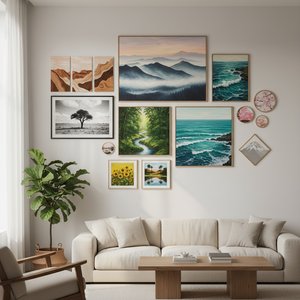
Journey through 10 breathtaking landscape paintings by Monet, Van Gogh & more! Explore iconic artworks, artistic techniques & find inspiration for your home decor. Museum-quality reproductions at Most-Famous-Paintings.com. Discover all masterpieces on Most-Famous-Paintings.com

Journey through 25 iconic Claude Monet masterpieces! Explore Impressionism’s beauty, from Water Lilies to Rouen Cathedral. Discover stunning art reproductions & curated decor ideas – explore the full collection online at Most-Famous-Paintings.com.
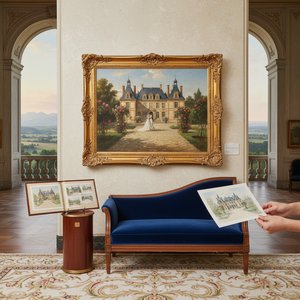
Transform your wedding venue into timeless art! Discover the beauty of bespoke paintings & commissions with 's expert artists. Create a unique, luxurious keepsake.


Stay updated with the latest art news, exclusive offers, and decoration ideas.
Tell us about your project and our art experts will provide you with 3 personalized art suggestions.
Let Us Curate 3 Options Just for You - Free!


 Buy print
 Send
Send Share
Share
 Details

 Download
 Similars
 X-Ray
X-Ray Diaporama


 Read More







 Glass option is only available in size under 110 CM