


x


Adquiera una imagen digital de alta resolución y optimizada, muy superior a la vista previa en línea.
Cada archivo es preparado meticulosamente por nuestros especialistas internos mediante el uso de herramientas avanzadas y un experto retoque manual. Nos aseguramos de que cada imagen posea una claridad excepcional, una precisión cromática impecable y un detalle minucioso.
El archivo final se entrega por correo electrónico en un plazo de 72 horas, optimizado para su uso inmediato en entornos profesionales, editoriales y de impresión. Esta es la misma calidad en la que confían los estudios de diseño, las editoriales y las galerías de primer nivel.
Descarga un archivo de alta resolución para exhibición personal, impresión y proyectos creativos. ( Switch to Print Switch to hand made Painting)
Al elegir Most-Famous-Paintings.com, no solo está adquiriendo una imagen; está recibiendo una obra de arte digital mejorada profesionalmente, elaborada con precisión y respaldada por una garantía de satisfacción. Esto es todo lo que incluye su pedido, automáticamente:

Recibirá su archivo de imagen digital en alta resolución por correo electrónico en un plazo de 72 horas tras realizar su pedido, listo para su uso inmediato.

Su obra de arte se optimiza profesionalmente mediante herramientas avanzadas de IA y edición manual, garantizando el máximo detalle, claridad y precisión cromática.

¿Has borrado o perdido tu archivo por error? No te preocupes: te lo volveremos a enviar en cualquier momento, sin coste adicional.

Disfrute de su obra de arte al instante sin aduanas, aranceles ni gastos de envío; las descargas digitales siempre están libres de impuestos.

Garantizamos que su imagen digital refleje los colores originales con la mayor fidelidad posible, mediante el uso de herramientas profesionales y gestión del color.

Si no está satisfecho con su imagen digital, la revisaremos o le reembolsaremos el 100% en un plazo de 60 días, sin preguntas.

¿No está satisfecho? Obtenga un reembolso completo dentro de los 60 días posteriores a la recepción de su archivo digital, sin preguntas.

Compra 3 imágenes, ahorra 10% - Compra 5, ahorra 15% - Compra 10+, ahorra 20%. Ideal para proyectos creativos, galerías y agencias.
Fernand Léger's "The Big Parade," painted during the vibrant and transformative period of early 20th-century modernism, is more than just a depiction of a bustling crowd; it’s a profound meditation on the relationship between humanity and industry. Emerging from the rural landscapes of Argentan, Normandy, Léger embarked on a radical artistic journey, rejecting traditional representational art in favor of a style that boldly embraced the dynamism and geometric forms of the burgeoning machine age. This large-scale canvas pulsates with energy, capturing not just a scene but an entire era’s anxieties and aspirations – a world rapidly being reshaped by steel, concrete, and relentless progress.
Léger’s artistic choices are laden with symbolic meaning. The fragmented figures aren't merely stylistic flourishes; they represent a deliberate attempt to capture the essence of modern humanity – broken down, reassembled, and ultimately integrated into the machine world. The recurring cylindrical forms—wheels, gears, pipes—are not simply decorative elements but powerful symbols of industrial power and its influence on human life. Notice how some figures seem almost mechanical in their posture, reflecting a growing sense of alienation within an increasingly industrialized society. However, amidst this apparent fragmentation, Léger also seeks to affirm the enduring spirit of humanity, suggesting that even within the constraints of modern existence, individuals can retain a sense of dignity and purpose.
"The Big Parade" is not a comfortable or sentimental work; it’s a challenging, even unsettling, portrayal of modernity. Yet, within its fractured forms and bold colors lies a profound sense of energy and optimism. Léger wasn't simply documenting the present; he was envisioning a future – one where art could embrace the complexities and contradictions of the machine age. His influence extended far beyond his own time, impacting subsequent generations of artists who sought to explore themes of technology, urban life, and the human condition. Today, “The Big Parade” continues to resonate with viewers, prompting reflection on our relationship with technology and the ever-evolving nature of society.
Artist: Fernand Léger Birth Year: 1881 Death Year: 1955
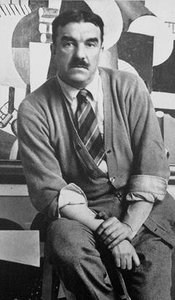
1881 - 1955 , Francia


Manténgase al día con las últimas noticias de arte, ofertas exclusivas e ideas de decoración.
Cuéntanos sobre tu proyecto y nuestros expertos en arte te ofrecerán 3 sugerencias de obras personalizadas.
Permítenos seleccionar 3 opciones solo para ti – ¡Gratis!


 Preview
 Enviar
 Compartir
 Detalles

 Descargar
 Similares
 Radiografía
 Presentación de diapositivas
 Ver más


