


x


 Preview
 Encargar reproducción Comprar imagen en alta resolución
 Enviar
 Detalles
 Añadir a favoritos
 Descargar
 Similares
 Radiografía
 Presentación de diapositivas
Impresión giclée o en lienzo de calidad de museo con producción rápida y opciones de acabado flexibles.





























Elija entre nuestros tamaños predefinidos que respetan las proporciones originales de la obra.

Puede introducir sus propias dimensiones para adaptarse a un marco o espacio específico. Si el tamaño seleccionado no coincide con las proporciones de la imagen original, recortaremos la obra de arte o extenderemos la imagen con un borde con efecto espejo o de color sólido. Se enviará una maqueta digital para su aprobación antes de que comience la producción.
Tenga en cuenta que la vista previa en pantalla no refleja el recorte o la extensión real. Solo la maqueta mostrará con precisión la composición final.
Aunque existen tamaños personalizados, recomendamos seleccionar una dimensión de la lista predefinida para preservar las proporciones originales.
Entrega mundial () en 2 semanas en lugar de las 4/5 semanas estándar. (24 julio)


The Big Parade
Tamaño de la reproducción
Fernand Léger's "The Big Parade," painted during the vibrant and transformative period of early 20th-century modernism, is more than just a depiction of a bustling crowd; it’s a profound meditation on the relationship between humanity and industry. Emerging from the rural landscapes of Argentan, Normandy, Léger embarked on a radical artistic journey, rejecting traditional representational art in favor of a style that boldly embraced the dynamism and geometric forms of the burgeoning machine age. This large-scale canvas pulsates with energy, capturing not just a scene but an entire era’s anxieties and aspirations – a world rapidly being reshaped by steel, concrete, and relentless progress.
Léger’s artistic choices are laden with symbolic meaning. The fragmented figures aren't merely stylistic flourishes; they represent a deliberate attempt to capture the essence of modern humanity – broken down, reassembled, and ultimately integrated into the machine world. The recurring cylindrical forms—wheels, gears, pipes—are not simply decorative elements but powerful symbols of industrial power and its influence on human life. Notice how some figures seem almost mechanical in their posture, reflecting a growing sense of alienation within an increasingly industrialized society. However, amidst this apparent fragmentation, Léger also seeks to affirm the enduring spirit of humanity, suggesting that even within the constraints of modern existence, individuals can retain a sense of dignity and purpose.
"The Big Parade" is not a comfortable or sentimental work; it’s a challenging, even unsettling, portrayal of modernity. Yet, within its fractured forms and bold colors lies a profound sense of energy and optimism. Léger wasn't simply documenting the present; he was envisioning a future – one where art could embrace the complexities and contradictions of the machine age. His influence extended far beyond his own time, impacting subsequent generations of artists who sought to explore themes of technology, urban life, and the human condition. Today, “The Big Parade” continues to resonate with viewers, prompting reflection on our relationship with technology and the ever-evolving nature of society.
Artist: Fernand Léger Birth Year: 1881 Death Year: 1955
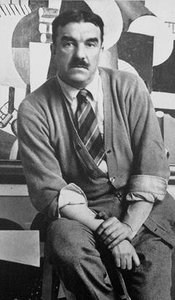
1881 - 1955 , Francia
Descubre las 25 obras maestras de Joan Miró, el genio del surrealismo catalán. Explora su arte abstracto, colores vibrantes y la historia detrás de cada cuadro. Reproducciones de alta calidad en Most-Famous-Paintings.com para transformar tu hogar con arte original.
Descubre los 10 lienzos cubistas que revolucionaron el arte moderno. Explora la historia de Picasso, Braque y otros maestros del cubismo en . Reproducciones de alta calidad para tu hogar.

Descubre los 10 lienzos cubistas más influyentes de Picasso, Braque y otros maestros. Explora la historia, técnica y significado del movimiento artístico que revolucionó el arte moderno. Reproducciones de alta calidad en Most-Famous-Paintings.com.

Descubre cómo integrar la innovadora estética cubista en el diseño de villas modernas. Guía experta con consejos prácticos, consideraciones legales y ejemplos inspiradores para crear espacios únicos y sofisticados.

Descubre los 10 retratos cubistas esenciales de Picasso, Braque y otros maestros. Explora la historia, técnica y significado de este revolucionario movimiento artístico. Encuentra reproducciones de arte exclusivas en Most-Famous-Paintings.com.


Manténgase al día con las últimas noticias de arte, ofertas exclusivas e ideas de decoración.
Cuéntanos sobre tu proyecto y nuestros expertos en arte te ofrecerán 3 sugerencias de obras personalizadas.
Permítenos seleccionar 3 opciones solo para ti – ¡Gratis!


 Compartir


 Ver más







 La opción de vidrio solo está disponible en tamaños inferiores a 110 cm.


