x

Impresiones giclée o en lienzo de calidad de museo con producción rápida y opciones de acabado flexibles. ( Encargar reproducción pintada a mano Comprar descarga)





























Elija entre nuestros tamaños predefinidos que respetan las proporciones originales de la obra.

Puede introducir sus propias dimensiones para adaptarse a un marco o espacio específico. Si el tamaño seleccionado no coincide con las proporciones de la imagen original, recortaremos la obra de arte o extenderemos la imagen con un borde con efecto espejo o de color sólido. Se enviará una maqueta digital para su aprobación antes de que comience la producción.
Tenga en cuenta que la vista previa en pantalla no refleja el recorte o la extensión real. Solo la maqueta mostrará con precisión la composición final.
Aunque existen tamaños personalizados, recomendamos seleccionar una dimensión de la lista predefinida para preservar las proporciones originales.
Envío a todo el mundo () en 2 semanas en lugar de las 4/5 semanas estándar. (20 agosto)


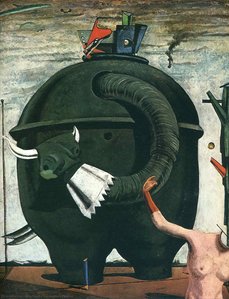
Le facteur Cheval
Tamaño de la reproducción
Max Ernst’s “Le Facteur Cheval” (The Postman Cheval) is not merely a depiction of a man constructed from disparate objects; it’s an invitation to delve into the subconscious, a meditation on identity, and a testament to the power of artistic obsession. Painted in 1920, this enigmatic work exemplifies Ernst's pivotal role within the Surrealist movement, showcasing his unique approach to challenging conventional perceptions of reality. The painting immediately captivates with its bizarre yet strangely compelling composition – a solitary figure seemingly assembled from a collection of meticulously arranged objects: a clock face, a luminous moon, a blushing apple, and a delicate bird, all contributing to a tableau that defies easy interpretation.
The seemingly random arrangement of objects within “Le Facteur Cheval” is laden with symbolic meaning. The clock face, a recurring motif in Ernst’s work, represents time, memory, and the relentless march of existence. The moon, often associated with the subconscious and intuition, adds an element of mystery and dreamlike quality. The apple, a traditional symbol of temptation and knowledge, hints at forbidden desires and hidden truths. The bird, fragile and delicate, could represent freedom or vulnerability. These elements coalesce to create a powerful visual metaphor for the fragmented nature of identity and the struggle to find meaning in a chaotic world.
Ernst’s technique in “Le Facteur Cheval” is characterized by meticulous detail and a masterful use of color. The blue background serves not merely as a backdrop but actively contributes to the painting’s unsettling atmosphere, enhancing the sense of disorientation and dreamlike quality. His application of paint – often employing techniques borrowed from woodcuts and engravings – creates a textured surface that adds to the work's tactile appeal. Ernst was a pioneer in exploring collage and assemblage within his paintings, foreshadowing later developments in Pop Art and Conceptual Art. The painting’s fragmented composition reflects Ernst’s interest in dismantling traditional representational forms and challenging viewers to actively engage with the artwork.
"Le Facteur Cheval" continues to resonate with audiences today because of its profound exploration of fundamental human concerns: identity, perception, and the search for meaning. It’s a work that demands contemplation, inviting viewers to confront their own subconscious desires and anxieties. As a key example of Surrealist art, it demonstrates Ernst's ability to create visually arresting and intellectually stimulating works that remain relevant in the 21st century. This painting is more than just an image; it’s a portal into the mind of one of the most innovative artists of the 20th century.

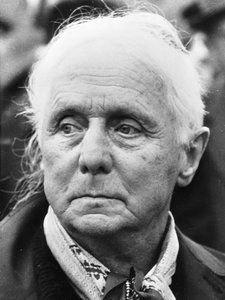
1891 - 1976 , Alemania

Explore the profound history and technical mastery of woodcut relief printing. From ancient origins to German Expressionism, discover how artists use the subtractive process to create iconic works. A definitive guide for art students, collectors, and historians.

Discover the technical mastery behind Most-Famous-Paintings.com's premium Giclée canvas prints. Our guide for elite collectors explores archival pigment inks, museum-grade substrates, and the science of high-fidelity reproduction to ensure lasting beauty and historical accuracy.

Discover the science behind museum-quality Giclée prints. Learn how archival pigment inks, 12-color precision, and museum-grade substrates create high-fidelity art reproductions designed to preserve the soul of historical masterpieces for generations.


Manténgase al día con las últimas noticias de arte, ofertas exclusivas e ideas de decoración.
Cuéntanos sobre tu proyecto y nuestros expertos en arte te ofrecerán 3 sugerencias de obras personalizadas.
Dejamos que nosotros seleccionemos 3 opciones exclusivas para ti – ¡Gratis!


 Vista previa
 Compartir
 Compartir
 Ver detalles

 Descargar
 Ver similares
 Radiografía
 Presentación de diapositivas

 Leer más







 La opción de vidrio solo está disponible en tamaños inferiores a 110 cm.