x

 Acrylic On CanvasWallArtBaroque
 1597Renaissance
 60.0 x 55.0 cm
Meie kunstnike poolt tellimusel valmistatud käsitsi maalitud õli-kainaste teos teie soovitud suuruses ja raamis. ( Osta print Osta pilt)





























Vali meie eelmääratud suurused, mis vastavad teose algupärastele proportsioonidele.

Sa võite sisestada oma mõõtmed konkreetse raami või ruumi sobivuse tagamiseks. Kui teie valitud suurus ei vasta originaalpildi proportsioonidele, siis kärvime kunstiteost või laiendame maali täiendavate käsitsi maalitud elementidega. Enne tootmise algust saadetakse teile heakskiitmiseks digitaalne eelvaade.
Palun pidage meeles, et ekraanil kuvatav eelvaade ei kajasta tegelikku kärpimist või laiendamist. Ainult eelvaade näitab täpselt lõplikku kompositsiooni.
Kuigi on saadaval kohandatud suurused, soovitame originaalproportsioonide säilimiseks valida mõõdud eelmääratletud nimekirjast.
Maailmline tarne 3–4 nädala jooksul tavalise 5 nädala asemel. (19 august). Kvaliteedis kompromisse ei tehta.


Medusa
Reproduktsiooni suurus
Caravaggio's Medusa, painted in 1597, is a chilling and captivating work that exemplifies the dramatic intensity of the Baroque period. Housed within the Uffizi Gallery in Florence, Italy, this oil on canvas (60 x 55 cm) depicts the mythological Gorgon Medusa after her decapitation by Perseus. More than just a depiction of a monster, it's considered by many to be a profound self-portrait and a meditation on mortality, violence, and artistic creation.
Caravaggio (Michelangelo Merisi) was a revolutionary figure in the late 16th and early 17th centuries. Emerging as a response to the Renaissance's emphasis on idealized beauty, the Baroque style embraced drama, emotion, and realism. Caravaggio’s signature technique, chiaroscuro – the stark contrast between light and shadow – is central to this work. He didn't rely on gradual shading; instead, he used intense pools of light illuminating specific areas while plunging others into deep darkness. This heightened the emotional impact and created a sense of immediacy that was unprecedented at the time. His influence extended to artists like Peter Paul Rubens and Jusepe de Ribera, shaping the course of Western art.
The painting presents a close-up view of Medusa’s severed head. Her face is contorted in a scream of agony, her mouth agape, revealing a visceral sense of horror and pain. The snakes that once formed her hair writhe around her head, some near her eyes and others closer to her mouth, adding to the unsettling effect. The circular background isolates Medusa’s head, intensifying the focus on her expression and the gruesome details of her decapitation. What is particularly striking is the realism with which Caravaggio renders the blood flowing from the severed neck and the intricate details of her facial features – a testament to his mastery of observation and execution. The painting was executed on a convex shield, adding another layer of complexity to its composition and visual impact.
Beyond the mythological narrative, Medusa is widely interpreted as a self-portrait by Caravaggio. Art historians believe he used his own features for Medusa’s face, imbuing the painting with a deeply personal dimension. This interpretation suggests that Caravaggio was exploring themes of mortality and artistic vulnerability. The act of depicting himself in such a gruesome form could be seen as an acknowledgement of the artist's own struggles and perhaps even a premonition of his turbulent life and early death. The shield itself, referencing Perseus’s protective device, might symbolize the artist’s attempt to confront and control the darker aspects of human nature and his own creative process.
Caravaggio's impact on art history is undeniable. His innovative use of chiaroscuro and his commitment to realism transformed painting, influencing generations of artists. Beyond Medusa, other notable works by Caravaggio include Bacchus, a depiction of the Roman god reclining in classical fashion, and The Sacrifice of Isaac, another dramatic exploration of biblical narrative through light and shadow. These works, like Medusa, demonstrate his ability to capture raw emotion and human drama with unparalleled intensity.

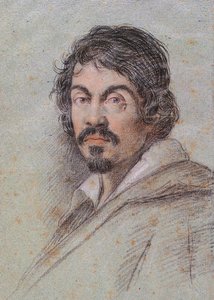
1571 - 1610 , Hispaania
Sukeldu baroki maailma! Avasta 10 meistriteost, mis defineerisid kunstivoolu – Rembrandt, Caravaggio jt. Loe lugusid, vaata värve ja naudi ajatu ilu. Leia inspiratsiooni interjööriks Most-Famous-Paintings.com-ist!

Embark on a sophisticated journey through Italian Baroque art. Discover the dramatic interplay of light and emotion in Caravaggio’s masterpieces and explore how to bring this timeless grandeur into your collection with expert art insights.

Explore the dramatic world of Baroque art! Discover iconic masters like Caravaggio & Rembrandt, their techniques, and the movement's lasting impact. Expert insights for collectors & enthusiasts at Most-Famous-Paintings.

Explore the revolutionary realism of Caravaggio! Discover his mastery of light & shadow (tenebrism), dramatic religious scenes, and lasting influence on Baroque art history. A comprehensive guide for art enthusiasts.

Explore the dramatic world of Baroque art! Discover iconic artists like Caravaggio & Rubens, defining techniques, and its lasting impact on art history. Expert insights for collectors & enthusiasts at Most-Famous-Paintings.


Püsige kursis viimaste kunstiuudistega, eksklusiivsete pakkumistega ja sisustamisideetega.
Kirjeldage meile oma projekti ja meie kunstieksperdid pakuvad teile 3 isikupärast kunstiettepanekut.
Laske meil koostada just teile mõeldud 3 valikut – tasuta!


 Eelvaade
 Saada
Saada Jaga
Jaga
 Teave teose kohta

 Laadi alla
 Sarnased teosed
 Röntgenuuring
 Slaidietendus
 Loe lähemalt







 Klaasivalik on saadaval ainult suuruses kuni 110 cm