


x

 Acrylic On CanvasWallArtBaroque
 1597Renaissance
 60.0 x 55.0 cm
Ostke kõrglahutusel ja täiustatud digitaalne pilt, mis on oluliselt parem kui veebilehel näidatud eelvaade.
Iga fail on meie spetsialistide poolt hoolikalt ette valmistatud, kasutades kaasaegseid tööriistu ja professionaalset käsitsi retušeerimist. Tagame, et igal pildil on erakordne selgus, täpne värvitäpsus ja peen detail.
Lõplik fail saadetakse e-posti teel 72 tunni jooksul, olles optimeeritud koheseks kasutamiseks professionaalsetes, toimetuslikes ja trüki keskkondades. See on sama kvaliteet, mida usaldavad tipptasemel disainistuudiod, kirjastused ja galeriid.
Laadi alla kõrge resolutsiooniga fail isiklikuks vaatamiseks, trükkimiseks ja loomingulisteks projektideks. ( Osta print Osta käsitsi maalitud maal)
Valides Most-Famous-Paintings.com, ei saa sa lihtsalt pilti – saad professionaalselt parandatud digitaalse teose, mida on valmistatud täpsusega ja mis on toetatud rahuldamatusgarantiiga. Siin on kõik, mis sinu tellimusega automaatselt kaasneb:

Teie kõrge resolutsiooniga digitaalne pildifail saadetakse teile e-posti 72 tunni jooksul pärast tellimist – kohe kasutamiseks valmis.

Teie teos on professionaalselt optimeeritud arenenud tehisintellekti tööriistade ja käsitsi redigeerimise abil, tagades maksimaalse detailitaseme, selguse ja värvitäpsuse.

Kas kustutasid faili kogukalu unustamisel või kustutamisel? Puudub mure – saad selle uuesti igal ajal ilma lisatasuta.

Nautige oma teoseid koheselt ilma tolli-, maksude või tarnimaskuludeta – digiletchargused on alati maksuvabadud.

Me tagame, et teie digitaalne pilt kajastaks originaali värve professionaalsete tööriistade ja värvihalduse abil võimalikult täpselt.

Kui te ei ole oma digipildiga rahul, parandame seda või tagastame 100% summast 60 päeva jooksul – küsimusi ei esita.

Ei ole rahul? Saate täielise tagastaja 60 päeva jooksul pärast digitaalse faili kättesaamist – küsimata.

Osta 3 pilti, säästa 10% - Osta 5, säästa 15% - Osta 10+, säästa 20%. Sobib suurepäraselt loomingulisteks projektideks, galeriideks ja agentuurideks.
Caravaggio's Medusa, painted in 1597, is a chilling and captivating work that exemplifies the dramatic intensity of the Baroque period. Housed within the Uffizi Gallery in Florence, Italy, this oil on canvas (60 x 55 cm) depicts the mythological Gorgon Medusa after her decapitation by Perseus. More than just a depiction of a monster, it's considered by many to be a profound self-portrait and a meditation on mortality, violence, and artistic creation.
Caravaggio (Michelangelo Merisi) was a revolutionary figure in the late 16th and early 17th centuries. Emerging as a response to the Renaissance's emphasis on idealized beauty, the Baroque style embraced drama, emotion, and realism. Caravaggio’s signature technique, chiaroscuro – the stark contrast between light and shadow – is central to this work. He didn't rely on gradual shading; instead, he used intense pools of light illuminating specific areas while plunging others into deep darkness. This heightened the emotional impact and created a sense of immediacy that was unprecedented at the time. His influence extended to artists like Peter Paul Rubens and Jusepe de Ribera, shaping the course of Western art.
The painting presents a close-up view of Medusa’s severed head. Her face is contorted in a scream of agony, her mouth agape, revealing a visceral sense of horror and pain. The snakes that once formed her hair writhe around her head, some near her eyes and others closer to her mouth, adding to the unsettling effect. The circular background isolates Medusa’s head, intensifying the focus on her expression and the gruesome details of her decapitation. What is particularly striking is the realism with which Caravaggio renders the blood flowing from the severed neck and the intricate details of her facial features – a testament to his mastery of observation and execution. The painting was executed on a convex shield, adding another layer of complexity to its composition and visual impact.
Beyond the mythological narrative, Medusa is widely interpreted as a self-portrait by Caravaggio. Art historians believe he used his own features for Medusa’s face, imbuing the painting with a deeply personal dimension. This interpretation suggests that Caravaggio was exploring themes of mortality and artistic vulnerability. The act of depicting himself in such a gruesome form could be seen as an acknowledgement of the artist's own struggles and perhaps even a premonition of his turbulent life and early death. The shield itself, referencing Perseus’s protective device, might symbolize the artist’s attempt to confront and control the darker aspects of human nature and his own creative process.
Caravaggio's impact on art history is undeniable. His innovative use of chiaroscuro and his commitment to realism transformed painting, influencing generations of artists. Beyond Medusa, other notable works by Caravaggio include Bacchus, a depiction of the Roman god reclining in classical fashion, and The Sacrifice of Isaac, another dramatic exploration of biblical narrative through light and shadow. These works, like Medusa, demonstrate his ability to capture raw emotion and human drama with unparalleled intensity.

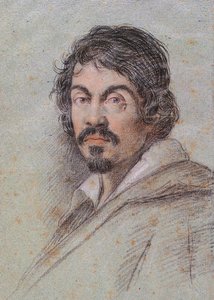
1571 - 1610 , Hispaania


Püsige kursis viimaste kunstiuudistega, eksklusiivsete pakkumistega ja sisustamisideetega.
Kirjeldage meile oma projekti ja meie kunstieksperdid pakuvad teile 3 isikupärast kunstiettepanekut.
Laske meil koostada just teile mõeldud 3 valikut – tasuta!


 Eelvaade
 Saada
Saada Jaga
Jaga
 Teave teose kohta

 Laadi alla
 Sarnased teosed
 Röntgenuuring
 Slaidietendus
 Loe lähemalt


