x

Meie kunstnike poolt tellimusel valmistatud käsitsi maalitud õli-kainaste teos teie soovitud suuruses ja raamis. ( Osta print Osta pilt)





























Vali meie eelmääratud suurused, mis vastavad teose algupärastele proportsioonidele.

Sa võite sisestada oma mõõtmed konkreetse raami või ruumi sobivuse tagamiseks. Kui teie valitud suurus ei vasta originaalpildi proportsioonidele, siis kärvime kunstiteost või laiendame maali täiendavate käsitsi maalitud elementidega. Enne tootmise algust saadetakse teile heakskiitmiseks digitaalne eelvaade.
Palun pidage meeles, et ekraanil kuvatav eelvaade ei kajasta tegelikku kärpimist või laiendamist. Ainult eelvaade näitab täpselt lõplikku kompositsiooni.
Kuigi on saadaval kohandatud suurused, soovitame originaalproportsioonide säilimiseks valida mõõdud eelmääratletud nimekirjast.
Maailmline tarne 3–4 nädala jooksul tavalise 5 nädala asemel. (15 august). Kvaliteedis kompromisse ei tehta.


Judith01
Reproduktsiooni suurus
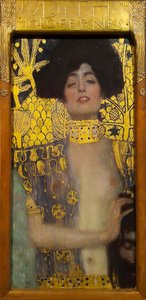
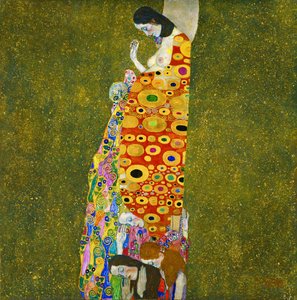
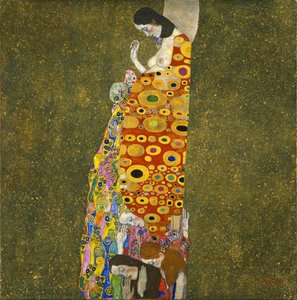
Gustav Klimt's 1901 painting, *Judith I*, isn’t merely a depiction of a biblical scene; it’s an immersion into the heart of Viennese Symbolism, a potent blend of eroticism, psychological depth, and opulent artistry. Far removed from the traditional heroic portrayals of Judith slaying Holofernes, Klimt presents us with a woman consumed by a complex interplay of triumph, vulnerability, and perhaps even a touch of unsettling allure. This isn’t a victory parade; it's a moment suspended in time, pregnant with unspoken narratives and shadowed emotions.
The genesis of this arresting image lies within Klimt’s fascination with the female form – a recurring motif throughout his oeuvre. He deliberately eschewed conventional narrative, instead focusing on capturing the essence of Judith herself. The painting is less about the act of decapitation and more about the aftermath: the woman holding the severed head, her gaze locked in an intense dialogue with the viewer. This directness, this refusal to shy away from confronting the audience, was revolutionary for its time and immediately sparked controversy within Viennese artistic circles.
Klimt’s style is instantly recognizable – a masterful synthesis of influences ranging from Japanese woodblock prints to the decorative arts. *Judith I* exemplifies his “golden phase,” characterized by lavish use of gold leaf, intricate patterns, and flowing lines that evoke both sensuality and spirituality. The painting's surface shimmers with an almost otherworldly radiance, drawing the eye into a world of rich textures and symbolic details. This technique wasn’t simply decorative; it was integral to Klimt’s exploration of themes like beauty, desire, and mortality.
The composition itself is meticulously constructed. The swirling patterns in the background – reminiscent of Byzantine mosaics and Islamic textiles – create a sense of dynamism and movement, mirroring the turmoil within Judith's psyche. These intricate designs aren’t merely ornamental; they serve as visual metaphors for the complexities of human experience, hinting at hidden desires and unresolved conflicts.
At the heart of the painting is Judith herself – a figure both powerful and vulnerable. Her posture exudes confidence, her gaze unwavering, yet there’s an undeniable fragility in her expression. The heavy gold choker that encircles her neck isn't just jewelry; it’s a symbol of her victory, but also a visual reminder of the price she has paid. The dark fabric draped around her body creates a sense of mystery and concealment, while simultaneously highlighting her form.
Notice the subtle details: the slight curve of her lips, the delicate shading on her face, the way her hand gently rests upon the head of Holofernes. These are not gestures of triumph; they’re expressions of contemplation, perhaps even regret. Klimt masterfully avoids sentimentality, allowing the viewer to interpret Judith's emotions for themselves.
*Judith I* is rich in symbolic meaning. The severed head itself represents both victory and loss – a testament to Judith’s courage but also a reminder of the violence inherent in her actions. The gold leaf, a signature element of Klimt's work, symbolizes divinity, wealth, and immortality. The painting has been interpreted as an allegory for female empowerment, a meditation on desire and sacrifice, or simply a profound exploration of the human condition.
Today, *Judith I* remains one of Klimt’s most celebrated works, captivating audiences with its arresting beauty and psychological depth. It's a painting that invites contemplation, challenging viewers to confront uncomfortable truths about power, desire, and the complexities of human experience. Reproductions offer a chance to bring this extraordinary artwork into your own space, allowing you to immerse yourself in Klimt’s visionary world.

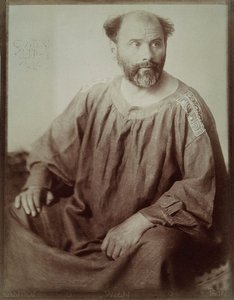
1862 - 1918 , Austria

Explore the profound impact of the Vienna Secession movement. Discover how visionaries like Gustav Klimt revolutionized modern art through symbolism, gold leaf, and the concept of Gesamtkunstwerk in this expert-led historical guide.


Püsige kursis viimaste kunstiuudistega, eksklusiivsete pakkumistega ja sisustamisideetega.
Kirjeldage meile oma projekti ja meie kunstieksperdid pakuvad teile 3 isikupärast kunstiettepanekut.
Laske meil koostada just teile mõeldud 3 valikut – tasuta!


 Eelvaade
 Saada
Saada Jaga
Jaga
 Teave teose kohta

 Laadi alla
 Sarnased teosed
 Röntgenuuring
 Slaidietendus

 Loe lähemalt







 Klaasivalik on saadaval ainult suuruses kuni 110 cm