x

Ostke kõrglahutusel ja täiustatud digitaalne pilt, mis on oluliselt parem kui veebilehel näidatud eelvaade.
Iga fail on meie spetsialistide poolt hoolikalt ette valmistatud, kasutades kaasaegseid tööriistu ja professionaalset käsitsi retušeerimist. Tagame, et igal pildil on erakordne selgus, täpne värvitäpsus ja peen detail.
Lõplik fail saadetakse e-posti teel 72 tunni jooksul, olles optimeeritud koheseks kasutamiseks professionaalsetes, toimetuslikes ja trüki keskkondades. See on sama kvaliteet, mida usaldavad tipptasemel disainistuudiod, kirjastused ja galeriid.
Laadi alla kõrge resolutsiooniga fail isiklikuks vaatamiseks, trükkimiseks ja loomingulisteks projektideks. ( Osta print Osta käsitsi maalitud maal)
Valides Most-Famous-Paintings.com, ei saa sa lihtsalt pilti – saad professionaalselt parandatud digitaalse teose, mida on valmistatud täpsusega ja mis on toetatud rahuldamatusgarantiiga. Siin on kõik, mis sinu tellimusega automaatselt kaasneb:

Teie kõrge resolutsiooniga digitaalne pildifail saadetakse teile e-posti 72 tunni jooksul pärast tellimist – kohe kasutamiseks valmis.

Teie teos on professionaalselt optimeeritud arenenud tehisintellekti tööriistade ja käsitsi redigeerimise abil, tagades maksimaalse detailitaseme, selguse ja värvitäpsuse.

Kas kustutasid faili kogukalu unustamisel või kustutamisel? Puudub mure – saad selle uuesti igal ajal ilma lisatasuta.

Nautige oma teoseid koheselt ilma tolli-, maksude või tarnimaskuludeta – digiletchargused on alati maksuvabadud.

Me tagame, et teie digitaalne pilt kajastaks originaali värve professionaalsete tööriistade ja värvihalduse abil võimalikult täpselt.

Kui te ei ole oma digipildiga rahul, parandame seda või tagastame 100% summast 60 päeva jooksul – küsimusi ei esita.

Ei ole rahul? Saate täielise tagastaja 60 päeva jooksul pärast digitaalse faili kättesaamist – küsimata.

Osta 3 pilti, säästa 10% - Osta 5, säästa 15% - Osta 10+, säästa 20%. Sobib suurepäraselt loomingulisteks projektideks, galeriideks ja agentuurideks.
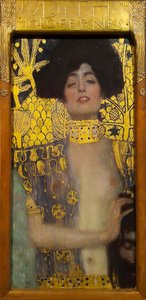
Gustav Klimt's 1901 painting, *Judith I*, isn’t merely a depiction of a biblical scene; it’s an immersion into the heart of Viennese Symbolism, a potent blend of eroticism, psychological depth, and opulent artistry. Far removed from the traditional heroic portrayals of Judith slaying Holofernes, Klimt presents us with a woman consumed by a complex interplay of triumph, vulnerability, and perhaps even a touch of unsettling allure. This isn’t a victory parade; it's a moment suspended in time, pregnant with unspoken narratives and shadowed emotions.
The genesis of this arresting image lies within Klimt’s fascination with the female form – a recurring motif throughout his oeuvre. He deliberately eschewed conventional narrative, instead focusing on capturing the essence of Judith herself. The painting is less about the act of decapitation and more about the aftermath: the woman holding the severed head, her gaze locked in an intense dialogue with the viewer. This directness, this refusal to shy away from confronting the audience, was revolutionary for its time and immediately sparked controversy within Viennese artistic circles.
Klimt’s style is instantly recognizable – a masterful synthesis of influences ranging from Japanese woodblock prints to the decorative arts. *Judith I* exemplifies his “golden phase,” characterized by lavish use of gold leaf, intricate patterns, and flowing lines that evoke both sensuality and spirituality. The painting's surface shimmers with an almost otherworldly radiance, drawing the eye into a world of rich textures and symbolic details. This technique wasn’t simply decorative; it was integral to Klimt’s exploration of themes like beauty, desire, and mortality.
The composition itself is meticulously constructed. The swirling patterns in the background – reminiscent of Byzantine mosaics and Islamic textiles – create a sense of dynamism and movement, mirroring the turmoil within Judith's psyche. These intricate designs aren’t merely ornamental; they serve as visual metaphors for the complexities of human experience, hinting at hidden desires and unresolved conflicts.
At the heart of the painting is Judith herself – a figure both powerful and vulnerable. Her posture exudes confidence, her gaze unwavering, yet there’s an undeniable fragility in her expression. The heavy gold choker that encircles her neck isn't just jewelry; it’s a symbol of her victory, but also a visual reminder of the price she has paid. The dark fabric draped around her body creates a sense of mystery and concealment, while simultaneously highlighting her form.
Notice the subtle details: the slight curve of her lips, the delicate shading on her face, the way her hand gently rests upon the head of Holofernes. These are not gestures of triumph; they’re expressions of contemplation, perhaps even regret. Klimt masterfully avoids sentimentality, allowing the viewer to interpret Judith's emotions for themselves.
*Judith I* is rich in symbolic meaning. The severed head itself represents both victory and loss – a testament to Judith’s courage but also a reminder of the violence inherent in her actions. The gold leaf, a signature element of Klimt's work, symbolizes divinity, wealth, and immortality. The painting has been interpreted as an allegory for female empowerment, a meditation on desire and sacrifice, or simply a profound exploration of the human condition.
Today, *Judith I* remains one of Klimt’s most celebrated works, captivating audiences with its arresting beauty and psychological depth. It's a painting that invites contemplation, challenging viewers to confront uncomfortable truths about power, desire, and the complexities of human experience. Reproductions offer a chance to bring this extraordinary artwork into your own space, allowing you to immerse yourself in Klimt’s visionary world.

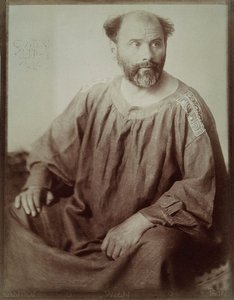
1862 - 1918 , Austria


Püsige kursis viimaste kunstiuudistega, eksklusiivsete pakkumistega ja sisustamisideetega.
Kirjeldage meile oma projekti ja meie kunstieksperdid pakuvad teile 3 isikupärast kunstiettepanekut.
Laske meil koostada just teile mõeldud 3 valikut – tasuta!


 Eelvaade
 Saada
Saada Jaga
Jaga
 Teave teose kohta

 Laadi alla
 Sarnased teosed
 Röntgenuuring
 Slaidietendus

 Loe lähemalt