x

 Tilaa painos Osta kuva
 Jaa
Jaa
 Tarkemmat tiedot
 Lisää suosikkeihin
 Lataa
Lataa
 Samanlaisia
 Röntgenkuva
 Diaesitys
Käsinmaalattu öljyväri kankaalle haluamassasi koossa ja kehyksissä, taiteilijoidemme valmistamana tilauksesta.





























Valitse valmiista mitoistamme sellaiset, jotka vastaavat teoksen alkuperäisiä mittasuhteita.

Voit syöttää omat mitat sopimaan tiettyyn kehykseen tai tilaan. Jos valitsemasi koko ei vastaa alkuperäisen kuvan mittasuhteita, rajaamme taideteoksen tai jatkamme maalausta käsin maalatuilla elementeillä. Digitaalinen esikatselu lähetetään hyväksyttäväksi ennen tuotannon aloittamista.
Huomioithan, että näytöllä oleva esikatselu ei vastaa todellista rajausta tai jatkamista. Vain digitaalinen mallikuva näyttää lopullisen sommittelun tarkasti.
Vaikka mittatilaustyöt ovat mahdollisia, suosittelemme valitsemaan mitan ennalta määritetystä listasta alkuperäisten mittasuhteiden säilyttämiseksi.
Maailmanlaajuinen toimitus () 3–4 viikossa tavallisen 5 viikon sijaan. (18 heinäkuu). Laadusta ei tingitä.


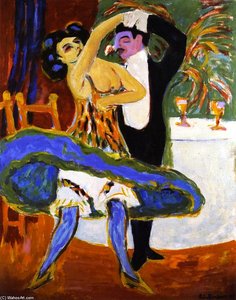
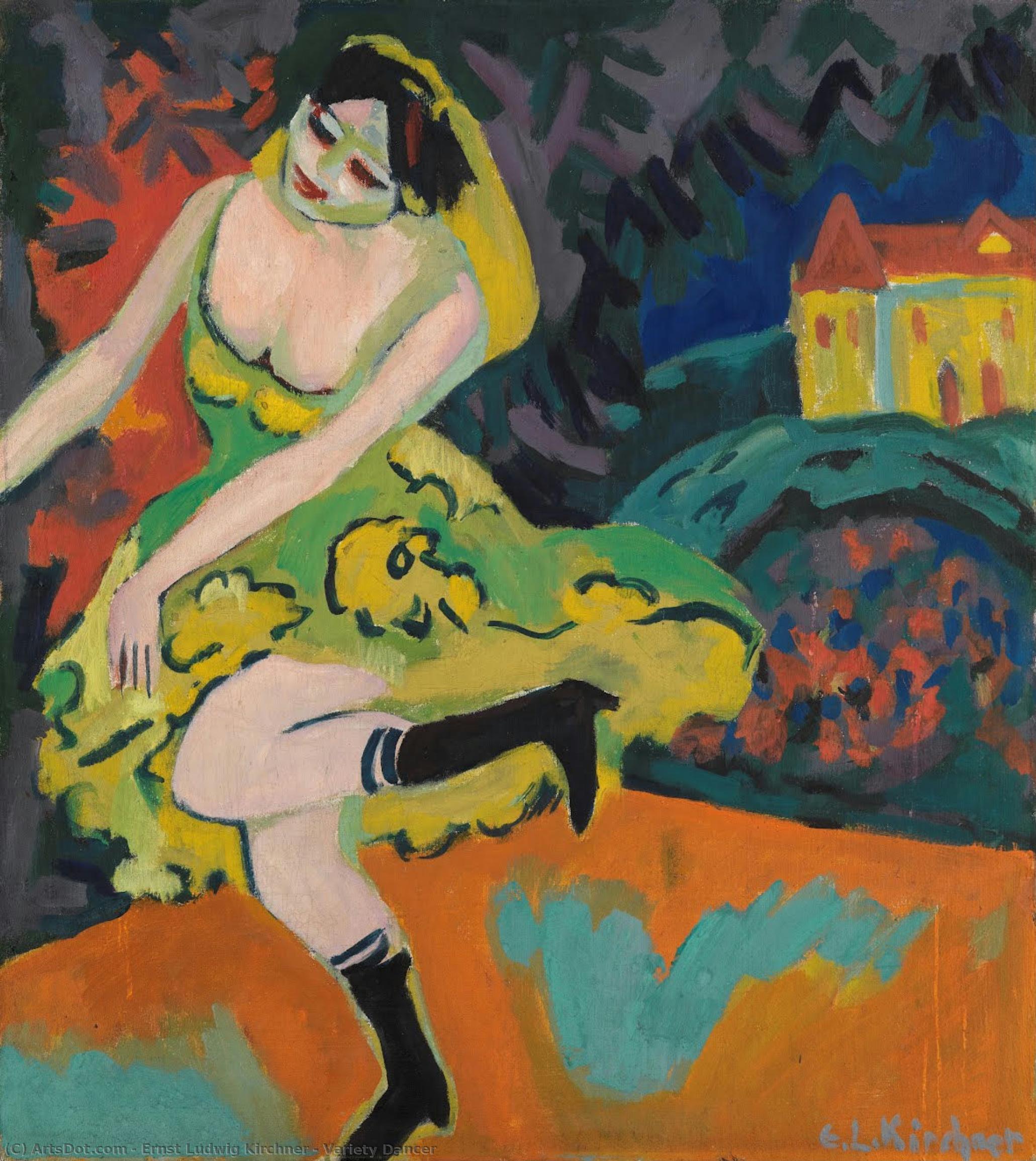
Variety Dancer
Replikaatin koko
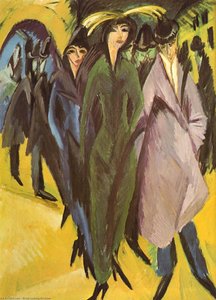
Ernst Ludwig Kirchner's 1913 painting, “Street, Berlin,” isn’t merely a depiction of a city street; it’s a visceral embodiment of the anxieties and alienation simmering beneath the surface of early 20th-century urban life. Painted during a period of immense social and political upheaval – just months before the outbreak of World War I – the work captures a moment of frenetic energy, yet simultaneously conveys a profound sense of isolation and disorientation. Kirchner, a key figure in the German Expressionist movement, sought to move beyond traditional representational art, aiming instead to express inner emotional states through bold color, distorted forms, and fragmented perspectives. “Street, Berlin” exemplifies this ambition, offering a glimpse into a world where individual identity is swallowed by the overwhelming mass of humanity.
Kirchner's approach to depicting reality was radically different from that of his predecessors. He deliberately distorted forms – faces are rendered as simplified masks, bodies are elongated and compressed – not for aesthetic reasons, but to amplify the emotional impact of the scene. The figures aren’t portraits; they’re embodiments of psychological states. Notice how the women in the foreground, bathed in a sickly yellow light, seem detached and preoccupied, their gazes averted. Their clothing—a vibrant purple dress juxtaposed against the muted tones of the surrounding men—hints at a subtle tension, a potential for connection amidst the chaos.
Technique: Kirchner utilized techniques characteristic of Expressionism: flattened perspective, exaggerated colors, and loose brushwork to create an immediate and emotionally charged response in the viewer. He prioritized conveying feeling over accurate representation, resulting in a powerfully subjective experience.Berlin in 1913 was a city undergoing rapid transformation – industrialization, immigration, and social unrest were reshaping its landscape and challenging traditional values. Kirchner’s “Street, Berlin” reflects this turbulent atmosphere. The painting can be interpreted as a commentary on the dehumanizing effects of urban life, where individuals are reduced to anonymous figures lost in the crowd. The painting was created during a period when German Expressionism was gaining momentum, reacting against the perceived superficiality and complacency of bourgeois society. Kirchner’s work, along with that of his fellow Brücke artists, sought to expose the darker side of modernity – its anxieties, alienation, and potential for violence.
The Brücke Group: Kirchner was a founding member of Die Brücke (The Bridge), an influential group of Expressionist painters who aimed to break away from academic traditions and explore new forms of artistic expression. The group’s name reflected their desire to connect the past with the present, drawing inspiration from both German Romanticism and contemporary avant-garde movements.Beyond its immediate depiction of a bustling street scene, “Street, Berlin” is rich in symbolic meaning. The overwhelming number of figures suggests a sense of anonymity and isolation – individuals lost within the collective. The fragmented composition mirrors the fractured state of modern identity, where traditional values are being eroded by the forces of industrialization and urbanization. The painting’s unsettling atmosphere evokes a feeling of unease and foreboding, hinting at the impending doom that would engulf Europe in World War I. It's a powerful meditation on the human condition in an age of rapid change and profound uncertainty.

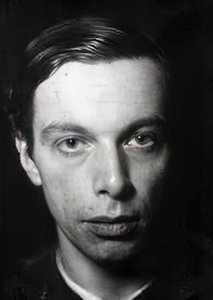
1880 - 1938 , Saksa

Tutustu Metropolitan Museum of Artin 25 kuuluisimpaan teokseen! Uppoudu impressionismin, renessanssin ja modernin taiteen maailmaan. Löydä mestariteoksia Monétista Van Goghiin ja inspiroidu kodin sisustukseen Most-Famous-Paintings.comissa. Tutki kokoelma verkossa!

Tutustu Sir Alfred James Munningsin 25 lumoavinta mestariteosta! Uppoudu brittiläisen maalaisidyllin ja hevosmaalausten maailmaan. Löydä inspiraatiota kotiisi Most-Famous-Paintings.com:ista – taideprintit museolaadulla.
Tutustu Egon Schielen 25 vaikuttavinta teosta! Uppoudu ekspressionismin maailmaan, ihmiskuvauksen syvyyteen ja tunteelliseen taiteeseen. Löydä inspiraatiota sisustukseen ja korkealaatuiset taideprintit Most-Famous-Paintings.com-sivustolta. Tutki kokoelma verkossa!
Tutustu National Galleryn 25 ikonista mestariteosta! Cézannen, Picasson ja Matissen tarinat sekä inspiraatiota kodin sisustukseen. Laadukkaat taideprintit Most-Famous-Paintingsilta – löydä suosikkisi nyt!

Tutustu Claude Monet'n 25 mestariteokseen! Uppoudu impressionismin maailmaan, vesililyistä Rouenin katedraaliin. Löydä taideprintit ja inspiraatiota sisustukseesi Most-Famous-Paintings.comista. Tutki kokoelma verkossa!


Pysy ajan tasalla uusimmista taideuutisista, eksklusiivisista tarjouksista ja sisustusideoista.
Kerro meille projektistasi, niin taideasiantuntijamme tarjoavat sinulle kolme henkilökohtaista taidesuositusta.
Anna meidän kuratoida 3 vaihtoehtoa juuri sinulle – Ilmaiseksi!


 Jaa
Jaa


 Näytä lisää







 Lasivaihtoehto on saatavilla vain alle 110 cm kokoisina teoksina