


x

Osta korkearesoluutioinen, parannettu digitaalikuva, joka on laadultaan huomattavasti parempi kuin verkkosivuston esikatselu.
Jokainen tiedosto valmistellaan huolellisesti omien asiantuntijoidemme toimesta käyttäen edistyneitä työkaluja ja ammattitaitoista manuaalista retusointia. Varmistamme, että jokaisessa kuvassa on poikkeuksellinen selkeys, tarkka värintoisto ja hienovaraiset yksityiskohdat.
Lopputiedosto toimitetaan sähköpostitse 72 tunnin kuluessa, ja se on optimoitu välittömään käyttöön ammattimaisissa, toimituksellisissa ja painoympäristöissä. Laatu on sama, johon huipputason suunnittelustudiot, kustantajat ja galleriat luottavat.
Lataa korkearesoluutioinen tiedosto henkilökohtaiseen näyttelyyn, tulostamiseen ja luoviin projekteihin. ( Osta printti Osta käsintehty maalaus)
Kun valitset Most-Famous-Paintings.com-palvelun, et saa vain kuvaa – saat ammattimaisesti parannetun digitaalisen taideteoksen, joka on luotu tarkkuudella ja jonka takaa tulee tyytyväisyystakuu. Tässä on kaikki, mitä tilauksesi sisältää, automaattisesti:

Korkearesoluutioinen digitaalinen kuvatiedostosi lähetetään sähköpostiisi 72 tunnin kuluessa tilauksesta – valmiina käytettäväksi välittömästi.

Taiteilijasi teos on optimoitu ammattimaisesti edistyneiden tekoälytyökalujen ja manuaalisen muokkauksen avulla, mikä takaa maksimaalisen yksityiskohtaisuuden, selkeyden ja väritarkkuuden.

Oletko vahingossa poistanut tai kadottanut tiedostosi? Ei hätää – lähetämme sen sinulle uudelleen milloin tahansa täysin maksutta.

Nauti taiteestasi välittömästi ilman tulleja, veroja tai toimitusmaksuja – digitaaliset lataukset ovat aina verovapaita.

Varmistamme, että digitaalinen kuvasi vastaa alkuperäisiä värejä mahdollisimman tarkasti käyttämällä ammattilaistason työkaluja ja värinhallintaa.

Jos et ole tyytyväinen digitaaliseen kuvaasi, muokkaamme sitä tai palautamme 100% takaisin 60 päivän kuluessa – ilman kysymyksiä.

Etkö ole tyytyväinen? Saat täyden hyvityksen 60 päivän kuluessa digitaalisen tiedostosi vastaanottamisesta – ilman kyselyitä.

Osta 3 kuvaa, säästä 10% - Osta 5, säästä 15% - Osta 10+, säästä 20%. Erinomainen valinta luoviin projekteihin, gallerioille ja toimistoille.
Ernst Ludwig Kirchner's 1913 painting, “Street, Berlin,” isn’t merely a depiction of a city street; it’s a visceral embodiment of the anxieties and alienation simmering beneath the surface of early 20th-century urban life. Painted during a period of immense social and political upheaval – just months before the outbreak of World War I – the work captures a moment of frenetic energy, yet simultaneously conveys a profound sense of isolation and disorientation. Kirchner, a key figure in the German Expressionist movement, sought to move beyond traditional representational art, aiming instead to express inner emotional states through bold color, distorted forms, and fragmented perspectives. “Street, Berlin” exemplifies this ambition, offering a glimpse into a world where individual identity is swallowed by the overwhelming mass of humanity.
Kirchner's approach to depicting reality was radically different from that of his predecessors. He deliberately distorted forms – faces are rendered as simplified masks, bodies are elongated and compressed – not for aesthetic reasons, but to amplify the emotional impact of the scene. The figures aren’t portraits; they’re embodiments of psychological states. Notice how the women in the foreground, bathed in a sickly yellow light, seem detached and preoccupied, their gazes averted. Their clothing—a vibrant purple dress juxtaposed against the muted tones of the surrounding men—hints at a subtle tension, a potential for connection amidst the chaos.
Technique: Kirchner utilized techniques characteristic of Expressionism: flattened perspective, exaggerated colors, and loose brushwork to create an immediate and emotionally charged response in the viewer. He prioritized conveying feeling over accurate representation, resulting in a powerfully subjective experience.Berlin in 1913 was a city undergoing rapid transformation – industrialization, immigration, and social unrest were reshaping its landscape and challenging traditional values. Kirchner’s “Street, Berlin” reflects this turbulent atmosphere. The painting can be interpreted as a commentary on the dehumanizing effects of urban life, where individuals are reduced to anonymous figures lost in the crowd. The painting was created during a period when German Expressionism was gaining momentum, reacting against the perceived superficiality and complacency of bourgeois society. Kirchner’s work, along with that of his fellow Brücke artists, sought to expose the darker side of modernity – its anxieties, alienation, and potential for violence.
The Brücke Group: Kirchner was a founding member of Die Brücke (The Bridge), an influential group of Expressionist painters who aimed to break away from academic traditions and explore new forms of artistic expression. The group’s name reflected their desire to connect the past with the present, drawing inspiration from both German Romanticism and contemporary avant-garde movements.Beyond its immediate depiction of a bustling street scene, “Street, Berlin” is rich in symbolic meaning. The overwhelming number of figures suggests a sense of anonymity and isolation – individuals lost within the collective. The fragmented composition mirrors the fractured state of modern identity, where traditional values are being eroded by the forces of industrialization and urbanization. The painting’s unsettling atmosphere evokes a feeling of unease and foreboding, hinting at the impending doom that would engulf Europe in World War I. It's a powerful meditation on the human condition in an age of rapid change and profound uncertainty.

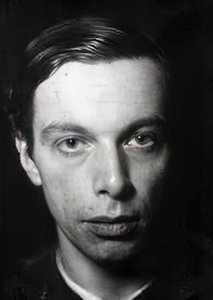
1880 - 1938 , Saksa


Pysy ajan tasalla uusimmista taideuutisista, eksklusiivisista tarjouksista ja sisustusideoista.
Kerro meille projektistasi, niin taideasiantuntijamme tarjoavat sinulle kolme henkilökohtaista taidesuositusta.
Anna meidän kuratoida 3 vaihtoehtoa juuri sinulle – Ilmaiseksi!


 Esikatselu
 Jaa
Jaa Jaa
Jaa
 Tarkemmat tiedot

 Lataa
Lataa
 Samanlaisia
 Röntgenkuva
 Diaesitys


 Näytä lisää


