x

 Ordina la riproduzione Acquista download
 Invia
Invia
 Dettagli opera
 Aggiungi ai preferiti
 Scarica
 Simili
 Radiografia
 Slideshow
Stampa giclée o su tela di qualità museale, con produzione rapida e diverse opzioni di finitura.





























Scegli tra le nostre dimensioni predefinite, che rispettano le proporzioni originali dell'opera d'arte.

È possibile inserire dimensioni personalizzate per adattare l'opera a una cornice o a uno spazio specifico. Se la dimensione selezionata non corrisponde alle proporzioni dell'immagine originale, procederemo al ritaglio dell'opera o all'estensione dell'immagine con un bordo specchiato o a tinta unita. Un mockup digitale ti verrà inviato per approvazione prima dell'inizio della produzione.
Si prega di notare che l'anteprima a schermo non riflette il ritaglio o l'estensione effettivi. Solo il mockup mostrerà accuratamente la composizione finale.
Sebbene siano disponibili dimensioni personalizzate, si raccomanda di selezionare una dimensione dall'elenco predefinito per preservare le proporzioni originali.
Consegna in tutto il mondo () in 2 settimane invece delle normali 4/5 settimane. (22 Luglio)


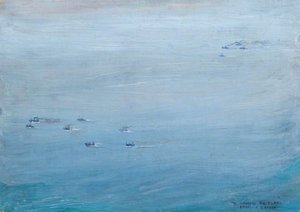
Leith
Dimensioni riproduzione
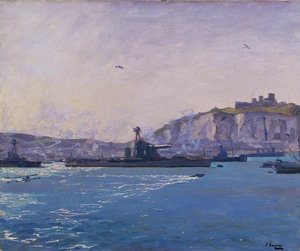
Sir John Lavery's "Leith," painted in 1917, is more than just a harbor scene; it’s a poignant snapshot of Britain during the tumultuous years of World War I. This oil-on-canvas work captures not only the bustling industrial activity of the port city but also an underlying sense of somberness and resilience – a feeling deeply embedded within the artwork's muted palette, atmospheric haze, and carefully constructed composition. Lavery, already a celebrated portraitist known for his ability to capture the spirit of Edwardian society, skillfully shifted his focus to document this pivotal moment in British history, offering us a rare glimpse into the realities faced by communities like Leith as they supported the war effort.
The painting’s composition immediately draws the eye towards the expansive water surface, occupying nearly two-thirds of the frame. This dominant element isn't merely decorative; it establishes a sense of depth and movement, mirroring the ceaseless activity within Leith’s harbor. A carefully arranged series of ships – both large vessels and smaller boats – anchors the middle ground, creating a visual pathway that guides the viewer through the scene. The foreground is grounded by machinery and docks, providing a tangible connection to the industrial heart of the port. Lavery's technique is distinctly Impressionistic; he employs loose brushstrokes, layering colors with remarkable subtlety to create soft transitions and an overall atmospheric effect. Visible impasto in certain areas – particularly within the foreground – adds texture and dynamism, hinting at the physicality of the scene while maintaining a sense of ethereal beauty.
The color palette is predominantly cool and muted—grays, blues, and greens dominate, reflecting the overcast skies typical of the era. These somber tones are punctuated by warmer hues in the hulls of the ships and within the foreground machinery, offering subtle points of visual interest and a hint of warmth amidst the prevailing gloom. Lavery masterfully uses light to evoke mood; the diffused illumination suggests a perpetual twilight, mirroring the anxieties and uncertainties of wartime. The high horizon line further enhances this sense of depth and distance, emphasizing the vastness of the water and sky. Beyond its aesthetic qualities, "Leith" subtly symbolizes the nation’s commitment to industry and defense – the ships represent naval power, while the machinery signifies the vital role of Leith in supplying the war effort. The overall effect is one of quiet determination.
Painted during 1917, “Leith” offers a valuable window into Britain’s wartime experience. Sir John Lavery's official war artist status meant he was tasked with documenting various aspects of the conflict, from naval operations to industrial production. This painting reflects his broader efforts to capture the spirit of the times – a period marked by both hardship and unwavering resolve. Lavery’s work during this era is particularly significant as it demonstrates his ability to move beyond traditional portraiture and engage with contemporary social issues. His artistic style, influenced by Whistler and rooted in Scottish Impressionism, allowed him to convey complex emotions and ideas through subtle color choices and atmospheric effects. Reproductions of “Leith” provide a tangible connection to this pivotal moment in British history, allowing us to appreciate Lavery’s skill as both an artist and a keen observer of his time.

Sir John Lavery RA è stato un pittore irlandese molto apprezzato, rinomato per i suoi ritratti affascinanti e le suggestive rappresentazioni di scene belliche. Nato a Belfast, dimostrò talento artistico fin da giovane, frequentando l'Accademia Haldane a Glasgow negli anni '70 dell'Ottocento prima di perfezionare ulteriormente le sue abilità all'Académie Julian a Parigi nei primi anni dell'Ottocento.
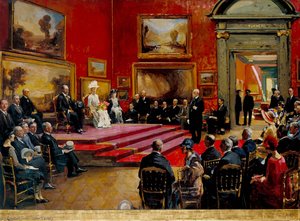
Tornato a Glasgow, Lavery si associò agli artisti della influente Glasgow School. Un momento cruciale arrivò nel 1888 quando ricevette l'incarico di dipingere la visita ufficiale della Regina Vittoria alla Esposizione Internazionale di Glasgow. Questo prestigioso incarico lanciò la sua carriera come ritrattista richiesto dalla società, spingendolo a trasferirsi a Londra poco dopo.
Come William Orpen, Lavery fu nominato artista ufficiale durante la Prima Guerra Mondiale. Tuttavia, persistenti problemi di salute e un grave incidente automobilistico causato da un raid di Zeppelin gli impedirono di servire sul fronte occidentale. Invece, si concentrò sulla documentazione di scene belliche all'interno della Gran Bretagna, catturando barche, aeroplani e dirigibili.
Dopo la guerra, Lavery fu nominato cavaliere ed eletto alla Royal Academy nel 1921. La sua vita personale si intrecciò con eventi storici significativi; lui e sua moglie, Hazel, svolsero un ruolo discreto nella Guerra d'Indipendenza irlandese e nella Guerra Civile, fornendo la loro casa di Londra per i negoziatori irlandesi. Immortalizzò Michael Collins con il suo dipinto "Michael Collins, Love of Ireland," ora ospitato alla Hugh Lane Municipal Gallery.
Lo stile artistico di Lavery mescolava elementi dell'Impressionismo con un occhio attento a catturare personalità e atmosfera. I suoi ritratti sono celebrati per il loro realismo, eleganza e la perspicace rappresentazione del carattere. Era anche abile nel dipingere paesaggi e scene della vita quotidiana.
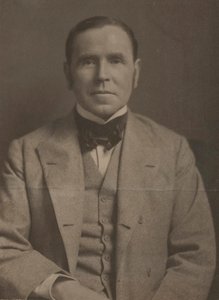
1856 - 1941 , Irlanda

Esplora i 10 capolavori dell'Impressionismo con Most-Famous-Paintings. Scopri Monet, Renoir e Degas: storia, tecnica e colori che hanno rivoluzionato l'arte. Stampe di alta qualità per la tua casa! Esplora la collezione online.

Explore the profound emotional depth & innovative techniques of Post-Impressionism with Most-Famous-Paintings. Discover Cézanne, Van Gogh, Gauguin & more – and their lasting impact on modern art.

Esplora l'evoluzione dell'Impressionismo e del Postimpressionismo con la nostra guida esperta. Scopri i maestri, le tecniche e l'influenza di questi movimenti artistici rivoluzionari.
Esplora la vita e l'opera di Sir John Lavery, maestro dell'Impressionismo scozzese. Scopri i suoi ritratti iconici, le influenze artistiche e il contributo all'arte britannica del XIX secolo.

Discover the captivating oil paintings of Peter Graham Li – a contemporary artist celebrated for his masterful use of light, color, and impasto technique. Explore investment potential & curated selections at Most-Famous-Paintings.


Rimani aggiornato sulle ultime novità dell'arte, sulle offerte esclusive e sulle idee di decorazione.
Raccontaci del tuo progetto e i nostri esperti d'arte ti proporranno 3 suggerimenti artistici personalizzati.
Lascia che ci pensiamo noi: 3 opzioni su misura per te – Gratis!


 Condividi


 Scopri di più







 L'opzione vetro è disponibile solo per dimensioni inferiori a 110 cm