x





























作品のオリジナル比率に合わせた、当店の規定サイズからお選びください。

特定のフレームやスペースに合わせて、ご希望のサイズをご入力いただけます。選択されたサイズが元の画像の比率と異なる場合、アートワークをトリミングするか、手描きで要素を追加して絵画を拡張いたします。デジタルモックアップ を制作し、制作開始前にご確認(承認)をいただきます。
画面上のプレビューは、実際のトリミングや拡張を正確に反映しているものではありません。最終的な構図は、モックアップによってのみ正確にご確認いただけます。
カスタムサイズもご利用いただけますが、元の比率を維持するためには、あらかじめ用意されたリストからサイズを選択することをお勧めいたします。

John
複製画のサイズ
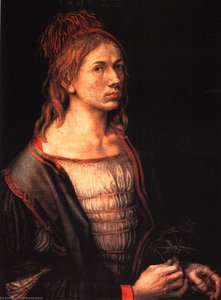
Albrecht Dürer’s ‘John,’ a monochrome drawing executed with the precision and profound understanding of human form that defined his career, offers a captivating glimpse into the heart of the Northern Renaissance. Dating from around 1500, this piece transcends a simple portrait; it is an intensely personal study, a meditation on stillness and reverence rendered in graphite or charcoal with breathtaking skill. The drawing’s power lies not just in its technical mastery – Dürer's meticulous attention to detail is immediately apparent – but also in the palpable sense of introspection that emanates from the figure himself. The plain background serves only to amplify the subject, forcing the viewer into a direct engagement with his pose and expression.
While ‘John’ lacks overt symbolic imagery – no religious iconography or allegorical figures are present – its very essence speaks to profound themes of contemplation and humility. The figure's posture, with his arms crossed and holding an object (likely a bowl) close to his chest, suggests a moment of quiet reflection, perhaps even reverence. This deliberate stillness invites the viewer to share in his internal state, fostering a sense of solemnity and introspection. Considering Dürer’s own deeply spiritual leanings and his frequent explorations of religious subjects, it's plausible that this drawing served as a personal devotional exercise, a means of connecting with something larger than himself.
‘John’ is firmly rooted in the artistic landscape of the Northern Renaissance, a period characterized by an unparalleled focus on realism and meticulous detail. Dürer was a pivotal figure in this movement, pushing the boundaries of drawing technique and anatomical accuracy. His work reflects the humanist ideals of the era – a renewed interest in classical antiquity combined with a deep appreciation for the natural world and the human form. Dürer’s influence extended far beyond his own time, shaping the course of artistic development for generations to come. This particular piece exemplifies the Northern Renaissance's emphasis on direct observation and skillful rendering, qualities that distinguish it from the more idealized styles prevalent in Italy at the time.


1471 - 1528 , ドイツ

Explore the profound history and technical mastery of woodcut relief printing. From ancient origins to German Expressionism, discover how artists use the subtractive process to create iconic works. A definitive guide for art students, collectors, and historians.

Explore the profound mastery of graphite pencil art. From the historical alchemy of carbon to advanced chiaroscuro techniques, learn to navigate grades and shadows like a master. Discover the precision and depth that define the world's most iconic drawings.

Unlock your creative potential with Most-Famous-Paintings. Learn how art students and creators can scale their business through premium oil reproductions, print-on-demand royalties, and global distribution of their artistic legacy.


最新の美術ニュース、限定オファー、そしてインテリアのアイデアをいち早くお届けします。
お客様のプロジェクトについてお聞かせください。当社の美術専門家が、お客様に合わせた3つのパーソナライズされた芸術提案をご提供いたします。
あなたにぴったりの3作品を無料で厳選いたします


 プレビュー
プレビュー
 プリントを購入
 シェアする
シェアする シェアする
シェアする
 詳細を見る
詳細を見る

 ダウンロード
 似ている作品
 X線調査
X線調査 スライドショー

 詳細を見る
詳細を見る









 ガラスオプションは、110cm未満のサイズでのみご利用いただけます。