x


迅速な制作と多彩な仕上げオプションを備えた、ミュージアムクオリティのジークレーまたはキャンバスプリント。 ( Switch to hand made Painting Switch to Image)





























作品のオリジナル比率に合わせた、当店の規定サイズからお選びください。

特定のフレームやスペースに合わせて、ご自身でサイズを指定することも可能です。選択されたサイズが元の画像の比率と一致しない場合、作品をトリミングするか、鏡面反射または単色での塗りつぶしによって画像を拡張いたします。制作を開始する前に、ご確認用のデジタルモックアップをお送りいたします。
画面上のプレビューには、実際のトリミングや拡張は反映されませんのでご注意ください。最終的な構図を正確に確認できるのは、モックアップのみとなります。
カスタムサイズも承っておりますが、元の比率を維持するためには、あらかじめ用意されたリストからサイズを選択することをお勧めいたします。

John
複製画のサイズ
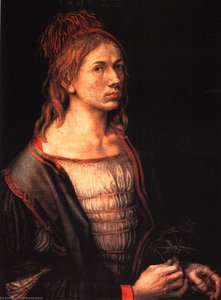
Albrecht Dürer’s ‘John,’ a monochrome drawing executed with the precision and profound understanding of human form that defined his career, offers a captivating glimpse into the heart of the Northern Renaissance. Dating from around 1500, this piece transcends a simple portrait; it is an intensely personal study, a meditation on stillness and reverence rendered in graphite or charcoal with breathtaking skill. The drawing’s power lies not just in its technical mastery – Dürer's meticulous attention to detail is immediately apparent – but also in the palpable sense of introspection that emanates from the figure himself. The plain background serves only to amplify the subject, forcing the viewer into a direct engagement with his pose and expression.
While ‘John’ lacks overt symbolic imagery – no religious iconography or allegorical figures are present – its very essence speaks to profound themes of contemplation and humility. The figure's posture, with his arms crossed and holding an object (likely a bowl) close to his chest, suggests a moment of quiet reflection, perhaps even reverence. This deliberate stillness invites the viewer to share in his internal state, fostering a sense of solemnity and introspection. Considering Dürer’s own deeply spiritual leanings and his frequent explorations of religious subjects, it's plausible that this drawing served as a personal devotional exercise, a means of connecting with something larger than himself.
‘John’ is firmly rooted in the artistic landscape of the Northern Renaissance, a period characterized by an unparalleled focus on realism and meticulous detail. Dürer was a pivotal figure in this movement, pushing the boundaries of drawing technique and anatomical accuracy. His work reflects the humanist ideals of the era – a renewed interest in classical antiquity combined with a deep appreciation for the natural world and the human form. Dürer’s influence extended far beyond his own time, shaping the course of artistic development for generations to come. This particular piece exemplifies the Northern Renaissance's emphasis on direct observation and skillful rendering, qualities that distinguish it from the more idealized styles prevalent in Italy at the time.

1471 - 1528 , ドイツ

Elevate your interiors with impactful statement walls! Expert guide on scaling artwork for perfect proportions & design harmony. Custom solutions & free consultations at Most-Famous-Paintings.

Explore the life & art of Albrecht Dürer, a pivotal German Renaissance master. Discover his groundbreaking printmaking techniques, iconic self-portraits, and lasting influence on Western art history. A deep dive into innovation & symbolism.

Journey through 10 legendary etching masterpieces by Rembrandt, Dürer & Goya. Explore the history of printmaking and discover timeless art for your home. Find museum-quality reproductions at Most-Famous-Paintings.com.

Most-Famous-Paintings.comでは、富裕層コレクター様向けに、完全カスタムの壁画・フレスコ画を承ります。スケール、設置、制作プロセスに関する疑問にお答えし、空間価値を高める最高品質のアートをご提供します。

レストランの空間を格上げするアート照明戦略。キアロスクーロの原則に基づき、メニュー効果や顧客体験を高める具体的なテクニックを紹介。成功事例と未来トレンドで、ブランドイメージ向上を実現します。


最新の美術ニュース、限定オファー、そしてインテリアのアイデアをいち早くお届けします。
お客様のプロジェクトについてお聞かせください。当社の美術専門家が、お客様に合わせた3つのパーソナライズされた芸術提案をご提供いたします。
あなたにぴったりの3作品を無料で厳選いたします


 Preview
 シェアする
シェアする シェアする
シェアする
 詳細を見る
詳細を見る

 ダウンロード
 似ている作品
 X線調査
X線調査 スライドショー

 詳細を見る
詳細を見る









 ガラスオプションは、110cm未満のサイズでのみご利用いただけます。