


x
 AcrylicWallArtCubist Abstraction
 1926
1926 65.0 x 46.0 cm
迅速な制作と多彩な仕上げオプションを備えた、ミュージアムクオリティのジークレーまたはキャンバスプリント。 ( 手描きの絵画を購入 画像を購入)





























作品のオリジナル比率に合わせた、当店の規定サイズからお選びください。

特定のフレームやスペースに合わせて、ご自身でサイズを指定することも可能です。選択されたサイズが元の画像の比率と一致しない場合、作品をトリミングするか、鏡面反射または単色での塗りつぶしによって画像を拡張いたします。制作を開始する前に、ご確認用のデジタルモックアップをお送りいたします。
画面上のプレビューには、実際のトリミングや拡張は反映されませんのでご注意ください。最終的な構図を正確に確認できるのは、モックアップのみとなります。
カスタムサイズも承っておりますが、元の比率を維持するためには、あらかじめ用意されたリストからサイズを選択することをお勧めいたします。

Painting
複製画のサイズ
Fernand Léger's 1926 work, simply titled 'Painting,' is a captivating and unsettling meditation on the burgeoning world of industrial modernity. This intimate canvas, measuring 65 x 46 cm, immediately draws the viewer into a carefully constructed tableau – a collision of domestic objects and human figures that speaks volumes about the anxieties and aspirations of the interwar period. The composition itself feels deliberately fragmented, mirroring the sense of dislocation experienced as traditional ways of life were irrevocably altered by technological advancement. Léger wasn't simply depicting machinery; he was attempting to capture its *spirit*, a restless energy that permeated every aspect of urban existence.
Léger's style is firmly rooted in the principles of Cubism, but he pushed beyond its purely analytical concerns. While Picasso and Braque sought to dissect objects into geometric forms, Léger embraced a more constructive approach, integrating these fractured elements back together to represent not just form, but also movement and energy. The bold, angular shapes – particularly evident in the tools themselves – evoke the sharp lines of industrial machinery, reflecting Léger’s fascination with the dynamism of the machine age. Notice how he avoids smooth transitions; instead, he favors abrupt shifts in tone and texture, further amplifying the sense of disruption.
The clock, subtly placed on the left side, adds another layer of complexity. It's not merely a decorative element but a potent symbol of time – a relentless force accelerating towards an uncertain future. This detail underscores Léger’s concern with the impact of modernity on human experience and the potential for alienation within a rapidly changing world.
The two figures, positioned at opposite ends of the canvas, are equally enigmatic. Their anonymity suggests that they represent humanity as a whole – individuals caught in the currents of industrialization. Their postures, though not overtly expressive, convey a sense of quiet contemplation or perhaps even apprehension. The overall effect is one of unease and disorientation, reflecting the anxieties of a society grappling with profound social and technological shifts.
Léger’s use of color – primarily muted tones punctuated by flashes of brighter hues – contributes to this emotional impact. The cool blues and grays evoke a sense of distance and detachment, while the occasional bursts of red or yellow inject moments of intensity and urgency. This careful manipulation of color further enhances the painting's symbolic weight.
Created in 1926, ‘Painting’ exemplifies Léger’s pivotal role in shaping modern art. His work bridged the gap between abstraction and representation, offering a uniquely insightful commentary on the challenges and possibilities of modernity. This hand-painted reproduction captures not only the visual details of the original but also the profound emotional and intellectual depth that makes it such a compelling masterpiece. It's a piece that invites contemplation – a reminder of our relationship with technology, time, and the ever-evolving nature of reality.

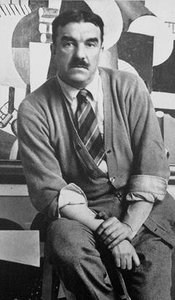
1881 - 1955 , フランス

Explore the profound impact of Minimalism and Geometric Abstraction. From Mondrian to Malevich, discover how stripping art to its essential forms revolutionized modern aesthetics through our expert-led historical guide.


最新の美術ニュース、限定オファー、そしてインテリアのアイデアをいち早くお届けします。
お客様のプロジェクトについてお聞かせください。当社の美術専門家が、お客様に合わせた3つのパーソナライズされた芸術提案をご提供いたします。
あなたにぴったりの3作品を無料で厳選いたします


 プレビュー
プレビュー
 シェアする
シェアする シェアする
シェアする
 詳細を見る
詳細を見る

 ダウンロード
 似ている作品
 X線調査
X線調査 スライドショー
 詳細を見る
詳細を見る









 ガラスオプションは、110cm未満のサイズでのみご利用いただけます。


