


x





























作品のオリジナル比率に合わせた、当店の規定サイズからお選びください。

特定のフレームやスペースに合わせて、ご希望のサイズをご入力いただけます。選択されたサイズが元の画像の比率と異なる場合、アートワークをトリミングするか、手描きで要素を追加して絵画を拡張いたします。デジタルモックアップ を制作し、制作開始前にご確認(承認)をいただきます。
画面上のプレビューは、実際のトリミングや拡張を正確に反映しているものではありません。最終的な構図は、モックアップによってのみ正確にご確認いただけます。
カスタムサイズもご利用いただけますが、元の比率を維持するためには、あらかじめ用意されたリストからサイズを選択することをお勧めいたします。

The Pear Tree
複製画のサイズ
Gustav Klimt’s “The Pear Tree,” completed in 1903, stands as one of the artist's most celebrated landscapes—and arguably his most poignant exploration of themes surrounding femininity, spirituality, and the cyclical nature of life. More than just a depiction of fruit trees laden with blossoms and ripening pears, it embodies Klimt’s signature blend of Art Nouveau elegance and Byzantine mosaic influence, capturing a moment suspended between decay and renewal.
Originally commissioned by Viktor Zuckerkandl, an industrialist and avid art collector, Klimt envisioned this painting as part of a larger series intended for Zuckerkandl's opulent villa. The artwork’s immediate impact was considerable; critics initially condemned it for perceived vulgarity and lack of artistic merit—a reaction that underscored the anxieties surrounding Klimt’s bold stylistic choices and his willingness to challenge conventional aesthetic standards.
Klimt's artistic journey began in Vienna, where he honed his skills at the Kunstgewerbeschule alongside fellow artists like Franz von Matsch. Influenced by Symbolist painters such as Edvard Munch and James Abbott McNeill Whistler, Klimt swiftly developed a distinctive visual language characterized by flattened perspectives, stylized figures, and opulent ornamentation—elements that would define his oeuvre for decades to come.
The painting’s genesis coincided with the burgeoning Secession movement in Vienna, spearheaded by Klimt himself. Rejecting the conservative academic tradition, Secession artists sought inspiration from Byzantine mosaics and Japanese prints, aiming to forge a new artistic idiom rooted in decorative art and psychological introspection. “The Pear Tree” exemplifies this ethos perfectly—a deliberate departure from realism toward an expressive rendering of natural beauty imbued with symbolic significance.
Klimt’s masterful technique is immediately apparent upon viewing the canvas. Employing oil paint on canvas, he achieved remarkable textural depth through meticulous layering and glazing – a process that allowed him to capture the subtle nuances of light and shadow within the foliage and blossoms. The artist's use of color—primarily muted greens and blues contrasted with warm yellows and oranges—creates an atmosphere of serene contemplation.
However, Klimt’s most striking innovation lies in his stylistic approach. He eschewed traditional perspective, flattening the landscape into a shallow plane reminiscent of Byzantine mosaics—a technique that prioritized visual impact over accurate representation. The pear tree itself is rendered with meticulous detail, each leaf and blossom painstakingly delineated to convey an impression of vibrant life.
"The Pear Tree" transcends mere botanical depiction; it operates on multiple symbolic levels. The pear tree represents fertility, abundance, and the promise of regeneration—themes central to Klimt’s broader artistic concerns regarding mortality and rebirth. The blossoms symbolize purity and innocence, while the ripening pears signify maturity and fulfillment.
Furthermore, Klimt's deliberate use of color contributes significantly to the painting’s emotional impact. The dominant hues evoke feelings of tranquility and contemplation—yet beneath the surface lies an unspoken tension reflecting the artist’s preoccupation with psychological complexity. “The Pear Tree” invites viewers to contemplate not only the beauty of nature but also the profound mysteries of human existence.
“The Pear Tree” cemented Klimt's reputation as a visionary artist and profoundly influenced subsequent generations of painters who sought to explore themes of sexuality, spirituality, and decorative art. Its stylistic boldness—particularly its flattened perspective and mosaic-inspired technique—served as inspiration for artists across Europe.
Today, “The Pear Tree” remains a beloved masterpiece within the canon of modern art—a testament to Klimt’s unparalleled ability to transform visual observation into emotionally resonant symbolism. It continues to captivate audiences with its ethereal beauty and enduring contemplation on life's cyclical journey.

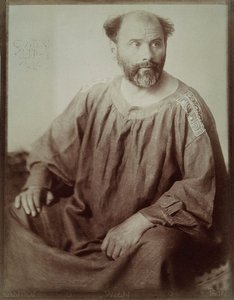
1862 - 1918 , オーストリア

Explore the profound impact of the Vienna Secession movement. Discover how visionaries like Gustav Klimt revolutionized modern art through symbolism, gold leaf, and the concept of Gesamtkunstwerk in this expert-led historical guide.


最新の美術ニュース、限定オファー、そしてインテリアのアイデアをいち早くお届けします。
お客様のプロジェクトについてお聞かせください。当社の美術専門家が、お客様に合わせた3つのパーソナライズされた芸術提案をご提供いたします。
あなたにぴったりの3作品を無料で厳選いたします


 プレビュー
プレビュー
 プリントを購入
 シェアする
シェアする シェアする
シェアする
 詳細を見る
詳細を見る

 ダウンロード
 似ている作品
 X線調査
X線調査 スライドショー

 詳細を見る
詳細を見る









 ガラスオプションは、110cm未満のサイズでのみご利用いただけます。


