


x
オンラインプレビューをはるかに凌ぐ、高解像度で鮮明なデジタル画像をご購入いただけます。
各ファイルは、社内の専門家が高度なツールと熟練した手作業によるレタッチを用いて、細心の注意を払って準備されています。すべての画像において、卓越した鮮明度、正確な色彩再現性、そして繊細なディテールを保証いたします。
最終ファイルは、プロフェッショナルな編集・印刷環境ですぐにご利用いただけるよう最適化された状態で、72時間以内にメールにてお届けいたします。これは、一流のデザインスタジオ、出版社、ギャラリーから信頼されているものと同等の品質です。
Most-Famous-Paintings.com を選ぶことは、単に画像を手に入れることではありません。それは、プロの手によって精密に仕上げられ、満足保証が付いた高品質なデジタルアートワークを受け取ることを意味します。ご注文いただいた際に自動的に付随する内容は、以下の通りです:

ご注文から72時間以内に、高解像度のデジタル画像ファイルがメールでお手元に届きます。すぐにそのままご利用いただけます。

お客様の作品は、高度なAIツールと専門家による手作業の編集を組み合わせてプロフェッショナルに最適化されており、細部のディテール、鮮明さ、そして正確な色再現性を最大限に引き出しています。

ファイルを誤って削除したり、紛失してしまったりしましたか?ご安心ください。いつでも無料で再送いたします。

関税や手数料、配送料を気にすることなく、お気に入りのアートワークをすぐにお楽しみいただけます。デジタルダウンロードは常に免税です。

プロ仕様のツールとカラーマネジメント技術を用いることで、デジタル画像が元の色を最大限に忠実に再現することを保証いたします。

ご購入いただいたデジタル画像にご満足いただけない場合は、60日以内であれば、修正または100%の返金(理由を問う必要はありません)をさせていただきます。

ご満足いただけない場合は、デジタルファイルを受け取ってから60日以内であれば、理由を問わず全額返金いたします。

3枚購入で10%OFF - 5枚購入で15%OFF - 10枚以上購入で20%OFF。クリエイティブなプロジェクト、ギャラリー、エージェンシーに最適です。
Gustav Klimt’s “The Pear Tree,” completed in 1903, stands as one of the artist's most celebrated landscapes—and arguably his most poignant exploration of themes surrounding femininity, spirituality, and the cyclical nature of life. More than just a depiction of fruit trees laden with blossoms and ripening pears, it embodies Klimt’s signature blend of Art Nouveau elegance and Byzantine mosaic influence, capturing a moment suspended between decay and renewal.
Originally commissioned by Viktor Zuckerkandl, an industrialist and avid art collector, Klimt envisioned this painting as part of a larger series intended for Zuckerkandl's opulent villa. The artwork’s immediate impact was considerable; critics initially condemned it for perceived vulgarity and lack of artistic merit—a reaction that underscored the anxieties surrounding Klimt’s bold stylistic choices and his willingness to challenge conventional aesthetic standards.
Klimt's artistic journey began in Vienna, where he honed his skills at the Kunstgewerbeschule alongside fellow artists like Franz von Matsch. Influenced by Symbolist painters such as Edvard Munch and James Abbott McNeill Whistler, Klimt swiftly developed a distinctive visual language characterized by flattened perspectives, stylized figures, and opulent ornamentation—elements that would define his oeuvre for decades to come.
The painting’s genesis coincided with the burgeoning Secession movement in Vienna, spearheaded by Klimt himself. Rejecting the conservative academic tradition, Secession artists sought inspiration from Byzantine mosaics and Japanese prints, aiming to forge a new artistic idiom rooted in decorative art and psychological introspection. “The Pear Tree” exemplifies this ethos perfectly—a deliberate departure from realism toward an expressive rendering of natural beauty imbued with symbolic significance.
Klimt’s masterful technique is immediately apparent upon viewing the canvas. Employing oil paint on canvas, he achieved remarkable textural depth through meticulous layering and glazing – a process that allowed him to capture the subtle nuances of light and shadow within the foliage and blossoms. The artist's use of color—primarily muted greens and blues contrasted with warm yellows and oranges—creates an atmosphere of serene contemplation.
However, Klimt’s most striking innovation lies in his stylistic approach. He eschewed traditional perspective, flattening the landscape into a shallow plane reminiscent of Byzantine mosaics—a technique that prioritized visual impact over accurate representation. The pear tree itself is rendered with meticulous detail, each leaf and blossom painstakingly delineated to convey an impression of vibrant life.
"The Pear Tree" transcends mere botanical depiction; it operates on multiple symbolic levels. The pear tree represents fertility, abundance, and the promise of regeneration—themes central to Klimt’s broader artistic concerns regarding mortality and rebirth. The blossoms symbolize purity and innocence, while the ripening pears signify maturity and fulfillment.
Furthermore, Klimt's deliberate use of color contributes significantly to the painting’s emotional impact. The dominant hues evoke feelings of tranquility and contemplation—yet beneath the surface lies an unspoken tension reflecting the artist’s preoccupation with psychological complexity. “The Pear Tree” invites viewers to contemplate not only the beauty of nature but also the profound mysteries of human existence.
“The Pear Tree” cemented Klimt's reputation as a visionary artist and profoundly influenced subsequent generations of painters who sought to explore themes of sexuality, spirituality, and decorative art. Its stylistic boldness—particularly its flattened perspective and mosaic-inspired technique—served as inspiration for artists across Europe.
Today, “The Pear Tree” remains a beloved masterpiece within the canon of modern art—a testament to Klimt’s unparalleled ability to transform visual observation into emotionally resonant symbolism. It continues to captivate audiences with its ethereal beauty and enduring contemplation on life's cyclical journey.

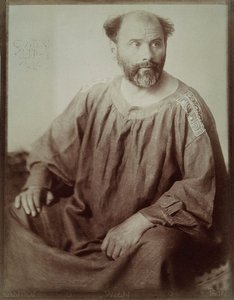
1862 - 1918 , オーストリア


最新の美術ニュース、限定オファー、そしてインテリアのアイデアをいち早くお届けします。
お客様のプロジェクトについてお聞かせください。当社の美術専門家が、お客様に合わせた3つのパーソナライズされた芸術提案をご提供いたします。
あなたにぴったりの3作品を無料で厳選いたします


 プレビュー
プレビュー
 プリントを購入
 シェアする
シェアする シェアする
シェアする
 詳細を見る
詳細を見る

 ダウンロード
 似ている作品
 X線調査
X線調査 スライドショー

 詳細を見る
詳細を見る


